
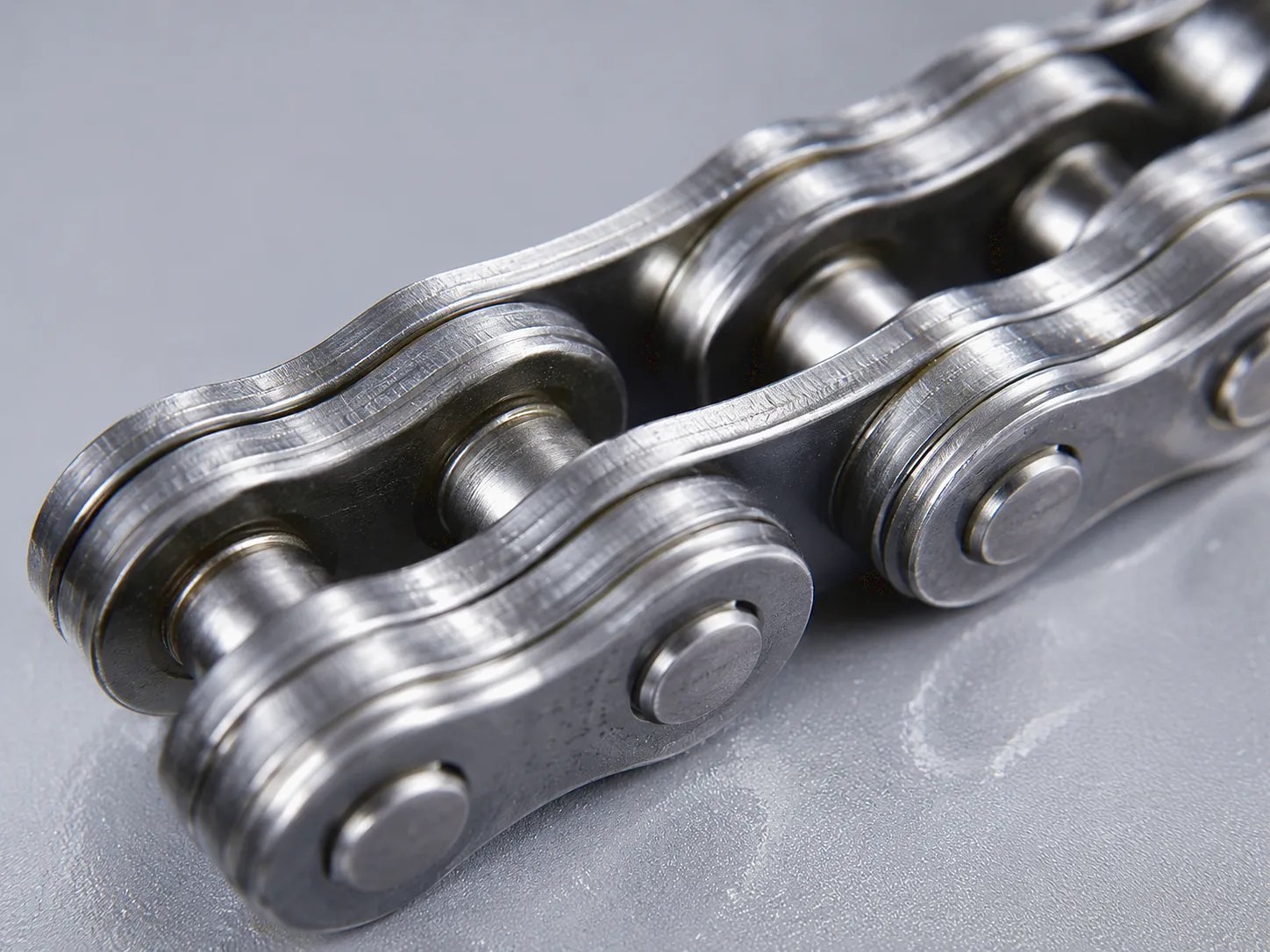
What Exactly Is a Leaf Chain, and Why Does It Matter in an Excavator?
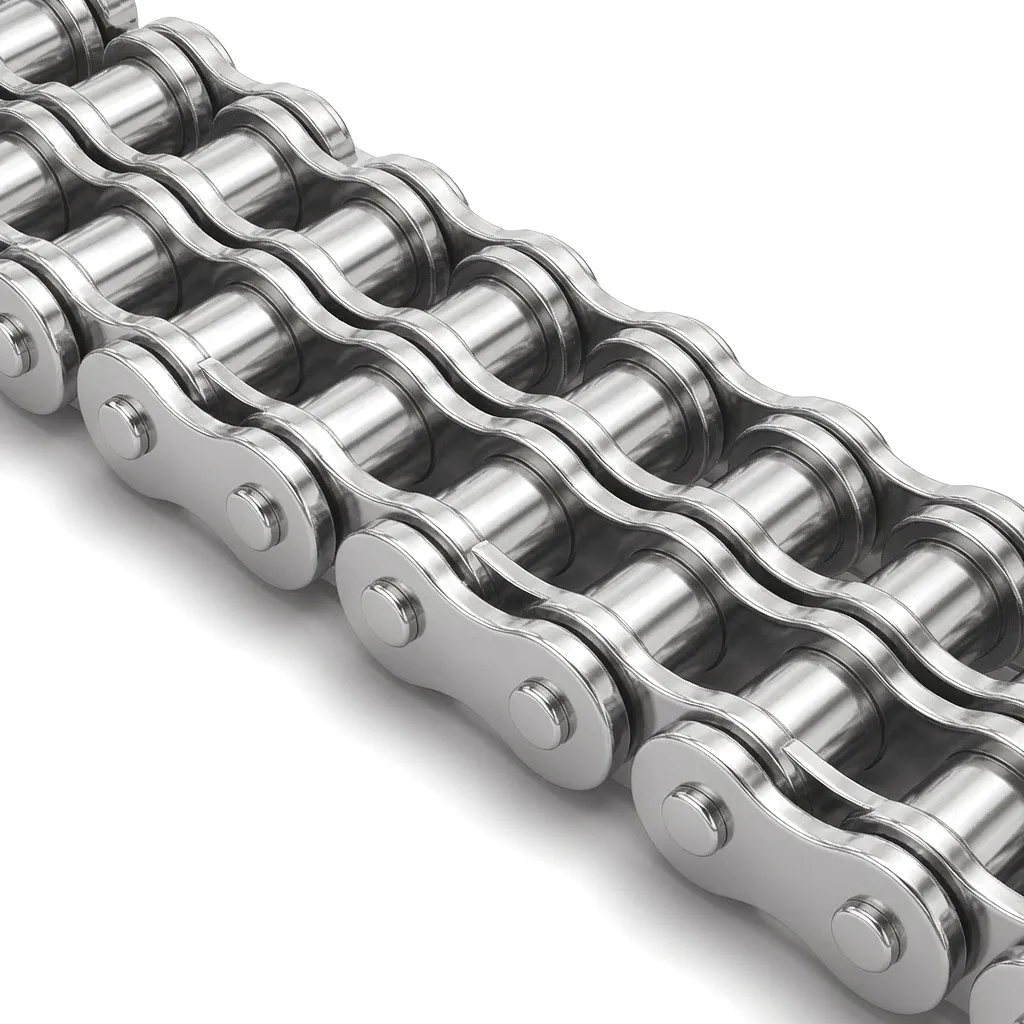
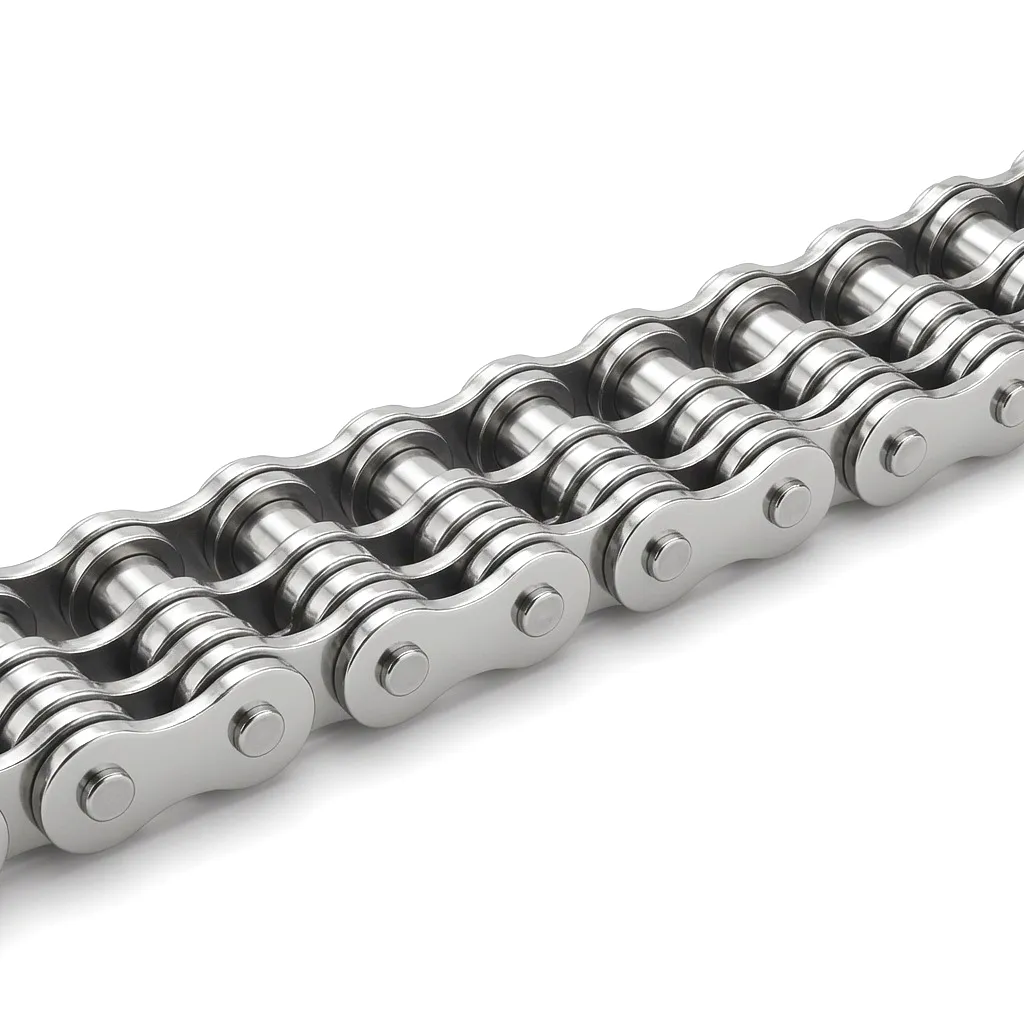
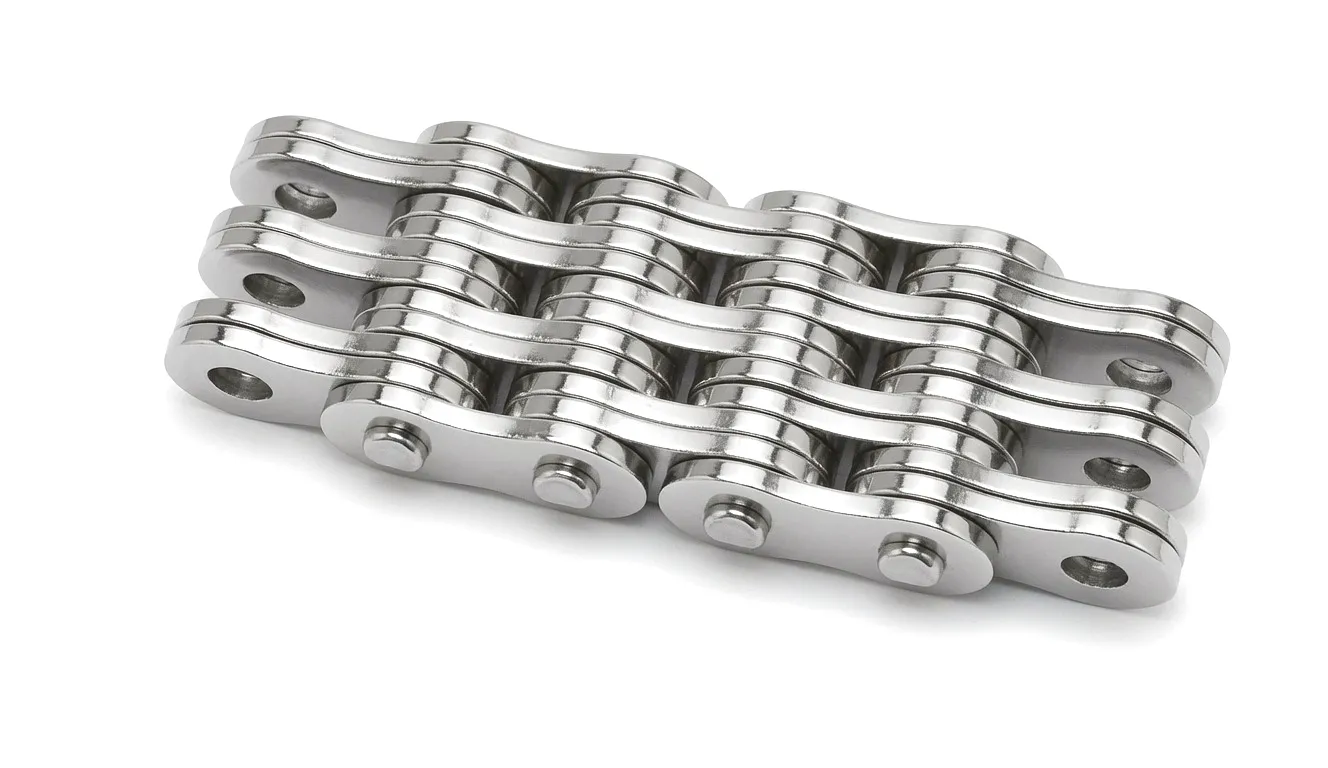
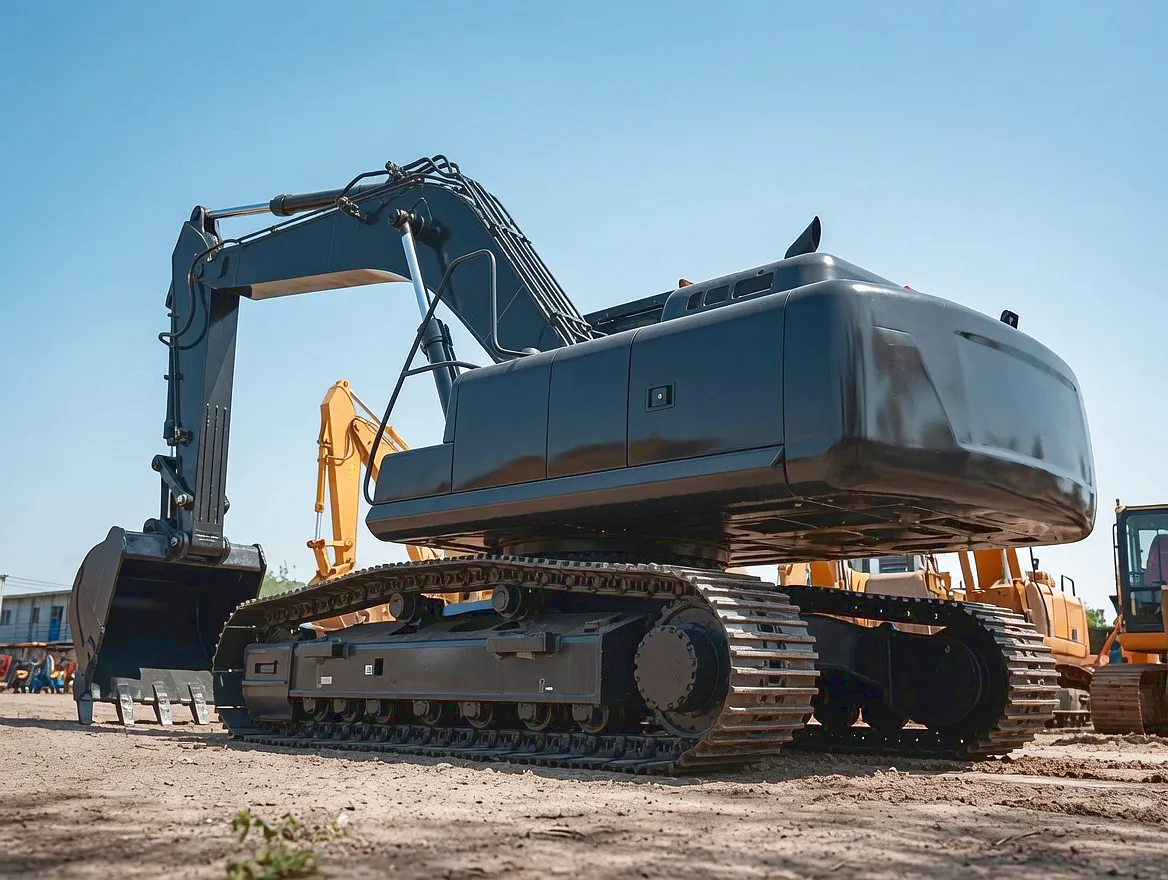 A leaf chain — sometimes called a lacing chain or flat-link chain — is a type of roller-free, pin-and-plate power transmission chain designed exclusively for tension and lifting loads rather than sprocket-driven power transmission. Unlike roller chains, leaf chains carry no rollers; instead, they consist entirely of interleaved steel link plates pinned together in a specific lacing pattern, creating an exceptionally high strength-to-weight ratio that makes them indispensable in heavy-duty vertical and lateral load scenarios.
In an excavator, the hydraulic boom, dipper arm, and bucket attachment assembly depend on carefully engineered tension members to synchronise movement and maintain positional control under loads that can easily exceed several tonnes. The leaf chain acts as the critical mechanical link between the hydraulic cylinder’s linear force and the mechanical linkage that converts that force into rotational bucket motion or boom elevation. Without a correctly specified leaf chain, even a well-maintained hydraulic excavator becomes a liability — particularly on UK construction sites where Health and Safety Executive regulations demand fully traceable, load-rated mechanical components.
The leaf chain’s design inherently resists side-load bending stresses, which occur constantly in excavator applications when the machine slews while a load is suspended. The flat-plate construction distributes tensile stress across a broad surface area, preventing the fatigue cracking that would otherwise develop in a conventional roller chain under the same cyclic loading patterns typical of excavator work cycles.
How Leaf Chain Works Inside an Excavator Hydraulic System
Tensile Load Path
When the hydraulic cylinder extends or retracts, the leaf chain transmits the tensile force directly to the boom or bucket linkage. Each link plate is heat-treated alloy steel, carefully sized to carry a proportional share of the total load. The lacing pattern — typically BL series (2×2, 3×3, 4×4, etc.) — determines how many plates are stacked per link, and therefore how much total tensile capacity the assembly carries at any given cross-section. For 20-tonne class excavators common in UK civil engineering, this specification process is not optional; it is a safety-critical design decision that must be validated against both static and dynamic load envelopes.
Sheave and Anchor Interface
Unlike wire rope, the leaf chain connects via fork-end anchors and clevis pins, providing a mechanically positive, non-slipping load path. This is particularly important in excavator tilt-cylinder circuits, where the bucket must hold a precise angle while digging through compacted urban soils or demolition rubble — both common conditions in regeneration projects across Manchester, Birmingham, and the Thames Estuary corridor. The anchor pins must be made from matching high-strength steel, and the bore tolerances held to within fractions of a millimetre to prevent fretting fatigue at the connection interface.
Elongation and Wear Monitoring
One underappreciated advantage of leaf chain over wire rope in excavator applications is that elongation is visible and measurable. As the chain wears, the pin-plate contact zones elongate in a predictable, linear fashion. Maintenance engineers can use a simple pitch-length measurement against the original as-new specification to determine whether the chain has reached its wear-limit threshold. Industry guidance typically recommends chain replacement when elongation exceeds 2% of the nominal pitch length, a standard that experienced UK plant fleet managers have long built into their PPM schedules to avoid unplanned downtime on high-value excavator contracts.
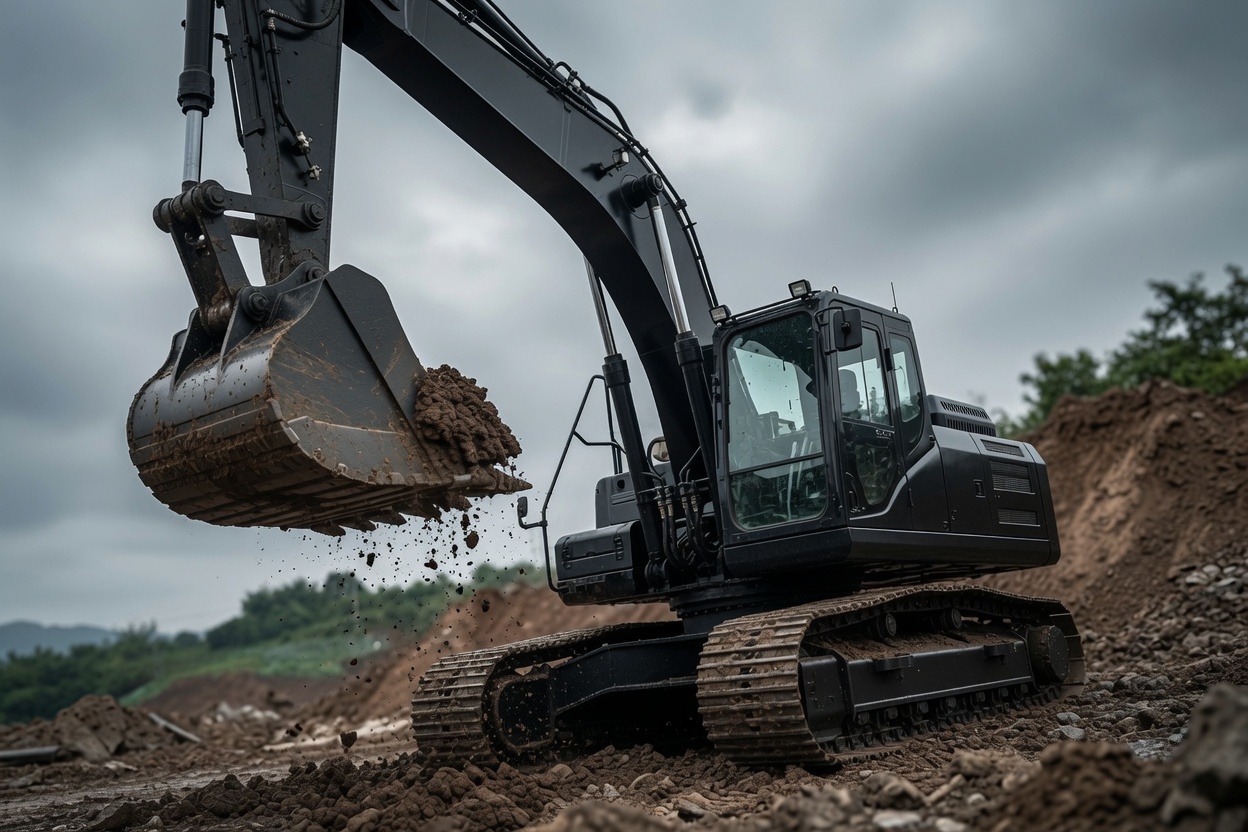
Material Composition and Manufacturing Process
The raw material foundation of a quality leaf chain begins with carbon-manganese alloy steel or chromium-molybdenum steel, both of which offer the combination of high tensile strength and good fatigue resistance that excavator duty cycles demand. Plate steels used in certified leaf chain typically achieve tensile strengths between 900 MPa and 1,200 MPa depending on the heat treatment applied, with case-hardened pins running inside plates that retain a tougher, more ductile core beneath the wear-resistant outer layer.
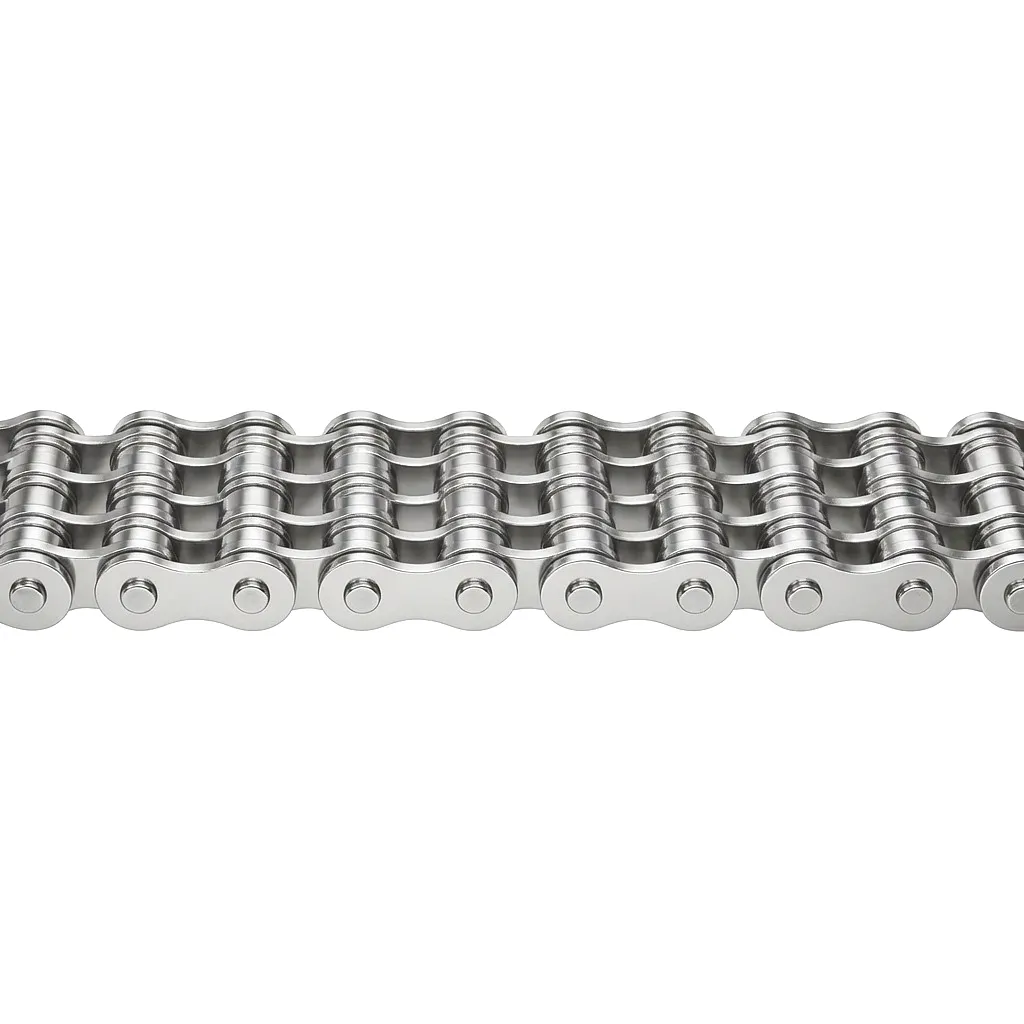 Manufacturing precision is non-negotiable. Link plates are stamped from sheet steel and then undergo carbonitriding or case-hardening operations that harden the surface to resist the abrasive wear from pin oscillation without making the material brittle enough to fail by sudden fracture. The connecting pins receive induction hardening to develop a hard outer shell — typically HRC 58–64 at the surface — with a resilient inner core that absorbs shock loads without propagating cracks. This metallurgical balance is what separates a purpose-built industrial leaf chain from a commodity imitation that may look similar but behaves very differently under the sustained cyclic loading of a working excavator.
For excavators operating in coastal or offshore construction environments in the UK — think flood defence works in the Humber Estuary or harbour development along the Cornwall coast — surface treatments including hot-dip zinc phosphating or stainless steel construction can be specified to resist salt spray corrosion, protecting the chain’s rated capacity over a service life that might otherwise be severely shortened by marine atmospheric conditions.
Leaf Chain Technical Specifications for Excavator Applications
| Chain Series | Passo (mm) | Allacciatura | Min. Tensile (kN) | Carico di lavoro (kN) | Applicazione tipica |
|---|---|---|---|---|---|
| BL422 | 12.70 | 2×2 | 44.5 | 11.1 | Mini excavators (<6T) |
| BL534 | 15.875 | 3×4 | 102 | 25.5 | Mid-size excavators (6–15T) |
| BL634 | 19.05 | 3×4 | 151 | 37.8 | Standard excavators (15–30T) |
| BL844 | 25.40 | 4×4 | 267 | 66.8 | Large excavators (30–50T) |
| BL1046 | 31.75 | 4×6 | 480 | 120 | Mining-class excavators (50T+) |
| AL822 | 25.40 | 2×2 | 124 | 31 | Compact excavators, wet environments |
* Working load calculated at safety factor 4:1 per ISO 4347. Contact our engineering team for exact specification based on your excavator model and duty cycle.
Six Reasons Excavator OEMs and Fleet Managers Specify Leaf Chain
Unmatched Tensile Strength
The multi-plate lacing construction enables leaf chains to achieve minimum tensile strengths that wire rope of equivalent cross-section cannot match, making them the natural choice for large-format excavators handling heavy rip-rap, concrete chunks, or bulk soil in UK civil engineering.
Fatigue Resistance
An excavator completes thousands of dig cycles per shift. Leaf chain is specifically engineered for high-cycle fatigue applications, with the large pin-plate contact areas reducing bearing stress to levels that prevent the microscopic surface damage that eventually causes fatigue fracture in more concentrated contact geometries.
Measurable Wear Progression
Unlike wire rope, which can fail internally while appearing intact externally, leaf chain degrades in a visible, measurable way. This makes PPM scheduling straightforward and provides clear evidence for UK insurance and safety audit requirements — a significant compliance advantage for hire fleet operators working across Britain.
Minimal Maintenance Design
Modern leaf chains for excavators are supplied pre-lubricated and can be specified with sealed pins that retain lubrication throughout their service life. This dramatically reduces the maintenance burden compared to earlier generations, keeping plant running time high — a genuine commercial advantage for UK hire companies and main contractors managing large fleet operations.
Standardised Interchangeability
ISO 4347 and ANSI B29.8 standards govern leaf chain geometry, so a correctly specified replacement chain from a quality supplier will physically interchange with OEM-supplied chains — important for UK operators managing mixed-brand excavator fleets where keeping dozens of different spare parts in stock is impractical and costly.
Broad Environmental Tolerance
From the waterlogged clay soils of the Fens to the gritty sandstone cuts of Yorkshire quarries, UK construction environments are demanding and varied. Leaf chains can be surface-treated or manufactured in corrosion-resistant alloys to match the specific environment, giving procurement teams genuine flexibility in specifying a chain that performs across the full range of UK site conditions without compromise.

Excavator Application Scenarios Where Leaf Chain Makes the Difference
Urban Demolition and Regeneration
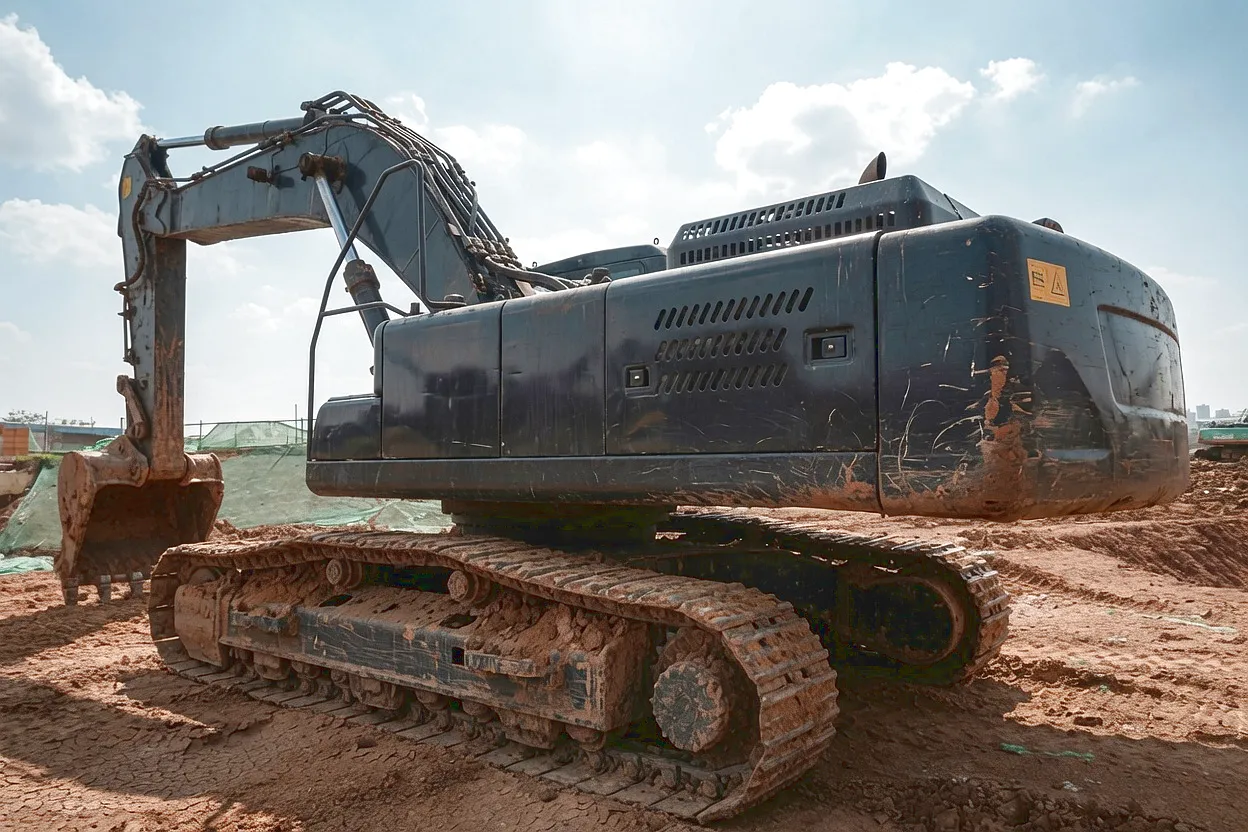 Large-scale urban regeneration projects — the sort increasingly common in Manchester’s Northern Quarter, Birmingham’s Digbeth corridor, and along London’s Opportunity Areas — require excavators to handle mixed rubble, steel reinforcement, and dense concrete demolition debris in tight, constrained site conditions. In these environments, the leaf chain in the boom hoist and bucket tilt circuits is subjected to erratic shock loads as the bucket teeth encounter embedded rebar or unexpected voids in demolished structures. The shock-absorption characteristics of a correctly specified leaf chain, combined with its inherent ability to safely absorb transient overloads without catastrophic fracture, make it the safest choice for these high-value, heavily scrutinised UK regeneration contracts where a chain failure could stop an entire project.
Infrastructure and Road Building
Road building and infrastructure projects such as motorway widening, HS2 enabling works, and major rail corridor diversions involve long campaign-style excavator operations where a single machine might complete millions of dig cycles before the job is finished. In these sustained, high-intensity applications, leaf chain wear resistance and fatigue life become the dominant selection criteria. Procurement engineers working for Tier 1 contractors on UK infrastructure programmes know that specifying an under-rated or sub-standard chain here is a false economy — the cost of an emergency chain replacement, combined with the crane hire and specialist labour required to change the chain in-situ on a deep-cut motorway excavation, can easily exceed fifty times the cost of the chain itself.
Mining and Quarrying Operations
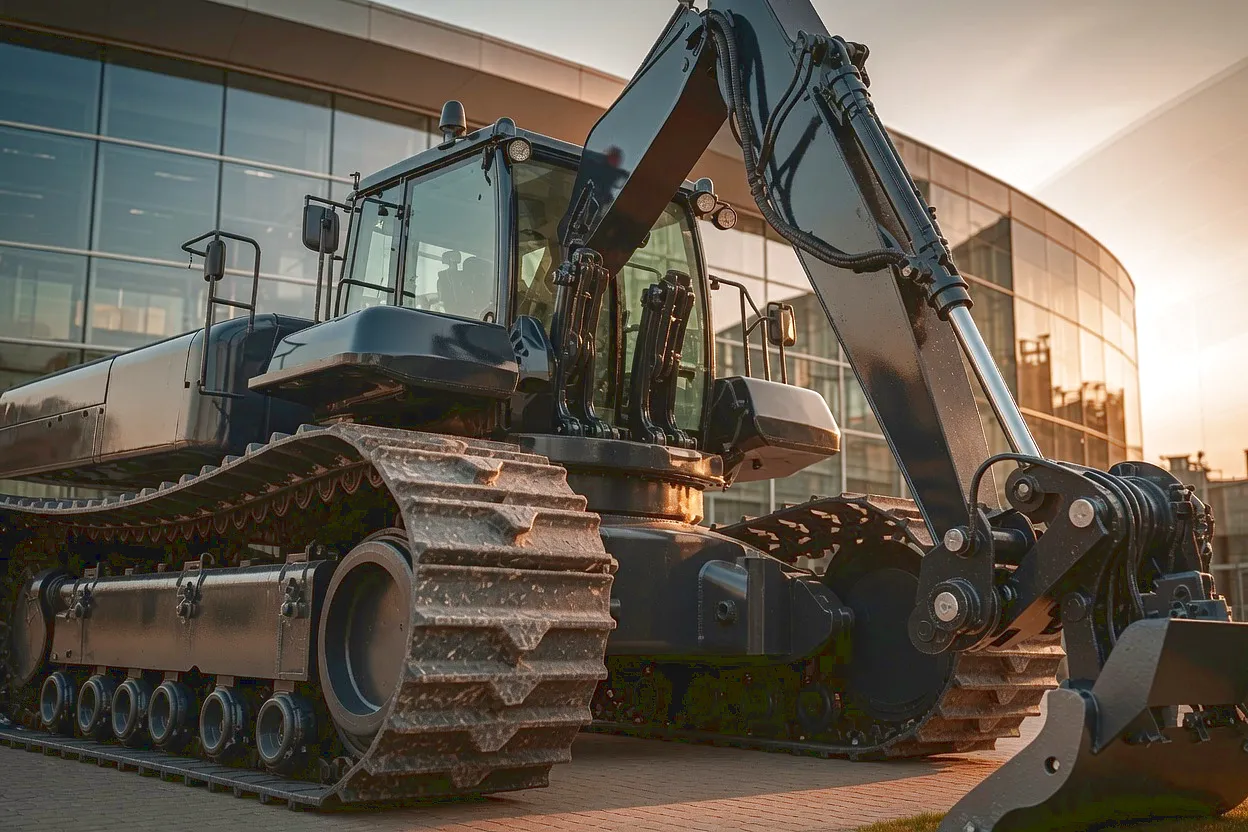 The UK has an active quarrying sector stretching from the Pennines limestone quarries to the Cornish china clay operations and the hard-rock granite quarries of Aberdeenshire. Quarry excavators work in permanently abrasive environments where fine stone dust infiltrates every clearance gap in a machine, dramatically accelerating wear in standard components. Heavy-duty leaf chains specified for quarry duty combine greater plate thicknesses, larger pin diameters, and specialised corrosion-resistant surface treatments that collectively extend service life in these challenging conditions to levels comparable to much less demanding civil applications.
Marine and Coastal Construction
Dredging, sea-wall construction, port deepening, and coastal flood defence work expose excavators to the most corrosive environment available in UK civil engineering — the tidal salt spray zone. Standard carbon steel leaf chain would corrode rapidly in these conditions without appropriate surface treatment. Procurement specifications for coastal excavator operations in the UK should always request full material certification, surface coating specification, and ideally accelerated salt-spray test data from the chain supplier. The additional cost of a properly specified, corrosion-resistant leaf chain assembly is insignificant compared to the cost of crane-assisted chain replacement in an inter-tidal working environment.
Utility and Pipeline Work
Water, gas, and electricity network maintenance and extension projects require excavators to work in confined trench conditions, often handling pre-cast concrete pipes, valve chambers, and duct bundles that must be placed with millimetre precision. In these applications, the leaf chain’s positive engagement with the anchor-pin system provides the positional repeatability that a hydraulic cylinder acting alone — without the mechanical certainty of the chain — cannot always guarantee. This matters greatly on utility contracts where misplaced infrastructure could result in damage claims from adjacent asset owners or, in the worst case, injury to workers in the excavation.
Our Manufacturing Capability and Custom Chain Services
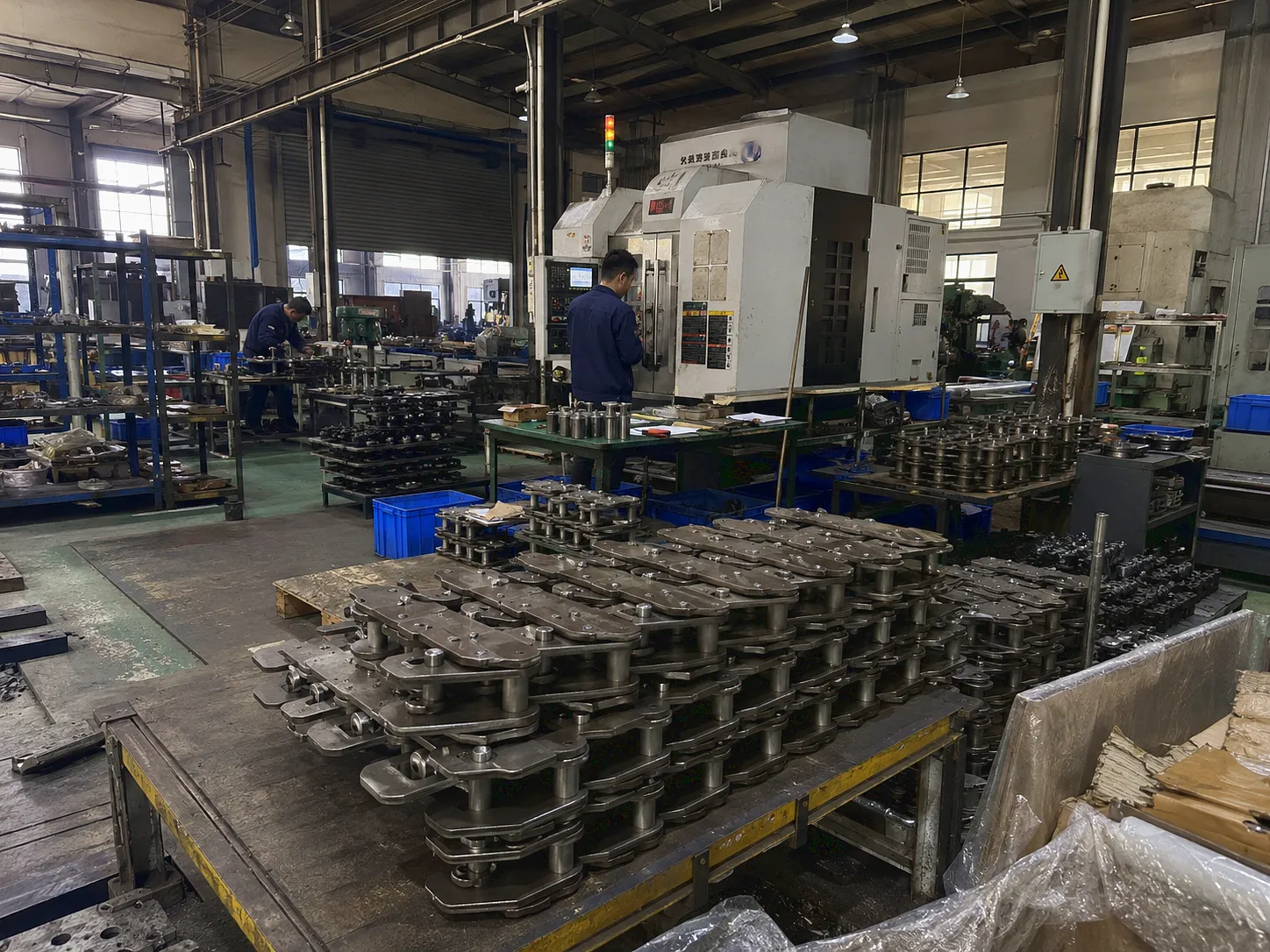
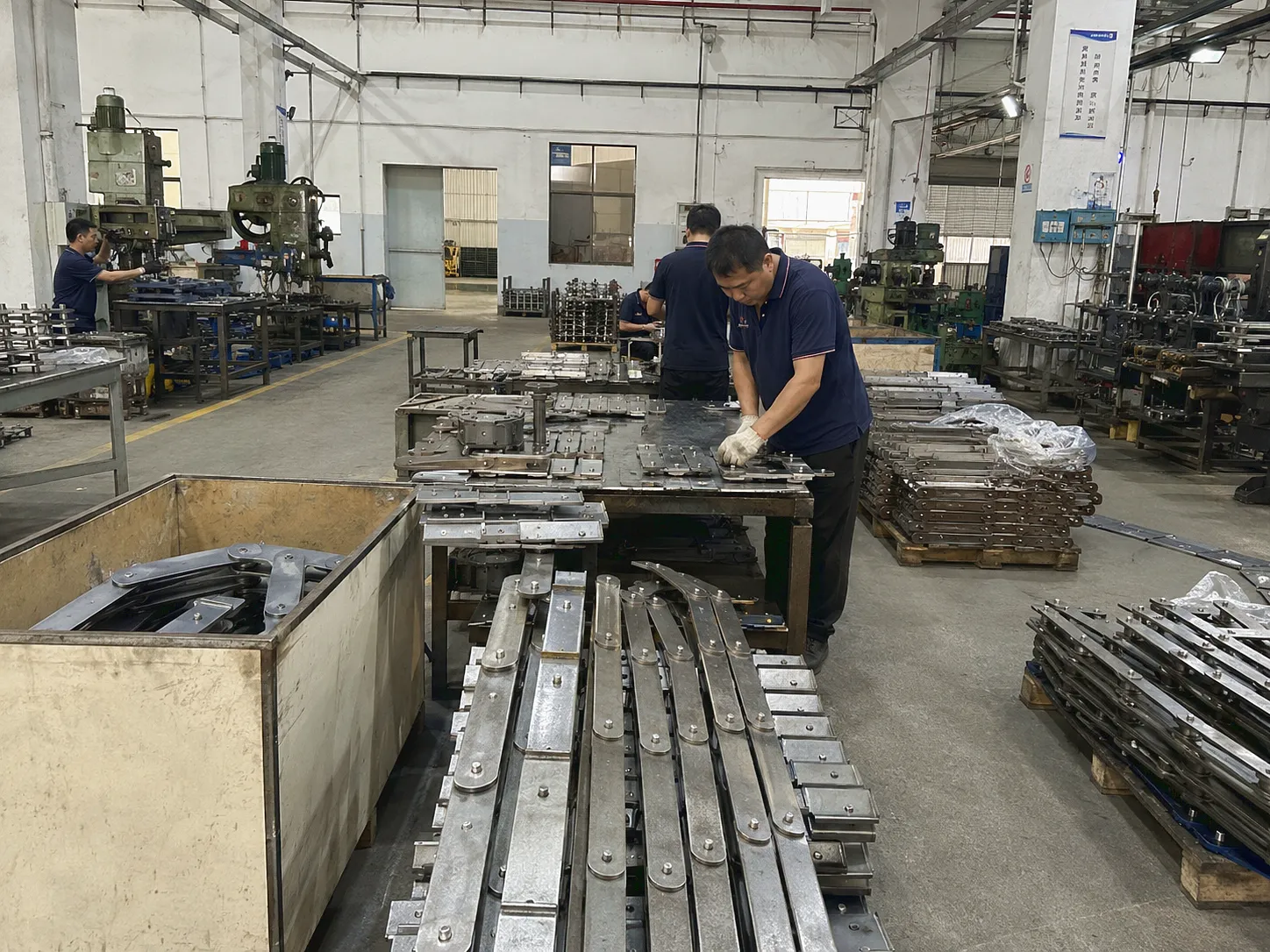 We manufacture leaf chain assemblies on precision-controlled production lines capable of holding dimensional tolerances to within 0.01 mm on critical features such as pin bore diameter and plate thickness. Our heat treatment process is computer-controlled and verifiable, with full batch traceability from raw material coil to finished chain assembly — meaning every shipment we make to UK customers comes with a complete material certificate and dimensional inspection record.
What genuinely sets us apart is our commitment to bespoke engineering. Not every excavator application fits neatly into a catalogue specification. OEMs developing new excavator platforms, specialist plant manufacturers building custom deep-foundation equipment, and retrofit specialists upgrading older excavator designs frequently need leaf chain assemblies that deviate from standard series — modified pin lengths, non-standard lacing patterns, bespoke anchor-end configurations, or corrosion-resistant surface treatments not available from catalogue suppliers. Our engineering team has the CAD capability, metallurgical knowledge, and manufacturing flexibility to develop and produce these custom assemblies without demanding the minimum order quantities that make custom work impractical for many procurement organisations.
 We offer rapid sample production, typically within two to three weeks for non-standard configurations, with full dimensional and load-test certification included as standard. For UK customers requiring UKCA-marked product or third-party test certification, we have established relationships with accredited test houses and can facilitate all necessary certification processes without placing that administrative burden on your procurement team.
Customer Success Story: UK Infrastructure Contractor
Thames Tideway Enabling Works, London — 22T Excavator Fleet
Challenge: A leading Tier 1 civil contractor managing enabling works for a major Thames-side infrastructure project was experiencing accelerated leaf chain wear in their fleet of Komatsu PC210 and Hitachi ZX225 excavators. The combination of river-adjacent salt-laden air, fine Thames alluvium, and highly intensive dig cycles — up to 450 cycles per shift across multiple machines — was causing standard OEM replacement chains to reach their wear limit in as little as eight months, triggering frequent unplanned maintenance halts and associated crane hire costs on a contract with stringent programme milestones.
Solution: We developed a custom leaf chain specification combining a BL634 base configuration with a phosphate-and-oil surface treatment upgraded to a hot-dip zinc-phosphate-and-wax system, increased pin diameter tolerances tightened to +0.000/-0.005 mm, and sealed pin ends to prevent tidal moisture ingress. The chains were supplied pre-lubricated with a high-viscosity moly-disulphide paste rather than standard oil, specifically chosen for its tenacious film retention in high-humidity conditions. We also provided the client’s maintenance team with a bespoke wear-monitoring template linked to their fleet management software.
Risultato: Service life extended from 8 months to over 22 months across the fleet, representing a reduction in chain-related maintenance costs of approximately 62%. Unplanned maintenance stoppages attributed to chain wear dropped to zero over the subsequent 18-month monitoring period. The contract delivered on programme and within budget, with the plant manager noting that the chain upgrade was one of the most cost-effective engineering interventions made during the entire project.
Cosa dicono i nostri clienti
“We’ve used leaf chains from numerous suppliers over the years, but the quality and consistency from this team is genuinely in a different league. The custom anchor-end configuration they produced for our deep-reach demolition machine saved us a complete redesign of the mounting bracket system. Delivery was on time and the material certs were with us before the chains arrived. Exactly what a busy plant department needs.”
“Our quarry operations in Derbyshire are brutal on any mechanical component, and leaf chains are no exception. We switched to the heavy-duty specification three years ago and the difference in service life is remarkable. The supplier’s technical team actually visited the site to understand the exact duty cycle before recommending a specification, which is the kind of applied knowledge you don’t get from a catalogue supplier.”
“We procure leaf chains for a mixed fleet of excavators operating on rail infrastructure renewal contracts across Scotland and the North of England. Having a single supplier that can cover everything from 8-tonne compacts to 45-tonne rail-mounted machine configurations, with consistent quality and documentation, has simplified our supply chain considerably. The technical support on specification is genuinely useful, not just a sales exercise.”
Leaf Chain Selection Guide by Excavator Type and UK Application
Choosing the right leaf chain series for a UK excavator application involves balancing tensile strength requirements against wear environment, maintenance access, and total cost of ownership. The comparison below is intended as a starting framework; final specification should always be verified against the OEM’s duty cycle data and the actual application conditions.
| Excavator Class | Weight Range | Recommended Series | UK Environment | Special Consideration |
|---|---|---|---|---|
| Mini | 1–6 T | BL322 / BL422 | Urban groundworks | High cycle rate in confined sites |
| Midi | 6–15 T | BL434 / BL534 | Utility, road building | Mixed soil types across UK regions |
| Standard | 15–30 T | BL634 / BL644 | Civil, demolition, infrastructure | Shock load resistance critical |
| Large | 30–50 T | BL844 / BL846 | Quarrying, bulk earthworks | Abrasive environment treatment required |
| Mining Class | 50 T+ | BL1046 / Custom | Open-cast mining, major infrastructure | Full custom engineering consultation recommended |
| Coastal / Marine | Qualunque | AL or BL + Marine Treatment | Tidal, estuarial, offshore | Salt spray certification mandatory |
Practical Maintenance Tips for Leaf Chain in UK Excavator Operations
The most common cause of premature leaf chain failure in UK excavator operations is not overloading — it is inadequate lubrication combined with abrasive contamination. When fine quarry dust, river silt, or demolition concrete dust infiltrates the pin-plate joints of a leaf chain and the protective lubricant film breaks down, metal-to-metal contact accelerates wear at a rate many times higher than a properly maintained chain would experience. A maintenance programme built around regular cleaning and lubrication is therefore the single most cost-effective intervention available to UK plant fleet managers.
The recommended approach for high-contamination environments — which includes the majority of active UK construction sites — is to clean the accessible chain sections with a low-pressure wash at every 250-hour service interval, followed immediately by brushed or spray application of a high-viscosity chain oil meeting the relevant viscosity requirements for the ambient temperature range. For winter working in Northern England or Scotland, where ambient temperatures regularly fall below +5°C, a specifically formulated low-temperature chain lubricant should be used to ensure adequate penetration into the tight pin-plate clearances that standard oils may bridge without fully wetting.
Elongation measurement should be performed at every major service interval — typically 1,000 hours or six months, whichever is sooner. Mark a reference length of exactly 12 links (for example) on a new chain installation, and measure this same span at every subsequent inspection. When the measured length exceeds the original by more than 2%, the chain should be scheduled for replacement at the next planned outage. Waiting beyond this threshold risks accelerated anchor-end wear and the possibility of unexpected pin shear — a failure mode that can be both costly and dangerous in an active excavation environment.
Quick-Reference Maintenance Schedule

Frequently Asked Questions About Leaf Chain for Excavators
What is the best leaf chain supplier in the UK for heavy-duty excavator replacement chains, and how do I get a competitive price quote?
The best UK excavator leaf chain supplier is one that can demonstrate ISO 4347 compliance, provide full material certificates, and offer genuine engineering support during specification — not just catalogue fulfilment. For a competitive price quote on replacement leaf chains for your specific excavator model, contact our team directly via the enquiry link on this page with your machine make, model, current chain series reference, and application environment. We typically respond to UK quotation requests within one business day.
How often should I replace the leaf chain on my 20-tonne excavator working on UK construction sites?
Replacement intervals for leaf chains on 20-tonne class excavators in typical UK construction conditions depend heavily on duty cycle intensity, lubrication discipline, and contamination levels. A well-maintained chain on a standard civil engineering site might achieve 18–24 months of service; the same chain on an abrasive quarry or high-cycle demolition application might reach its wear limit in 8–12 months. The reliable trigger for replacement is elongation measurement — replace when the pitch length has grown by more than 2% of the new-chain specification, regardless of chronological age.
Which leaf chain series is the right choice for a Komatsu or Hitachi excavator being used on a coastal flood defence project in England?
For coastal applications in England — where salt spray corrosion significantly shortens standard chain life — we recommend specifying a BL634 or BL644 base series (depending on machine class) with a hot-dip zinc-phosphate-and-wax surface treatment as a minimum, or upgrading to a stainless steel pin-and-plate construction for continuous tidal exposure. Sealed pin ends are also strongly advisable to prevent moisture ingress into the pin-plate clearance zones where fretting corrosion typically initiates.
What is the cost difference between standard and heavy-duty leaf chain for excavators, and is the upgrade worth it for UK hire fleet operators?
Heavy-duty leaf chain specifications — typically involving increased plate thickness, larger pin diameters, and enhanced surface treatments — carry a unit price premium of roughly 25–40% over standard catalogue chains. For UK hire fleet operators managing machines on demanding contracts, the economics almost always favour the upgrade: extending service life by 50–100% reduces not just chain cost but also the labour, crane hire, and lost utilisation costs associated with emergency chain replacement. In most realistic scenarios, the total cost of ownership over a three-year fleet management cycle is lower with the heavy-duty specification.
Where can I find a leaf chain supplier who can provide custom-length excavator chains with bespoke anchor ends and material certification for UK infrastructure projects?
Custom-length leaf chains with bespoke anchor end fittings and full material certification are available directly from us. We manufacture to customer-supplied drawings or specifications, with full dimensional inspection records and load-test certificates included as standard. For infrastructure projects requiring traceability documentation, we can provide batch-level material certificates, test house reports, and compliance declarations. Contact us via the quote request button on this page to discuss your specific requirements.
How does leaf chain compare to wire rope in excavator applications, and when should I specify one over the other?
Leaf chain and wire rope serve different mechanical functions in excavator design. Leaf chain is the preferred choice where a positive, non-slipping mechanical connection is required — particularly in tilt-cylinder and boom-hoist circuits where precise positional control matters. Wire rope is more commonly used in long-reach or crane-duty applications where flexibility around multiple sheaves is the dominant design requirement. For the bucket and boom linkage systems on conventional hydraulic excavators, leaf chain almost universally outperforms wire rope in service life, replaceability, and wear-monitoring convenience.
modifica di gzl