
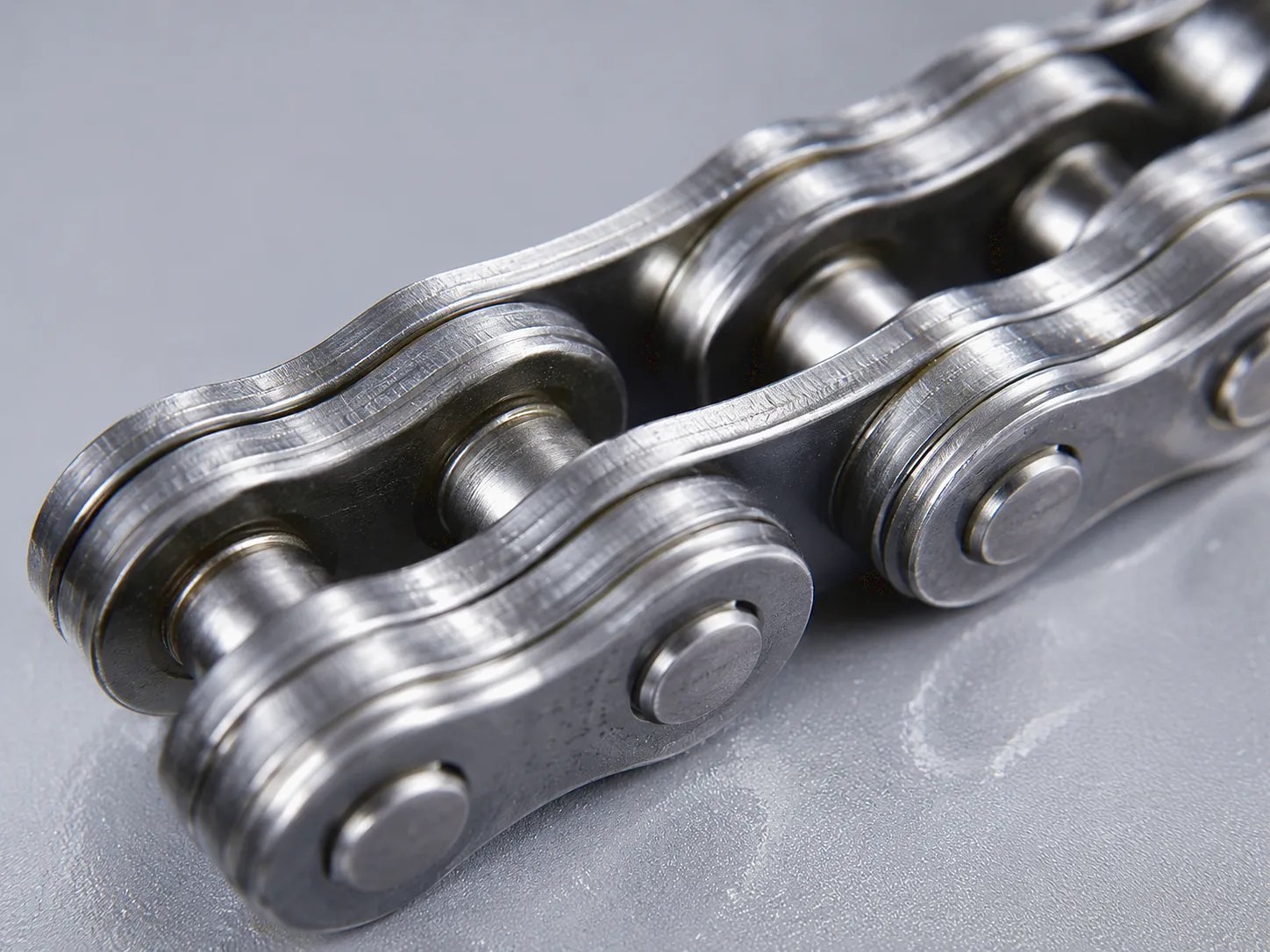
Every cotton-picking season, drive systems are pushed beyond their design limits. Spindle bars, picker heads, and elevator conveyors operate under punishing oscillating loads, constant exposure to fibre dust, and the relentless vibration of a harvester covering hundreds of acres without pause. At the heart of these machines — holding everything together while the world pulls it apart — is the leaf chain.
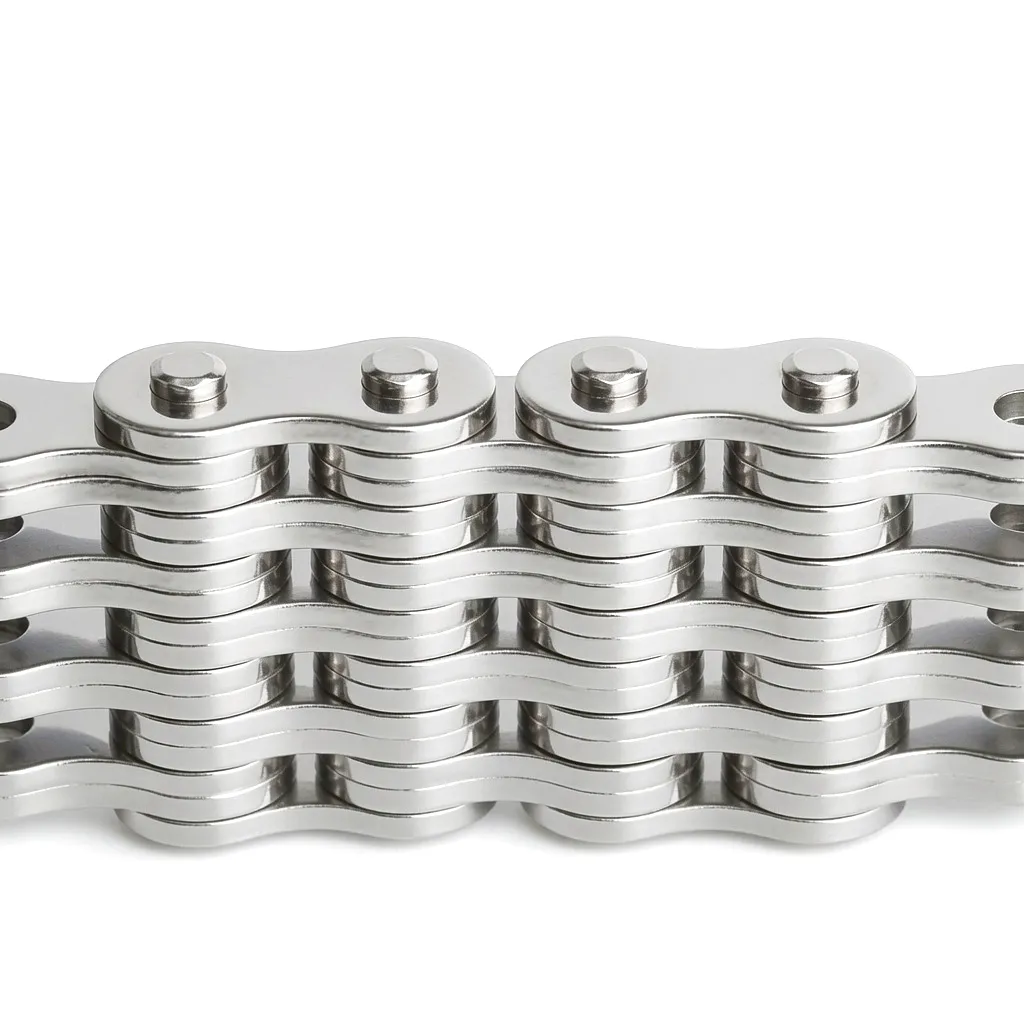
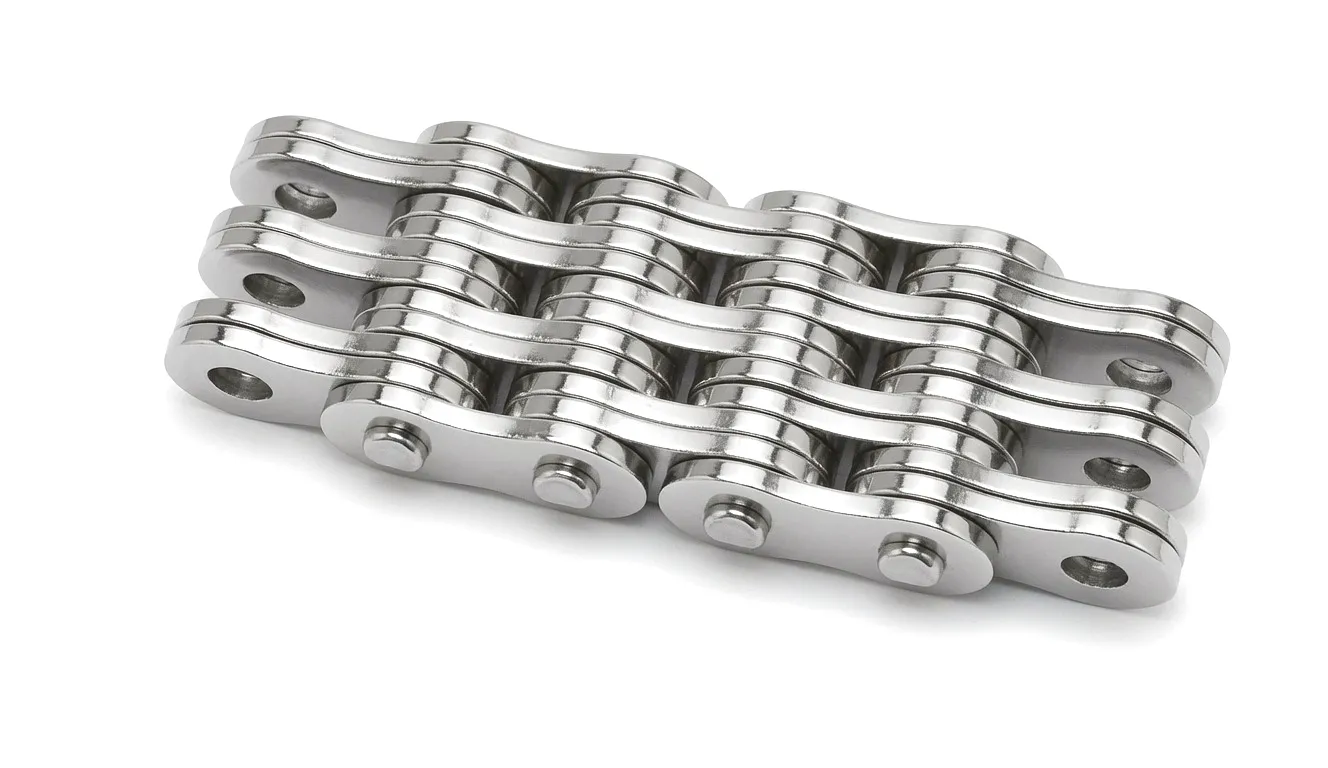
Leaf chain, also known as balance chain or forklift chain, is a flat-link chain constructed from interleaved link plates and pins — without any rollers. Its architecture makes it exceptionally well-suited to tension-bearing applications where the drive must absorb shock, tolerate misalignment, and maintain dimensional stability under sustained load. When specced correctly for a cotton picker’s unique duty cycle, a quality leaf chain dramatically outperforms roller-chain substitutes, reducing unplanned stoppages and extending the service interval between harvesting seasons.
- ✔No rollers — less mass, less inertia in reciprocating drives
- ✔Higher tensile-to-weight ratio than equivalent roller chain
- ✔Resists cotton fibre ingress better than complex chain designs
- ✔Compatible with standard BL / AL / LL series sprockets
- ✔Available in corrosion-resistant variants for humid field conditions
Understanding the Mechanical Demands of a Cotton Picker
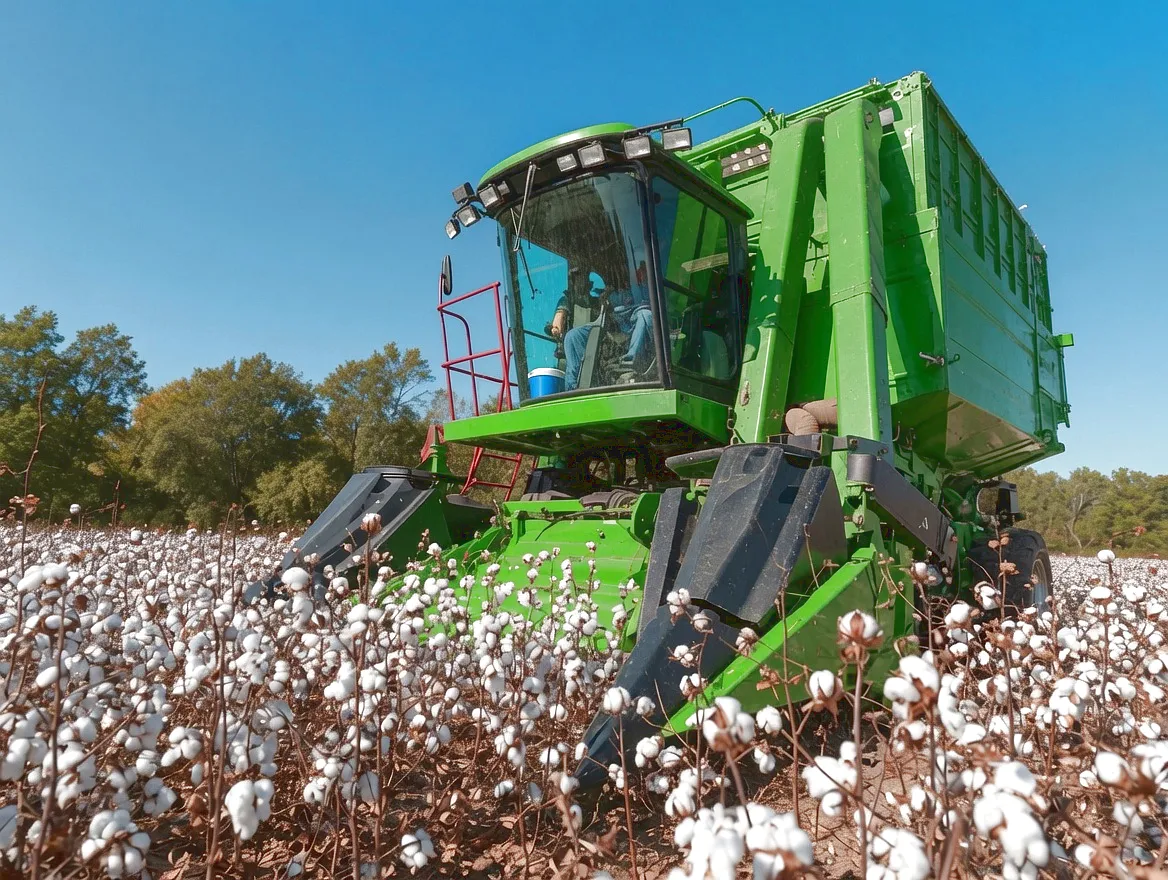
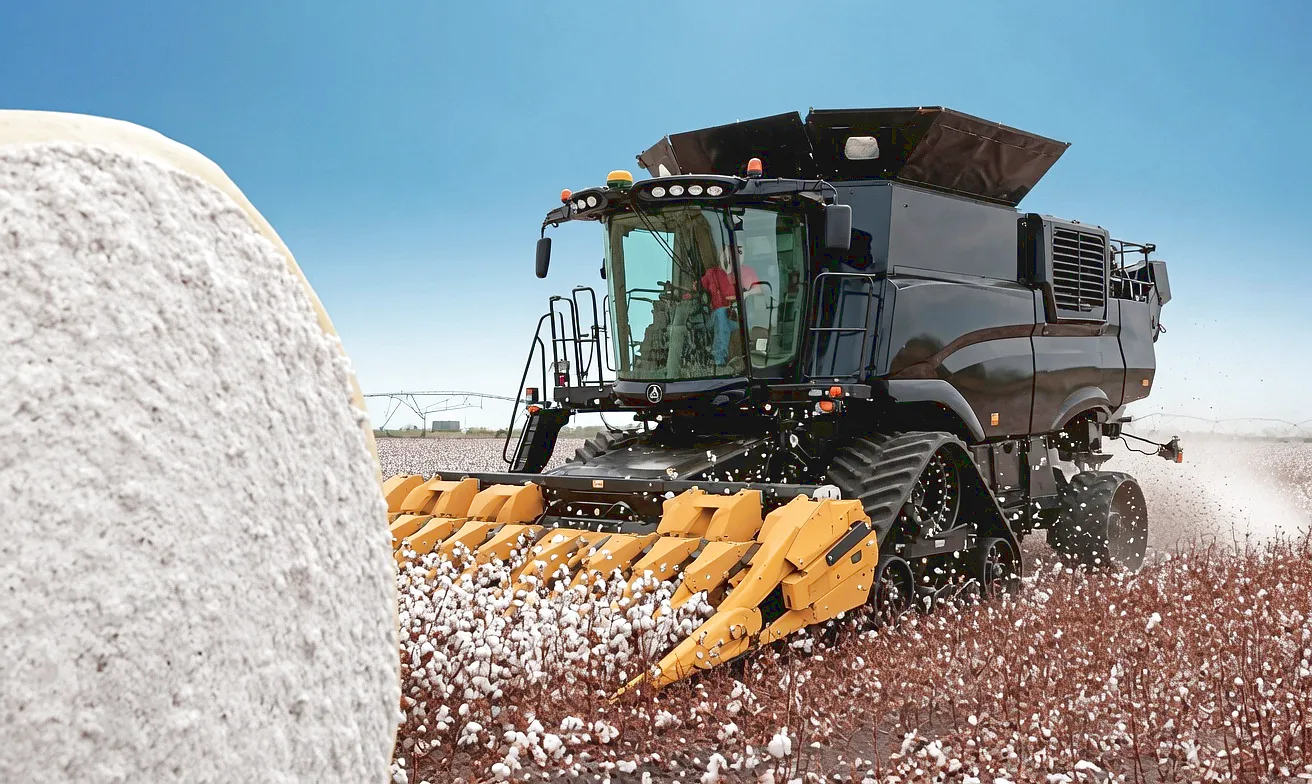
Modern cotton pickers — whether the John Deere CP690, Case IH Module Express 635, or domestic variants used on UK-traded global machines — operate through a sequence of mechanically interdependent systems. The picking spindles rotate at up to 3,000 rpm while simultaneously moving laterally across the cotton row. This motion is orchestrated by a network of drive chains, cams, and gearboxes that must remain precisely synchronised for hour after hour in field conditions that generate grit, heat, and fibre debris in equal measure.
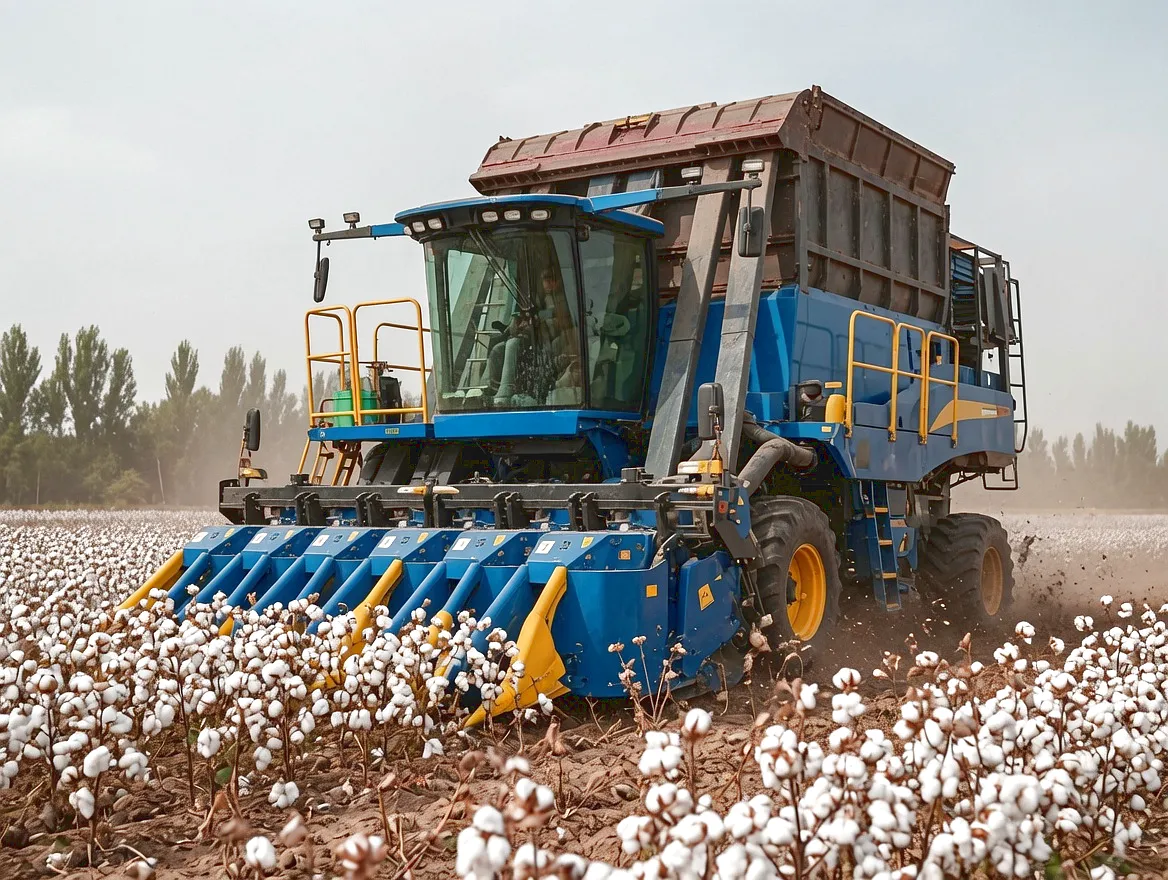 The leaf chain sits at the convergence of several of the harshest sub-systems: the main elevator conveyor, the doffer-to-basket transfer, and the cam-follower tension mechanism. In each of these applications, the chain is not driving a sprocket in the traditional sense — it is being tensioned in a nearly static or slowly oscillating manner, carrying massive axial loads that can spike dramatically when a blockage, slug, or unexpected density of cotton bolls enters the system.
This is precisely the loading regime where leaf chain excels. Unlike roller chain, which converts rotational force through its roller-sprocket interface, leaf chain transmits load purely through its pin-and-plate construction — giving engineers a direct, highly predictable tension path with minimal energy loss and exceptional shock-load tolerance.
What Is Leaf Chain and How Does It Work?
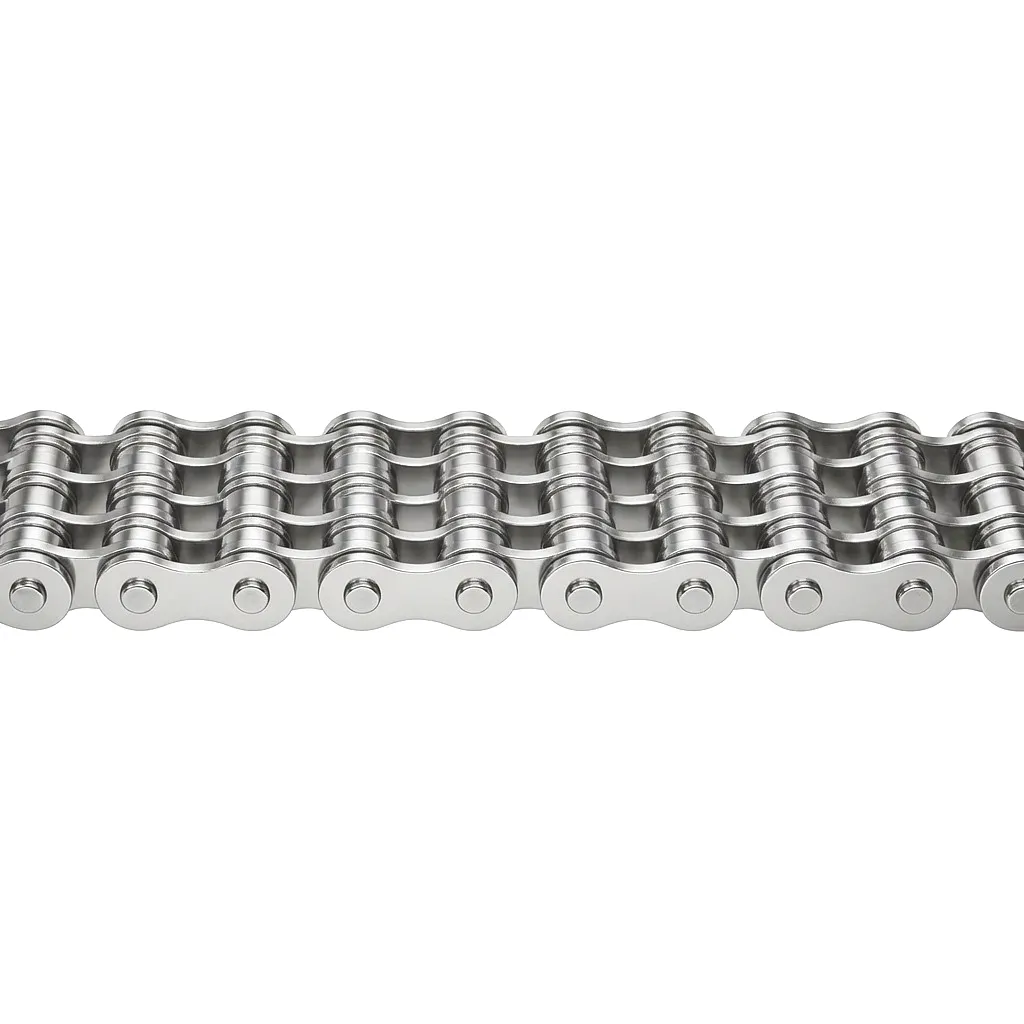
Leaf chain is constructed entirely from high-strength link plates — stacked in an alternating inner/outer pattern and joined by precision-ground pins. There are no bushes, no rollers, and no moving parts beyond the articulation at each pin. This simplicity is its greatest engineering asset. Every link plate shares the applied load, and because the cross-section is solid steel throughout, the chain can withstand tensile forces far exceeding what a comparable-pitch roller chain can safely carry.
The most widely used standards for leaf chain in agricultural machinery are the BL series (to ISO 4347) and the AL series (to ANSI B29.8). BL-series chains are commonly found in European-specification machines, while AL-series chains are preferred on North American designs. Both are fully interchangeable when specified to the same pitch and lacing. For the UK agricultural market — where equipment is sourced globally but maintained locally — it is essential that suppliers can deliver to both standards.
The pin diameter, plate thickness, and lacing configuration (e.g. 2×2, 3×3, 4×4) all determine the ultimate tensile strength and fatigue life of the chain. For cotton picker applications where shock loads can reach 1.5–2× the nominal working load, a lacing ratio of 3×3 or higher is generally recommended to ensure adequate safety factor without adding unnecessary weight to the elevator assembly.

- Link Plates: Case-hardened alloy steel, Rc 38–45
- Pins: Through-hardened steel, ground and polished
- Surface: Zinc-nickel or hot-dip phosphate + oil
- Optional: Stainless steel (AISI 304 / 316) plates
Technical Specifications: Leaf Chain for Cotton Picker Applications
Key performance parameters for common leaf chain series used in harvesting equipment drive systems.
| Chain Series | Pitch (mm) | Байлау | Min. Tensile (kN) | Working Load (kN) | Weight (kg/m) | Typical Use |
|---|---|---|---|---|---|---|
| BL 422 | 12.7 | 2×2 | 9.8 | 2.45 | 0.48 | Light elevator tensioners |
| BL 534 | 15.875 | 3×4 | 31.1 | 7.78 | 0.92 | Main elevator drive |
| BL 646 ★ | 19.05 | 4×6 | 71.2 | 17.8 | 1.86 | Cotton basket & doffer |
| BL 844 | 25.4 | 4×4 | 89.0 | 22.25 | 2.54 | High-torque picker head |
| AL 1244 | 38.1 | 4×4 | 133.4 | 33.35 | 4.20 | ANSI-spec heavy pickers |
★ Most commonly specified for UK-operated cotton picker elevator and basket transfer drives. Data represents standard carbon steel variants. Custom lacing and stainless options available on request.
Where Leaf Chain Is Used Inside a Cotton Picker
A single cotton picker typically contains four to eight distinct leaf chain assemblies. Each has specific performance requirements.
Spindle Drive & Cam Mechanism
The picking spindle drive chain manages the rotational input from the main gearbox to the spindle bar rows. Load reversals occur hundreds of times per minute. Leaf chain with a 4×4 or 4×6 lacing absorbs these reversals without the fatigue cracking that shortens roller chain life in the same position. The cam follower guide — which controls spindle engagement depth — also uses leaf chain to maintain precise timing under variable soil resistance forces.
Main Cotton Elevator
The elevator conveyor transfers harvested cotton from the picking head up into the storage basket. This is a continuous-duty, high-volume application where the chain runs against guide rails in a fibre-saturated environment. Leaf chain’s smooth outer profile reduces cotton wrap-around and snagging compared to chain types with protruding rollers or attachments. For UK operators running 10+ hour harvest days, this difference can mean the gap between daily chain inspections and weekly ones.
Basket Compression & Module Builder
On self-contained module-building pickers, the basket compression system uses leaf chain in a semi-static tensioning role to hold the compressed cotton mass during transport. Working loads in this application can reach 8–15 kN continuously. The leaf chain must maintain a precise, constant elongation-free length to prevent the basket mechanism from losing its compressive force prematurely. Our BL 646 and BL 844 series are the preferred solution across multiple OEM designs for this demanding position.
Doffer Drive Chain
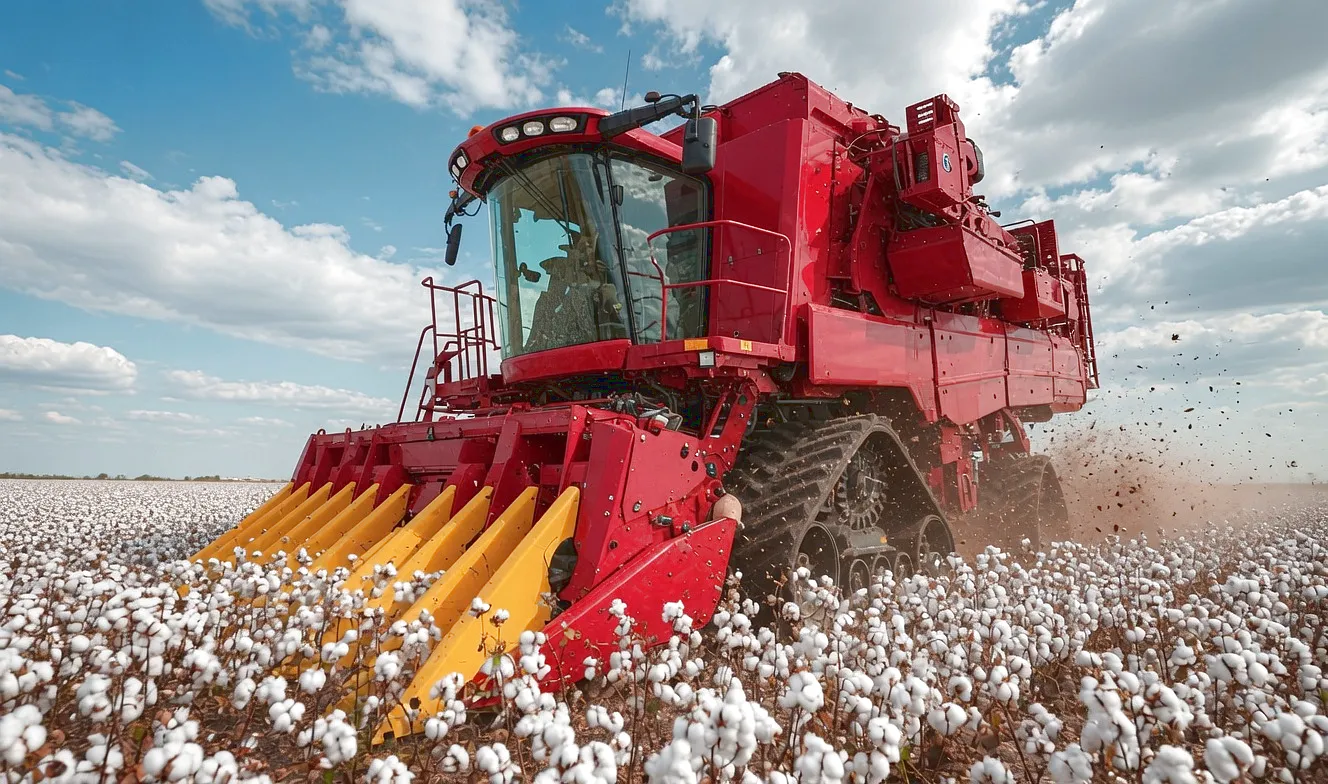
The doffer bar assembly removes harvested cotton from the spinning picker spindles using a reverse-direction rubber pad. The doffer drive chain is a classic leaf chain application: moderate speed, very high intermittent tension, and constant fibre contamination. Correct lubrication and pin hardness are critical here — under-lubricated chains elongate rapidly as pin-plate wear accelerates in the dusty environment. Our chains are pre-treated with a penetrating oil during assembly that extends re-lubrication intervals significantly compared to bare-steel alternatives.
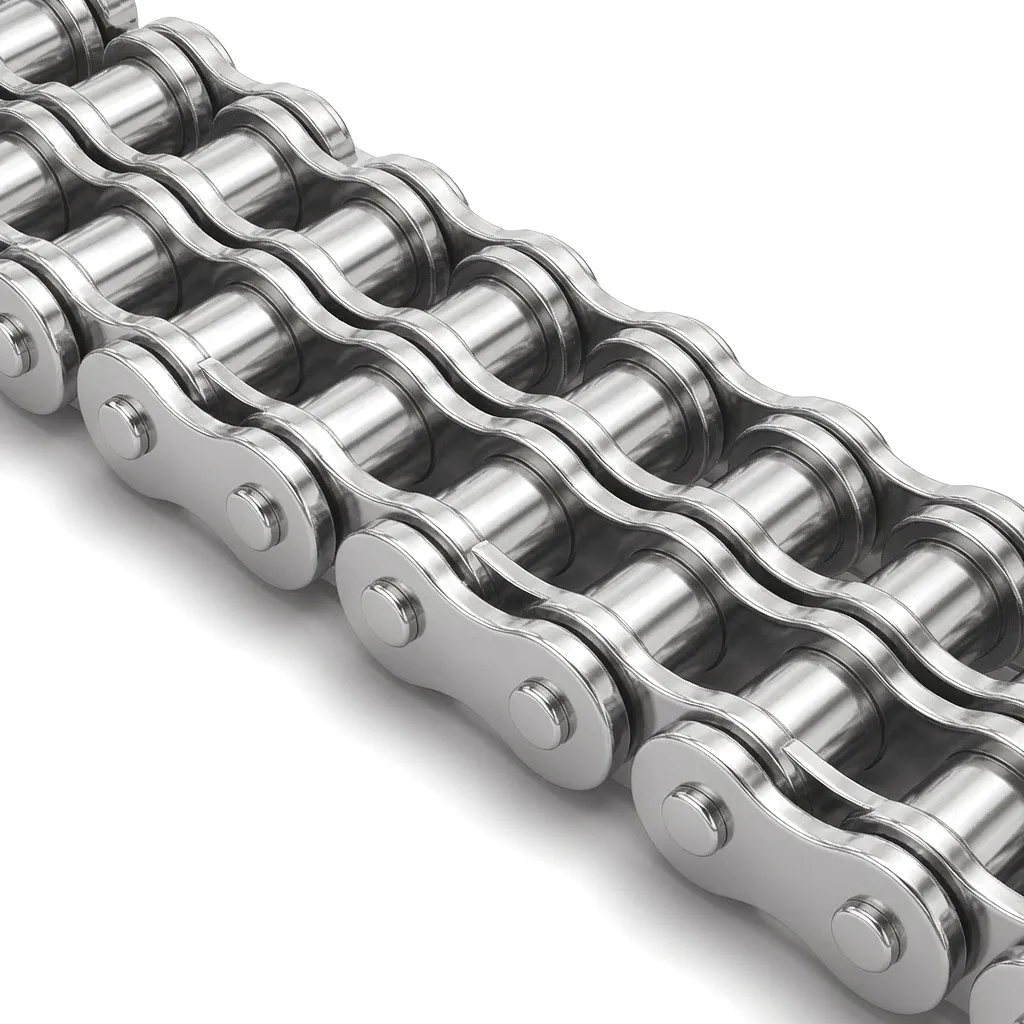
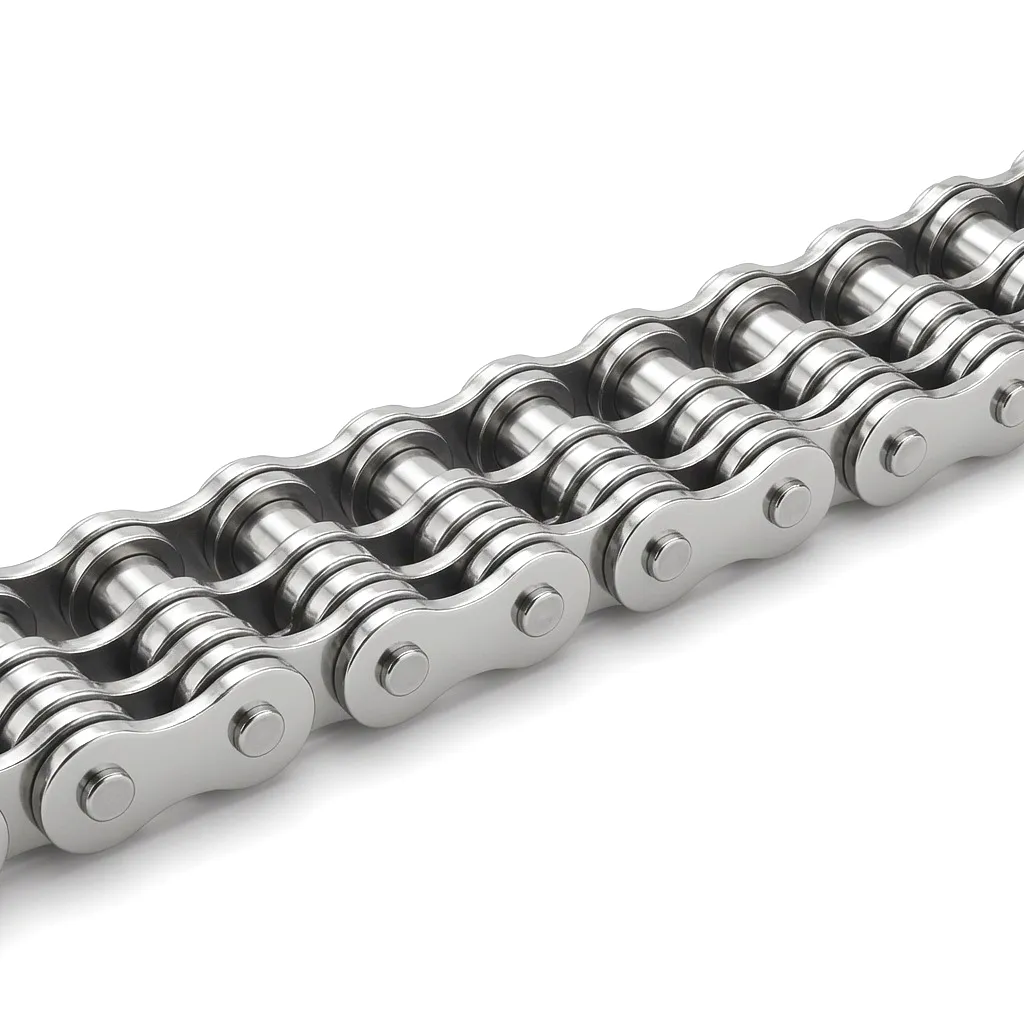
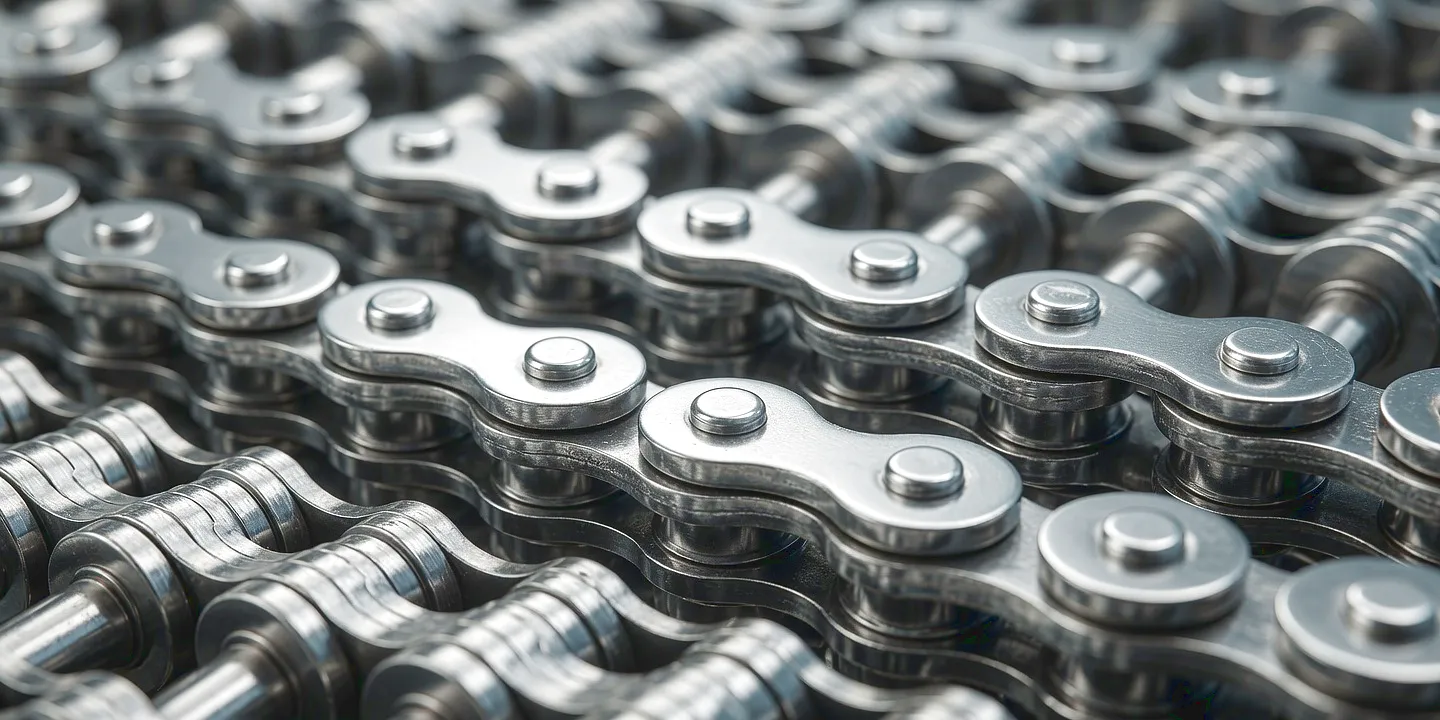
Өнім галереясы
Why Ever Power Leaf Chain Outperforms Generic Alternatives
The difference between a chain that lasts one season and one that lasts three comes down to material science, manufacturing precision, and how well the chain was specified for its actual duty.
Superior Fatigue Life
Our plates are precision-punched and shot-peened, introducing compressive residual stresses at the plate holes — the highest-stress location in any leaf chain. This process measurably extends fatigue life in oscillating tension applications. Independent testing shows up to 40% longer service life vs. non-shot-peened alternatives under simulated cotton picker duty cycles.
Tight Pitch Tolerance
Every chain is assembled within ±0.05% of nominal pitch length and verified against certified gauge blocks. In cotton picker timing applications, pitch inaccuracy translates directly into spindle mis-timing, which accelerates wear on both the chain and the cam guide rails. Our tight tolerance manufacturing prevents this compounding failure mode from ever getting started.
Agricultural Dust Resistance
Cotton gin environments are among the dustiest on earth. Fine cotton fibre, soil particulates, and chemical defoliants create an abrasive slurry once they combine with chain lubricant. Our agricultural-grade leaf chains use a sealed-pin design option that traps the initial lubricant charge inside the pin-plate interface, keeping the abrasive contaminants where they cannot accelerate wear — outside the contact zone.
Drop-In OEM Compatibility
All Ever Power leaf chains are manufactured to ISO 4347 and ANSI B29.8 standards. They connect directly to existing sprockets, tensioners, and guide rails without modification. UK customers replacing chains on John Deere, CNH, or Challenger cotton pickers will find a complete match, including matching the OEM master link style and cotter pin specification.

How to Select the Right Leaf Chain for Your Cotton Picker
Getting the specification right at the ordering stage prevents field failures and simplifies maintenance. Here is a practical selection framework developed over 18 years of agricultural drive applications.
The selection process starts with identifying the maximum working load in each chain position. For the main elevator, this is typically the weight of a fully loaded basket section multiplied by an appropriate dynamic factor — usually 1.5–2.0 for cotton picker duty. For the doffer drive and spindle drive chains, the working load is driven by the torque output of the gearbox and the effective pitch radius of the sprocket.
Once the maximum working load is known, select the chain series whose rated working load (at a minimum safety factor of 5:1 for agricultural applications) meets or exceeds the requirement. For most full-sized, self-propelled cotton pickers, this points to the BL 534, BL 646, or BL 844 series depending on the position. Oversizing beyond the next standard grade is rarely beneficial — it adds mass without meaningful performance gain and may require wider sprockets that conflict with the machine’s existing geometry.
The lacing configuration matters as much as the grade. A 3×4 lacing offers better fatigue properties under cyclic loading than a 2×4 at the same ultimate strength, because the load is distributed across more plates, reducing the peak stress at each plate hole. For positions with known shock-load exposure — particularly the doffer and basket compression chains — we recommend specifying 4×4 or higher lacing regardless of the nominal load calculation.
Identify chain position and duty cycle (elevator, doffer, spindle, basket)
Calculate peak working load including dynamic factor (1.5–2.0 recommended)
Select series with working load ≥ calculated peak at 5:1 safety factor
Choose lacing: 4×4 minimum for shock-load positions
Specify surface treatment: zinc-nickel for high-humidity UK field conditions
Confirm standard (ISO 4347 or ANSI B29.8) and sprocket compatibility
Our Manufacturing Facility & Custom Chain Engineering
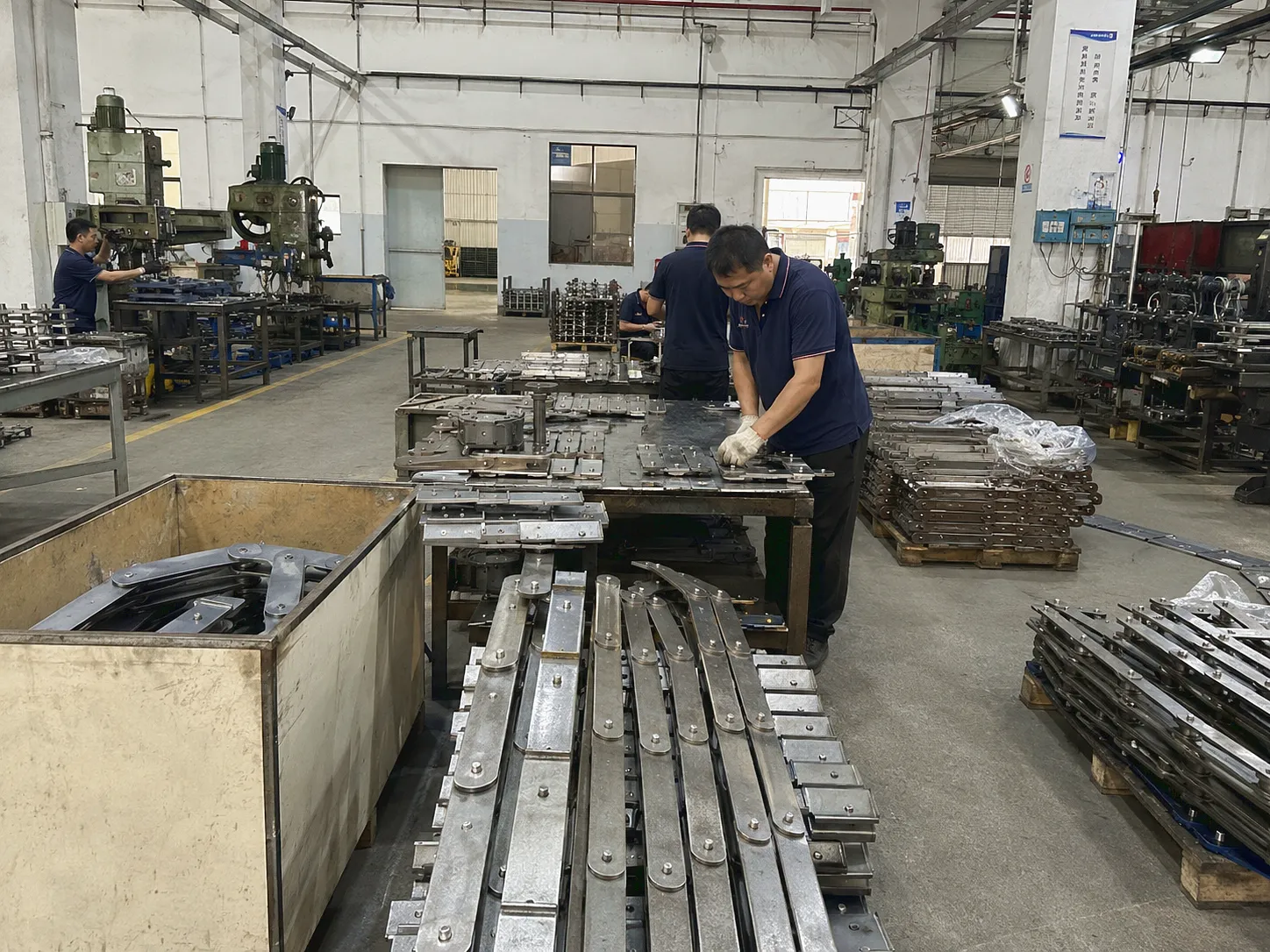
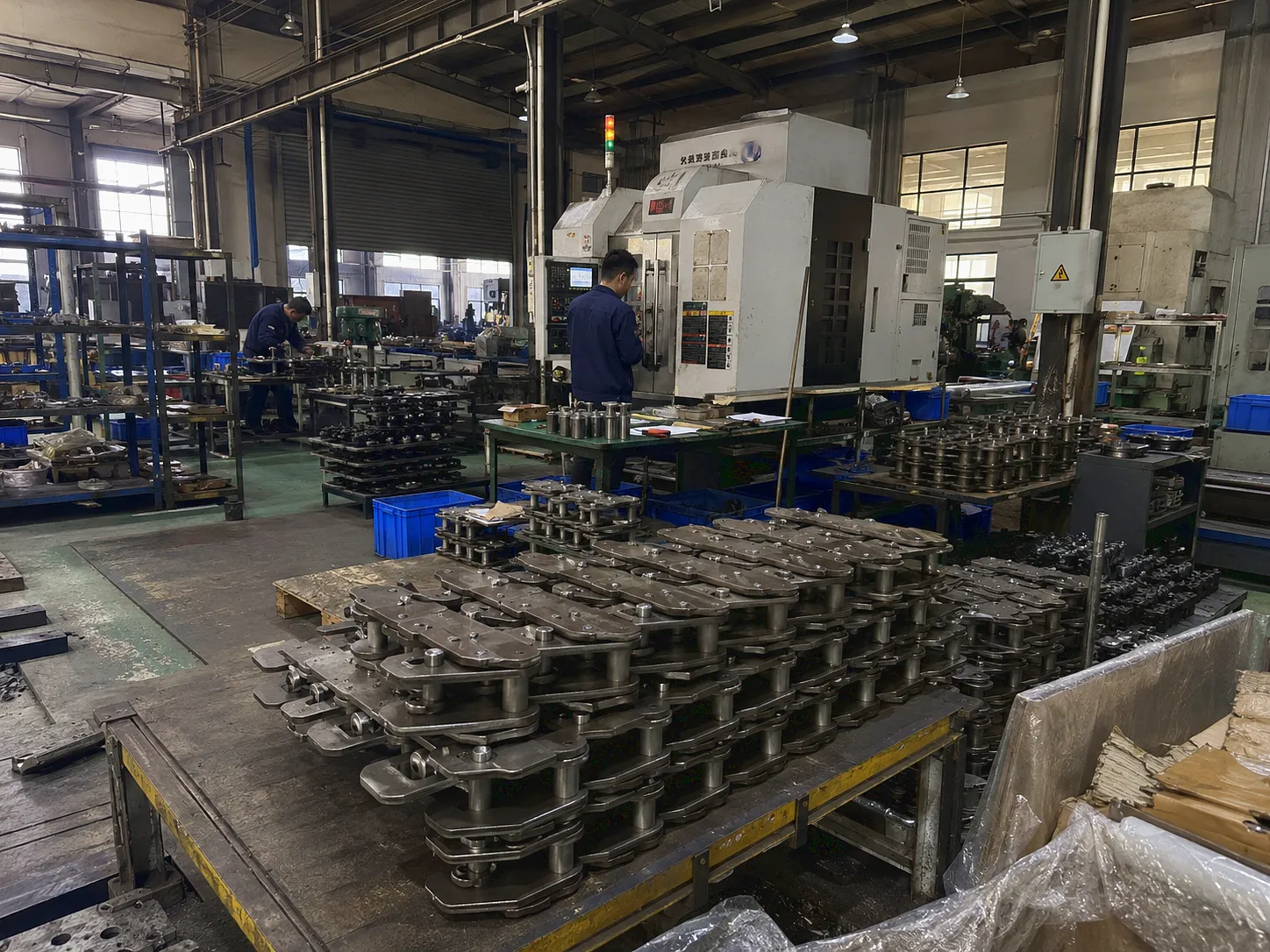
Ever Power operates a dedicated precision chain manufacturing facility producing leaf chain to ISO 4347 and ANSI B29.8 across a range of pitches from 9.525 mm to 101.6 mm. Our production lines are equipped with CNC punch presses, automated assembly machines, and an in-house metallurgical laboratory capable of verifying plate hardness, pin tensile strength, and surface coating adhesion on every production batch.
What sets us apart for cotton picker OEMs and independent repair shops in the UK is our custom engineering capability. Standard catalogue chains cover the majority of applications — but cotton picker design is evolving rapidly, and new machine generations increasingly require non-standard pitches, unusual lacing configurations, or specialty materials that off-the-shelf suppliers cannot provide. Our engineering team can design and prototype a bespoke leaf chain assembly in as little as 10 working days, with production lead times typically within 3–4 weeks for order quantities above 50 metres.
Custom services regularly requested by UK agricultural customers include: modified pitch chains to match legacy sprockets that are no longer catalogued; corrosion-resistant chains using AISI 316 stainless plates for operation in damp fenland conditions; extended-length chains supplied pre-assembled on reels for high-volume maintenance contracts; and colour-coded chains to distinguish position assignments in complex multi-chain systems where misinstallation during field service is a known risk.
Leaf Chain Maintenance for Cotton Picker Operators
Even the best leaf chain will fail prematurely if maintenance is neglected. In a cotton picker environment, the two primary failure modes are pin-plate wear (leading to pitch elongation) and plate fatigue fracture (leading to sudden chain break). Both are preventable with a structured maintenance programme.
Pitch elongation is the most common issue. ISO 4347 specifies that leaf chain should be replaced when measured pitch elongation exceeds 3% of nominal. In practice, most experienced UK cotton engineers use a 2% threshold to provide additional margin before the chain starts riding high on the sprocket teeth, which accelerates wear on both components simultaneously. A simple 30-link gauge measurement at the start and end of each season gives a reliable picture of wear rate and allows planned replacement before failure occurs.
Lubrication intervals depend heavily on the operating environment. In clean, dry conditions, leaf chains in agricultural applications can typically run 250–300 hours between re-lubrication events. In a cotton picker, where the environment is actively hostile to lubricant retention, reducing this interval to 150 hours is strongly advised. Use a penetrating chain lubricant — not a thick grease, which traps abrasive particles in the pin-plate contact zone.
| Maintenance Task | Interval | Action Limit |
|---|---|---|
| Visual inspection | Daily | Any crack → replace |
| Lubrication | 150 hr | Penetrating oil only |
| Pitch gauge check | Pre/post season | >2% elongation → replace |
| Pin diameter check | Annual | >5% wear → replace |
| Sprocket tooth wear check | Every chain change | Replace if hook-shaped |
Customer Success: Real-World Performance
Agricultural operators across multiple continents have standardised on Ever Power leaf chain for their cotton harvesting fleets. Here is one documented case study and a selection of verified customer feedback.
MacKenzie Cotton Processing Ltd, Queensland, Australia
Challenge: MacKenzie Cotton Processing operates a fleet of eight John Deere CP690 pickers across two large-scale stations in Queensland’s Darling Downs region. The company was experiencing frequent elevator chain failures — averaging 2.3 unplanned stops per machine per season — using generic chain sourced from a regional agricultural distributor. Each field stop cost an average of 4 hours of harvesting time, equating to several tonnes of unpicked cotton per event.
Solution: MacKenzie’s head maintenance engineer contacted Ever Power in early 2024 to discuss a complete chain replacement programme. After reviewing the duty cycle and failure mode analysis, we recommended upgrading from the standard BL 534 chain to our BL 646 4×6 lacing with sealed-pin construction and zinc-nickel corrosion treatment. We also provided a revised lubrication schedule specific to Queensland’s subtropical conditions and supplied a pre-packaged maintenance kit — chain, master links, lubricant — sized for each machine’s total chain count.
Result: During the 2024 harvest season (approximately 1,400 operating hours per machine), the fleet recorded zero unplanned chain-related stoppages. Season-end pitch elongation measurements showed an average of 1.4% across all elevator chains — comfortably within the replacement threshold and providing strong confidence for a second season’s service before scheduled replacement. MacKenzie has since placed a standing order for the 2025 and 2026 seasons.
We’ve been maintaining cotton pickers in the East Midlands for twelve years and the chain quality difference between Ever Power and the cheap imported stuff is immediately obvious — you can see it in the plate finish and feel it in the pin resistance. We switched our entire stock of held spare chains to Ever Power two seasons ago and haven’t had a single warranty complaint since.
As a parts distributor covering the UK agricultural market, I need suppliers who can respond quickly to emergency orders and deliver consistent spec. Ever Power turned around a custom batch of BL 844 chain for an urgent OEM requirement in 12 days. The technical support during specification was professional and accurate. Highly recommended for other UK distributors.
We import cotton pickers into Egypt from North America and the ANSI-spec chains wear out quickly in our dry, abrasive soil. Ever Power’s sealed-pin AL 1244 was the first chain that gave us a full season without needing a mid-season replacement. The elongation figures at season end were genuinely impressive — less than 1.8% across three machines running 900+ hours each.
Sourcing Leaf Chain in the United Kingdom: What Buyers Need to Know
The UK agricultural market has historically relied on a combination of domestic distributors and European imports for precision drive chain supply. Post-Brexit logistics changes have led many UK machinery workshops, agricultural contractors, and OEM service teams to re-evaluate their supply chains — seeking manufacturers with stronger direct-to-UK shipping capability, reliable stock availability, and the engineering documentation (material certificates, test reports, traceability records) now increasingly required by UK buyers operating under ISO 9001-aligned procurement programmes.
Ever Power ships directly to UK customers with standard lead times of 7–14 working days for catalogued sizes and 3–4 weeks for custom specifications. We supply with full material certifications (EN 10204 3.1 mill certificates available on request), CE marking documentation where applicable, and test reports to ISO 4347 covering tensile strength, pitch accuracy, and surface treatment. UK agricultural contractors managing equipment under FMCG supply chain audit requirements will find our documentation package meets or exceeds typical buyer requirements.
For UK machinery dealers, independent workshops, and agricultural parts wholesalers looking to stock leaf chain for the cotton picker service market, we offer structured distributor pricing tiers, consignment stock arrangements for high-volume buyers, and dedicated account management. Contact our UK sales team at [email protected] to discuss your specific stocking and supply requirements.
Direct shipping to all UK mainland addresses
Full EN 10204 3.1 material certification
7–14 day lead time, standard catalogue items
Custom engineering in 3–4 weeks production
Distributor stock and consignment arrangements
ISO 4347 & ANSI B29.8 dual certified
Жиі қойылатын сұрақтар
Common questions from UK agricultural machinery buyers, workshops, and maintenance engineers.
What type of leaf chain is best suited for a John Deere CP690 cotton picker elevator drive, and where can I get a competitive quote from a UK-compatible supplier?
BL 646 with 4×6 lacing is most widely recommended for John Deere CP690 elevator drives. Ever Power supplies direct to UK addresses.