
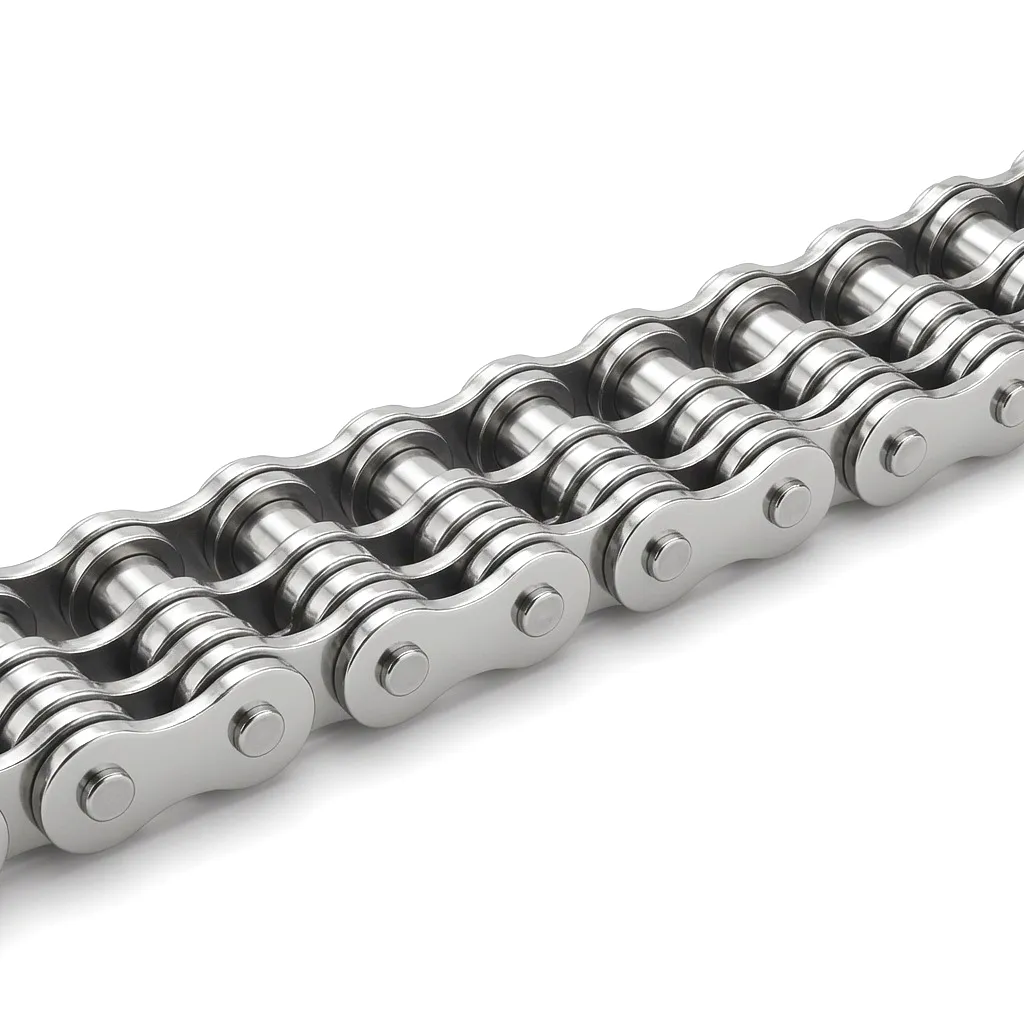
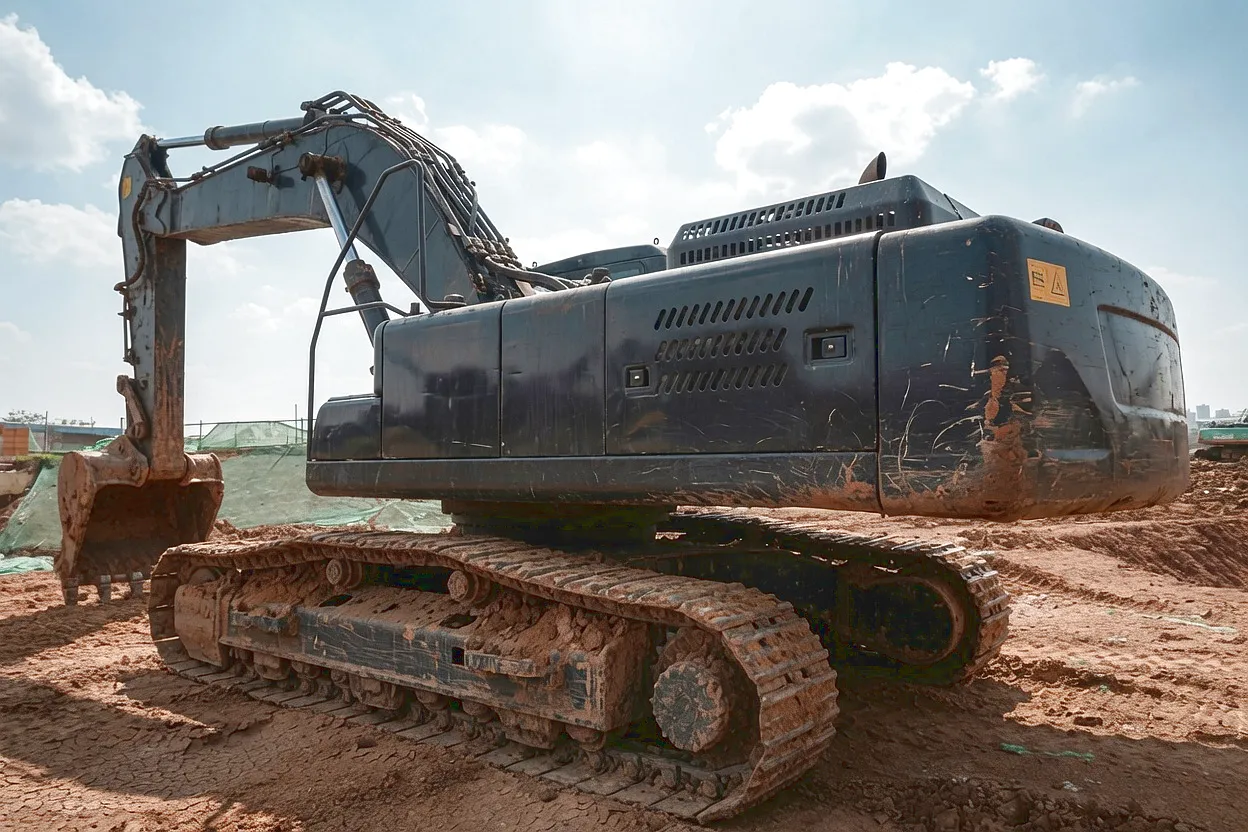
 Walk around any active construction site in Birmingham, Manchester, or on the Scottish Highlands infrastructure projects, and you will find excavators doing the work that no other machine can replicate. Digging foundations, trenching for utilities, ripping through compacted clay — these machines absorb punishment in a way that quietly destroys average-grade components. The leaf chain sitting inside the boom-cylinder assembly, anchoring the hydraulic rod to the chassis, or carrying tension loads through the undercarriage linkage is one of the most load-critical yet underappreciated parts in the entire machine. When it fails, the excavator stops. When it degrades, positioning accuracy drops, cycle times extend, and maintenance costs quietly spiral.
This guide exists because too many procurement engineers, fleet managers, and plant hire businesses across the UK are still sourcing replacement leaf chain on price alone — without understanding what separates a chain that lasts 12,000 operating hours from one that needs replacement at 3,500 hours. Over the past 18 years working in leaf chain application engineering, patterns emerge with total clarity: the right specification saves money; the wrong specification costs far more in unplanned downtime than was ever saved at the point of purchase.
✉ Get a Quote for Your Excavator Leaf Chain
Custom specifications · Fast lead times · UK-compatible standards · Free technical consultation
What Is Leaf Chain and Why Does It Belong in Every Excavator?
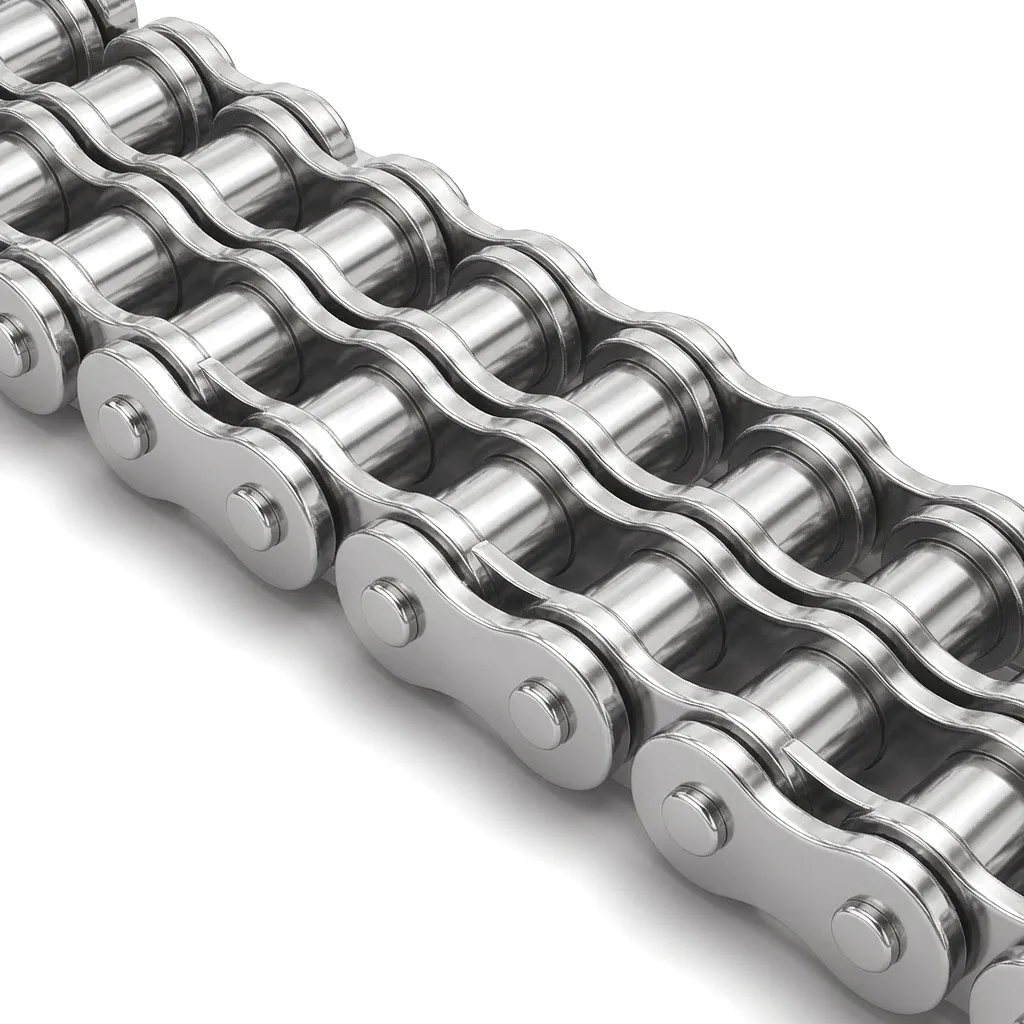
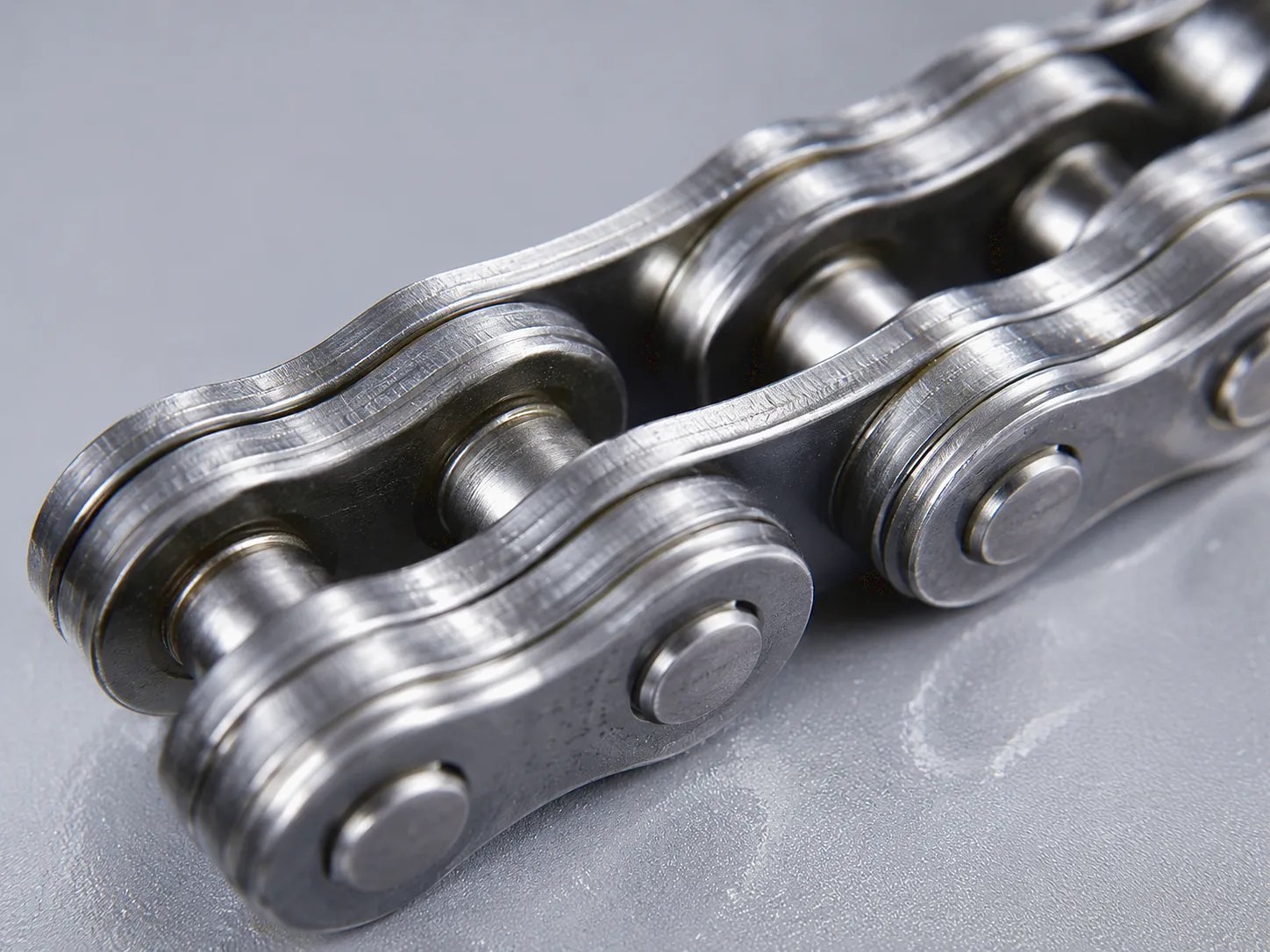
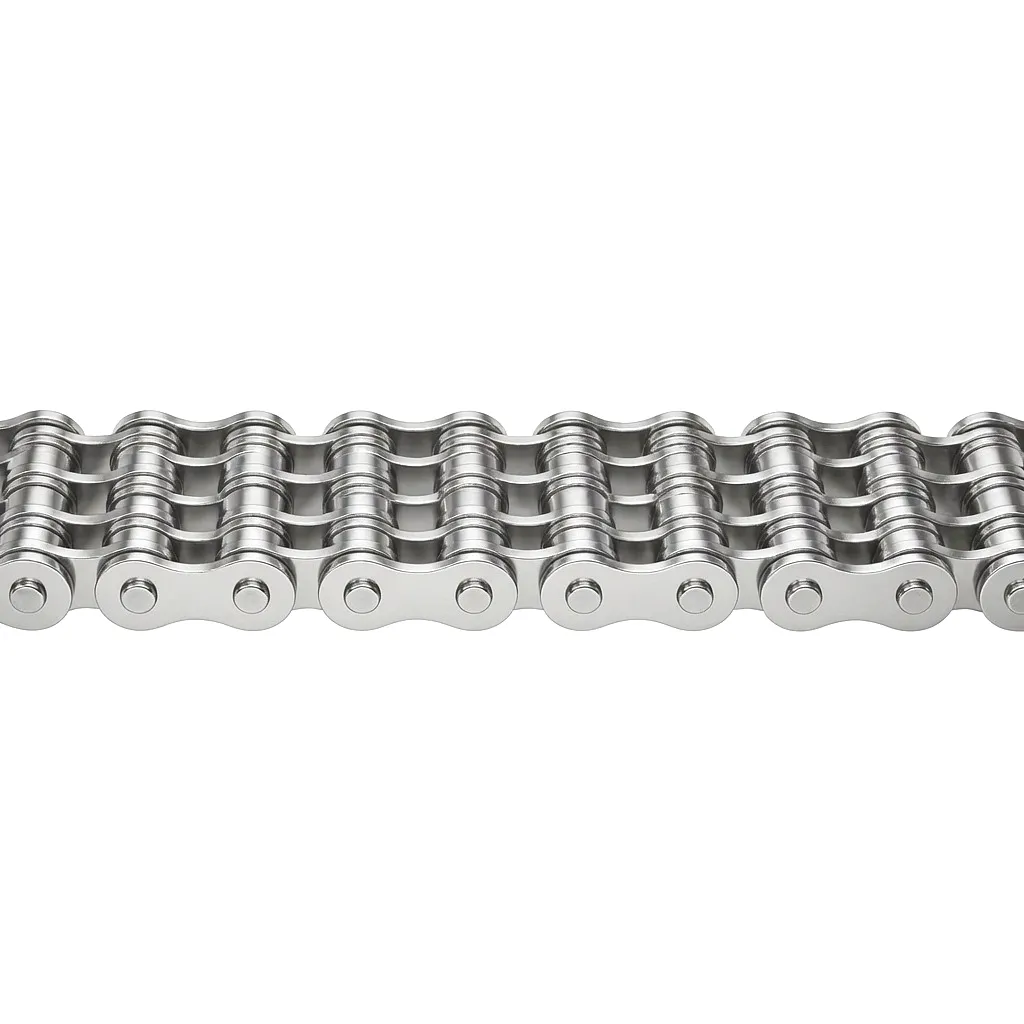
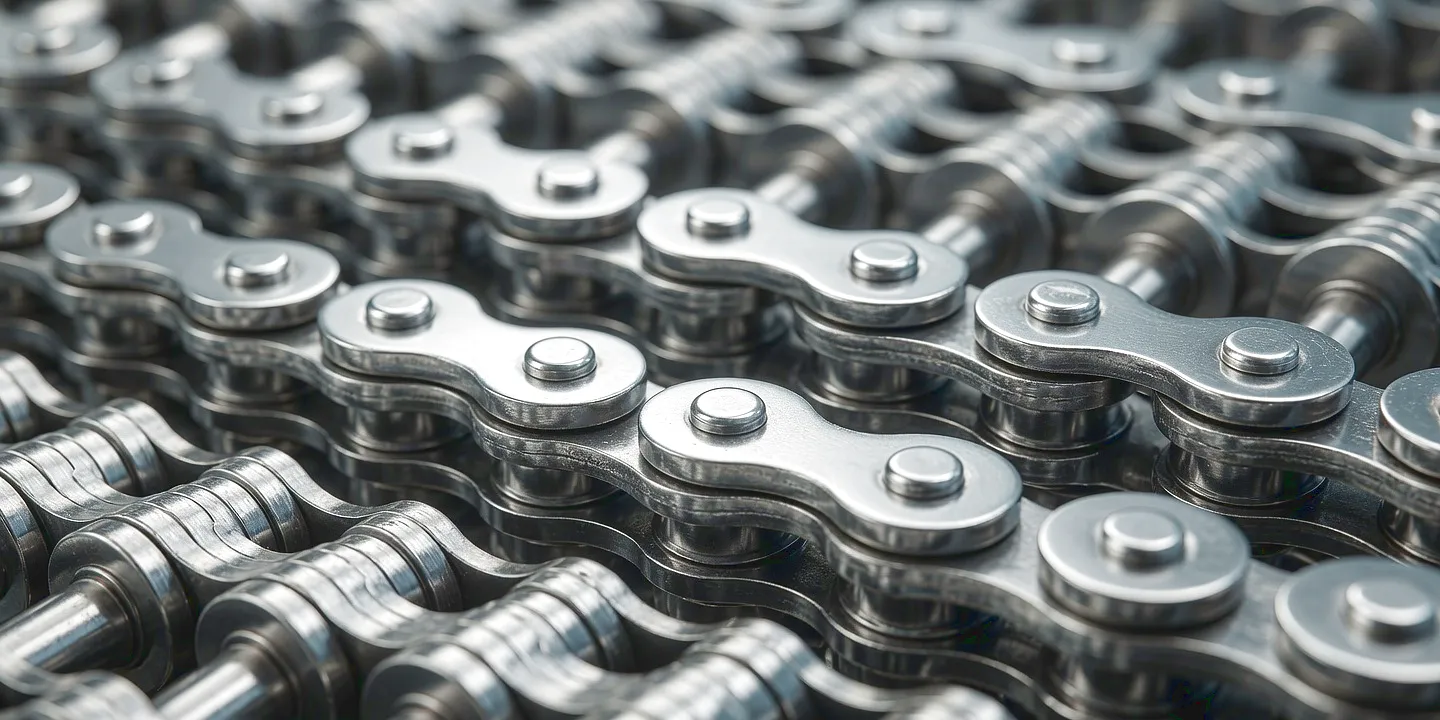
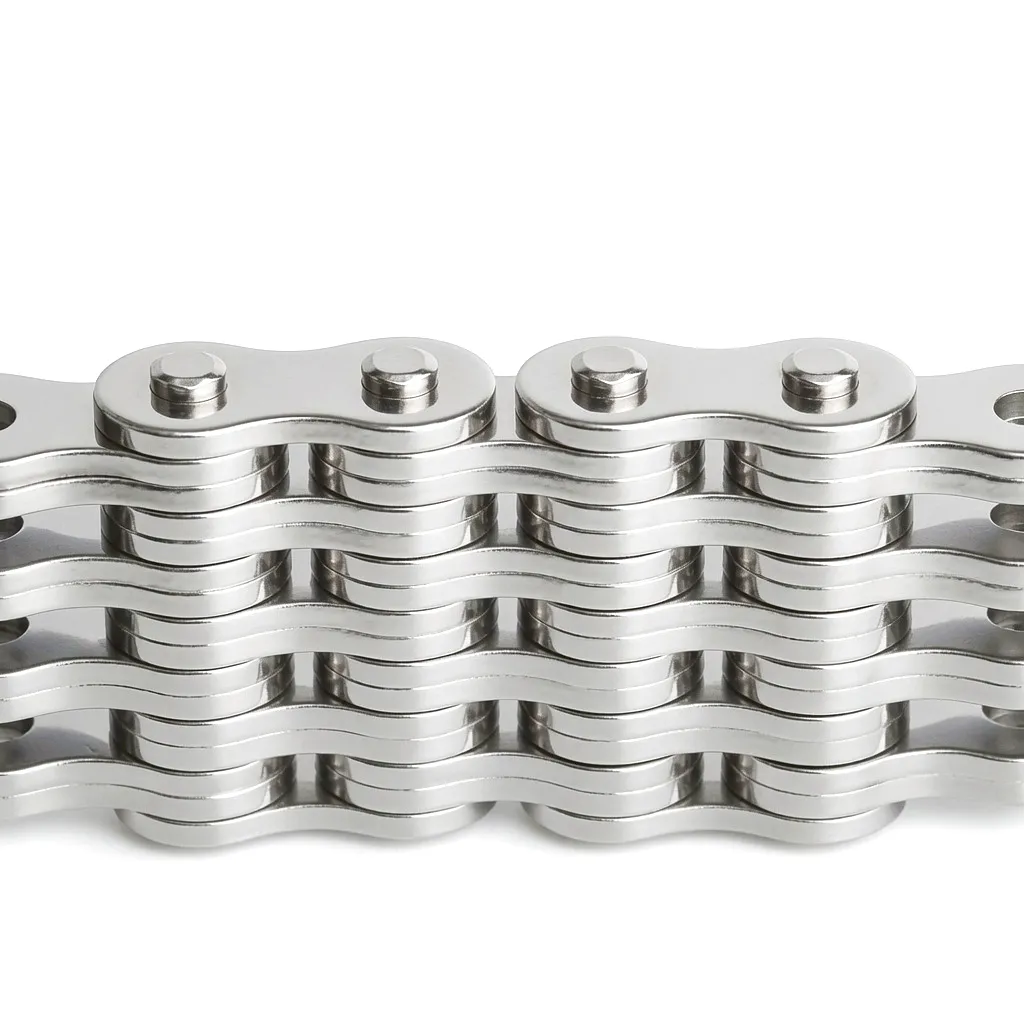
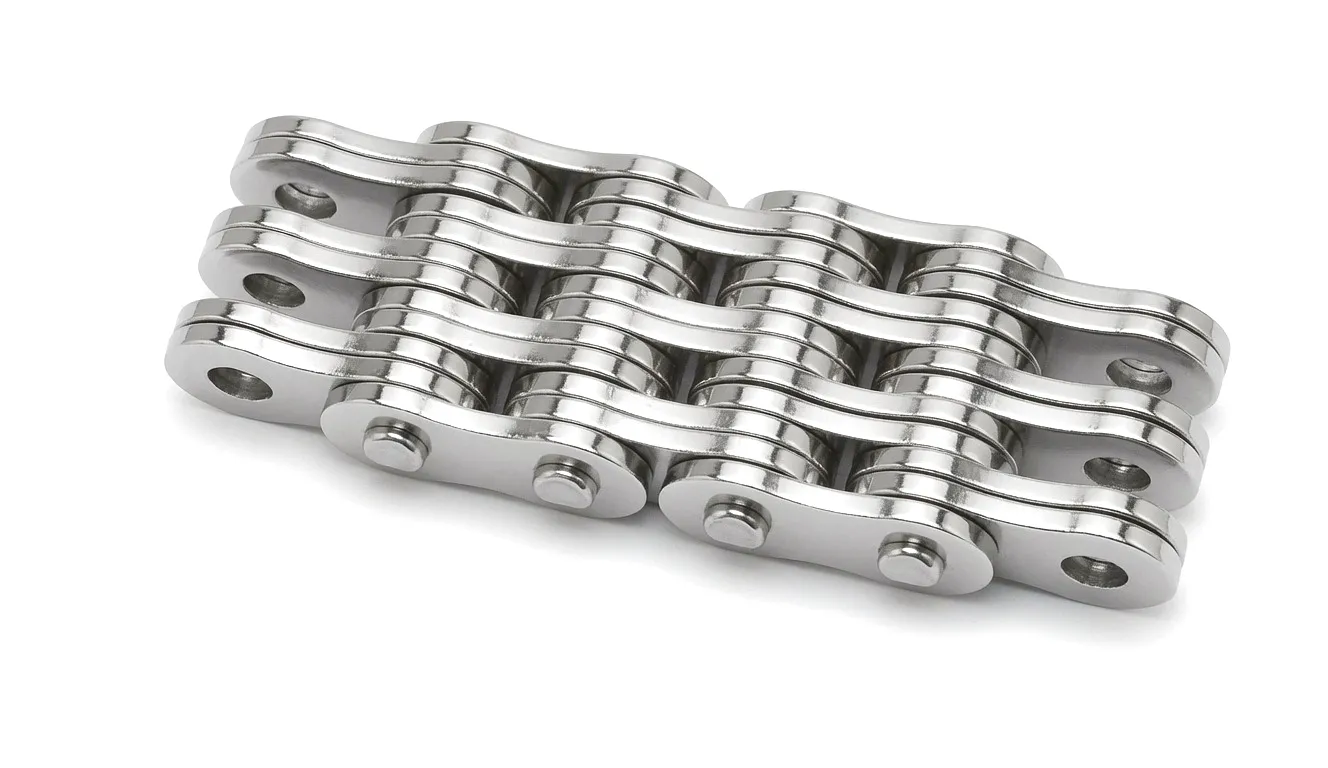
Leaf chain — sometimes called lashing chain or balance chain — is a form of link chain constructed from interlaced steel plates (leaves) pinned together without rollers. Unlike conventional roller chain designed to transmit power through sprocket engagement, leaf chain is purpose-built for tension-only applications: anchoring, balancing, and guiding rather than driving. The architecture is deceptively simple — alternating sets of link plates crimped onto precision-ground pins — but the engineering tolerances that go into every component determine whether a chain survives 10,000 hours underground or fails during a wet February morning on a Midlands infrastructure project.
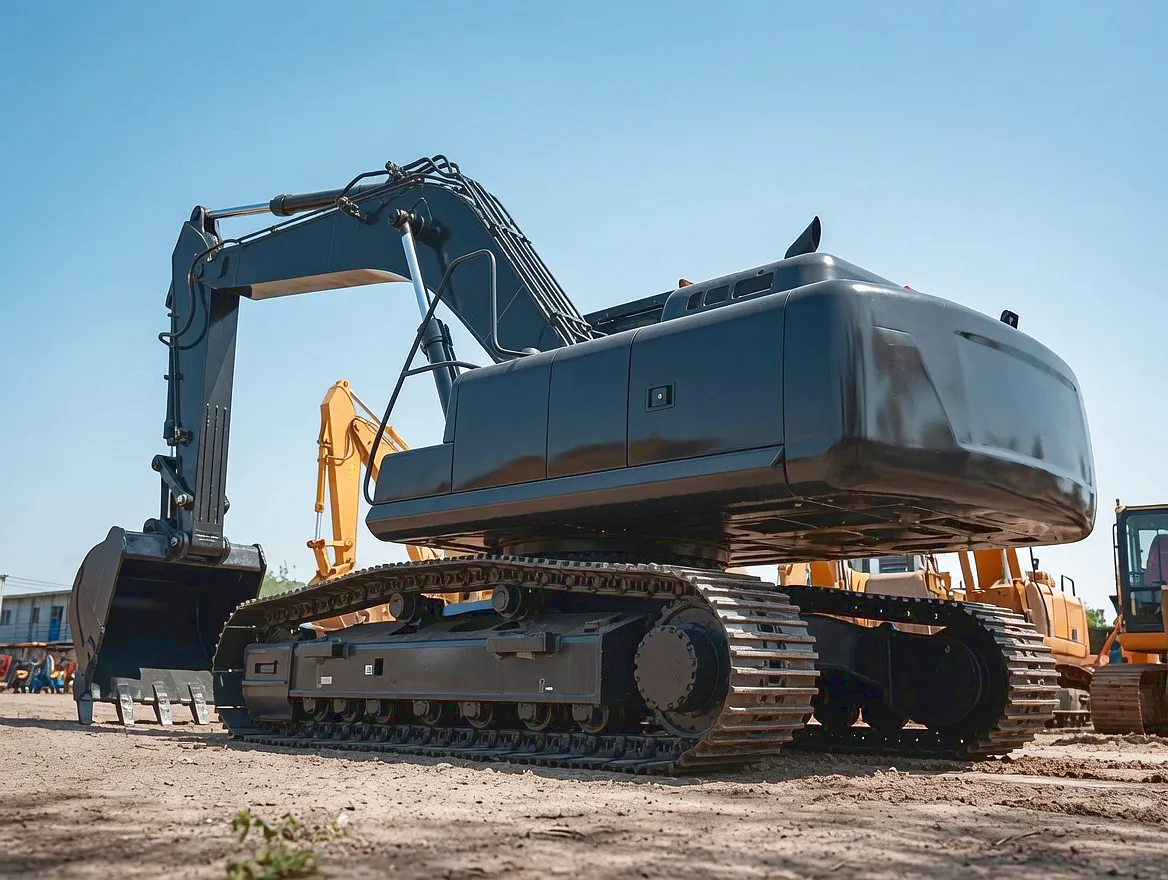
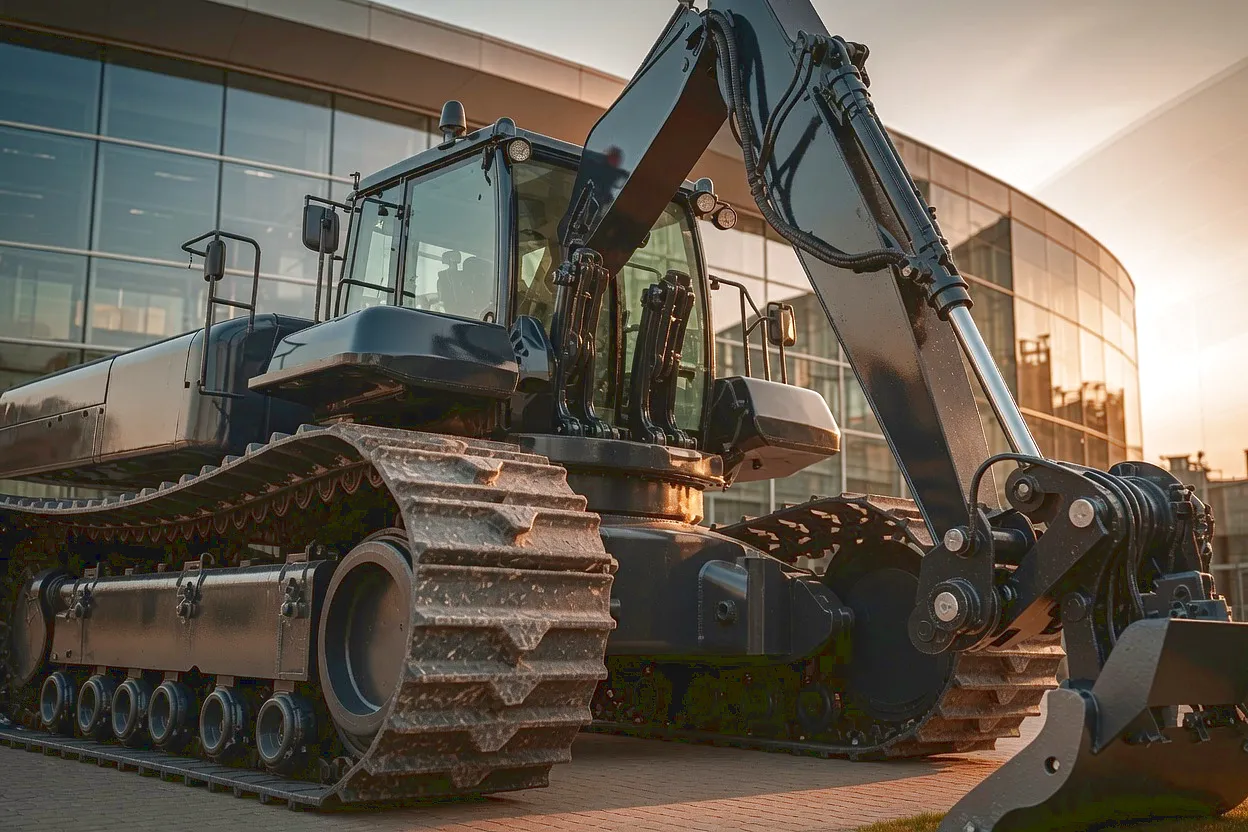
Inside a hydraulic excavator, leaf chain appears in several critical roles. The cylinder rod anchor chains absorb the full dynamic tensile load when the hydraulic ram extends under load — during hard digging cycles in clay, shale, or broken concrete, this load cycles repeatedly across millions of events throughout the machine’s service life. The mast and boom balance chain maintains the geometry of the arm assembly, compensating for cylinder extension rates across the work envelope. In larger tracked excavators operating on UK infrastructure sites — HS2 rail corridor work, Thames Tideway utility excavations, Scottish road improvements — the leaf chain must function reliably through extended shifts in wet, gritty, abrasive conditions without the luxury of frequent re-lubrication.
Maximum Tensile Strength
BL Series leaf chain for excavator applications is manufactured to achieve a minimum ultimate tensile strength of 250–1,340 kN depending on pitch and lacing, far exceeding the peak dynamic loads produced by modern 20–80 tonne excavators during hard digging cycles.
Wear Elongation Resistance
Precision-ground pins with case-hardened surfaces and tight plate tolerances restrict elongation well below the 3% replacement threshold even after thousands of hours of mud and grit exposure — critical for maintaining hydraulic positioning accuracy on UK earthmoving projects.
All-Weather UK Performance
Zinc-phosphate pre-treatment combined with oil bath lubrication in the chain cavities creates a corrosion-resistant base layer that handles the wet, salt-laden environments common on coastal UK infrastructure sites from Cornwall to the Orkney Islands.
Material Selection and Construction Principles
Link Plates
Cold-punched and precision-milled from low-alloy carbon steel with minimum surface hardness of 750–900 HV (Vickers). The multi-lacing pattern — 2×2, 3×3, 4×4, or 6×6 depending on load class — distributes tensile stress across a wider cross-section than any single-roller alternative.
Pins
Through-hardened alloy steel pins, ground to h6 tolerance (±0.006 mm), provide the wear interface. Surface hardness reaches 60–62 HRC with a tough core of 42–48 HRC to resist bending under lateral impulse loads during attachment changeovers on compact excavators.
Assembly Standard
All Ever Power leaf chains for excavators are manufactured in compliance with ISO 4347 and ANSI/ASME B29.8, with optional compliance to BS EN 818 for UK-specific lifting and anchoring applications. Full material traceability documentation is provided on request for plant hire fleet records.
The reason leaf chain outperforms wire rope and roller chain in excavator cylinder anchor applications comes down to a combination of mechanical properties that happen to match the load envelope almost perfectly. Wire rope has excellent axial tensile strength but poor resistance to fatigue when bent around small sheaves under high tension — exactly the condition inside a compact boom-cylinder. Roller chain has higher fatigue resistance but accumulates elongation through bushing and roller wear far faster than leaf chain under equivalent tensile cycling because the load is shared across fewer contact surfaces. Leaf chain’s interlaced plate geometry means the load path is distributed across double, triple, or quadruple rows of steel simultaneously, and since there are no rollers or bushings to wear hollow, elongation is almost entirely a function of pin-to-plate wear — a much more predictable and gradual process.

Technical Performance Parameters
The table below summarises key performance parameters for the BL (Broad Leaf) and AL (Articulated Leaf) series chains most commonly specified in excavator cylinder and boom anchor applications across the UK. Values are given for standard steel versions; stainless and alloy-upgraded variants are available on request. All tensile strength figures are minimum breaking loads tested to ISO 4347.
| Chain Series | Pitch (mm) | Lacing | Min. Tensile (kN) | Pin Dia. (mm) | Plate Width (mm) | Typical Application |
|---|---|---|---|---|---|---|
| BL422 | 12.70 | 2×2 | 62.3 | 7.92 | 15.8 | Mini excavator (1–3 t) |
| BL634 | 19.05 | 3×4 | 245.0 | 14.27 | 28.5 | Medium excavator (8–20 t) |
| BL844 | 25.40 | 4×4 | 569.0 | 19.05 | 44.5 | Large excavator (20–50 t) |
| BL1066 | 31.75 | 6×6 | 1,340.0 | 28.58 | 82.6 | Heavy excavator (50–80+ t) |
| AL866 | 25.40 | 6×6 | 760.0 | 22.23 | 63.5 | Mining / Quarry excavator |
* All values refer to standard carbon steel variants. Special alloy, stainless, and coated options available on request. Contact Ever Power for exact specifications matched to your machine model.
Where Leaf Chain Operates Inside an Excavator
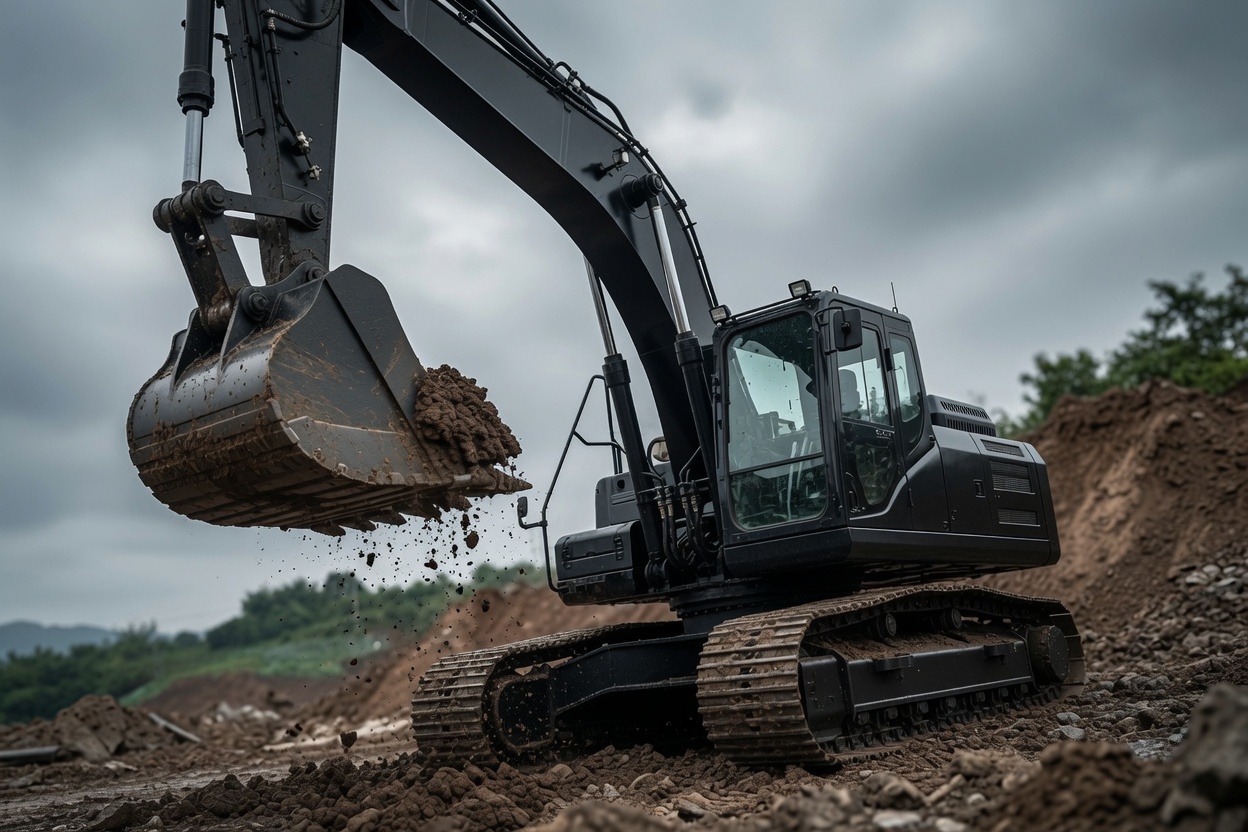
The application map of leaf chain across a modern hydraulic excavator is broader than most plant hire engineers initially expect. Each location carries different load characteristics, environmental exposure, and replacement accessibility — all of which influence the correct chain specification.
UK-Specific Application Environments
Excavator operators across England, Scotland, Wales, and Northern Ireland face an environmental profile that is genuinely more demanding than equivalents in continental Europe or North America. The combination of high annual rainfall, coastal proximity, chalk and clay soil types, and frequent freeze-thaw cycling in northern regions creates a corrosion and abrasion regime that shortens chain life measurably if the wrong specification is selected.
Excavators working on London infrastructure projects face a different challenge: the urban restricted-access environment means boom-cylinder chains often operate at the extremes of the duty cycle — frequent deep-reach work in tight sites, combined with attachment changes five or more times per day. This places premium value on chains with consistent cross-section geometry and a pin-to-plate interference fit that resists shake-out during vibration from adjacent compactor and breaker operations. Ever Power’s BL series passes a 200-hour vibration endurance test specifically designed around this UK urban use profile.
Ever Power Manufacturing: Custom Leaf Chain Solutions for Every Excavator Application
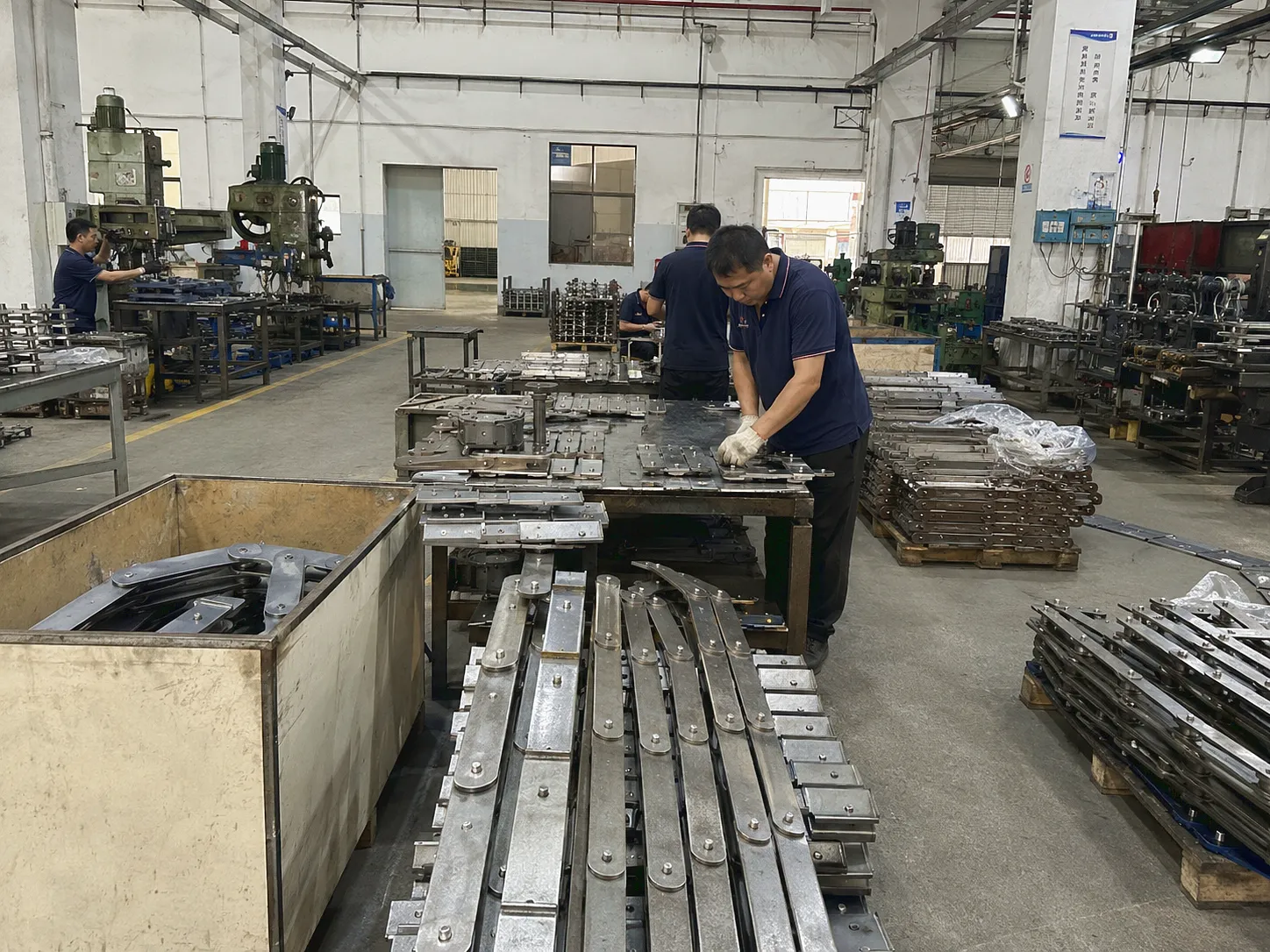
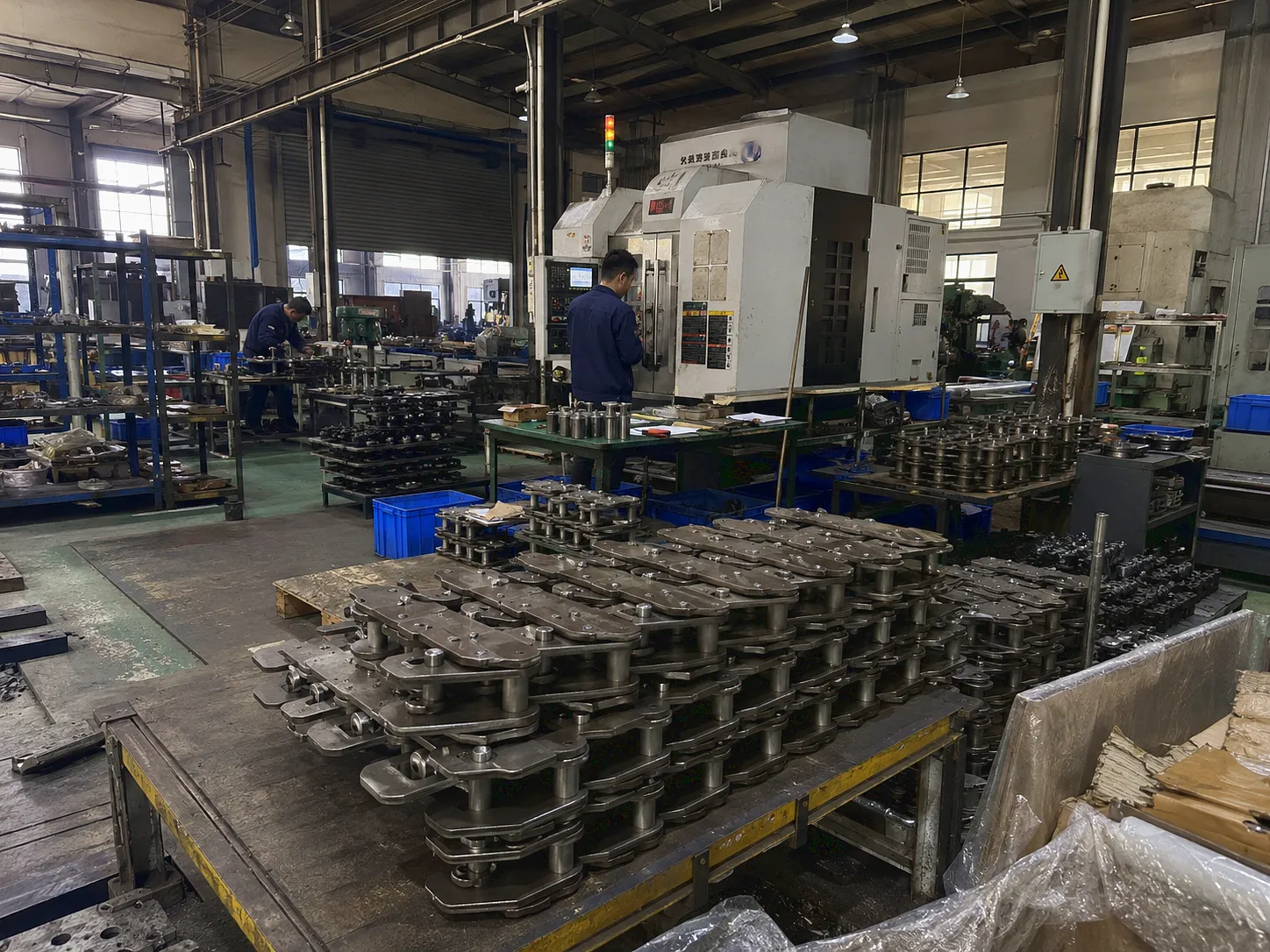
The Ever Power production facility operates on a 60,000 square-metre site with dedicated leaf chain manufacturing lines running 24 hours, five days per week. Rather than warehouse a fixed catalogue of standard sizes, we have built our production infrastructure around rapid custom specification — the ability to take a dimensional drawing and a load specification from a UK engineering team on Monday and ship a trial batch by the following Friday is a genuine differentiator in the excavator spare-parts supply chain.
Custom fabrication capabilities include non-standard pitches, special lacing combinations not found in catalogue pages, stainless steel and alloy variants for marine and coastal excavation applications, extended-length pre-assembled assemblies with termination hardware, and surface coatings beyond standard zinc-phosphate — including electroless nickel, hot-dip zinc, and black-oxide treatments for specific environmental exposure classes. Our application engineering team works directly with UK plant dealers, OEM parts buyers, and fleet maintenance managers to specify the correct chain before the order is placed — because returning an undersized chain after an excavator has been pulled off-site for maintenance is a cost that no contractor wants to absorb.
Custom Order Capabilities at a Glance
Customer Success: UK Infrastructure Contractor Cuts Excavator Downtime by 61%
Background: Meridian Civils operates a fleet of 14 Komatsu and Hitachi medium excavators across road improvement, flood defence, and utilities projects in Yorkshire and the East Midlands. In 2023, the fleet experienced nine unplanned stoppages attributable to leaf chain failure across the boom and arm cylinder assemblies — a pattern that coincided with a switch to a lower-grade replacement chain source to reduce procurement cost.
Challenge: The cheaper chain was elongating past the 3% replacement threshold in under 2,800 operating hours — roughly half the expected service life. Each unplanned stoppage cost an average of £3,200 in lost production, emergency transport, and labour. The fleet manager needed a supplier who could match exact OEM dimensions (including non-standard 22.23 mm pitch on two older Hitachi ZX210 machines) and provide consistent batch quality with documentation.
Solution: Ever Power application engineers reviewed the full fleet specification list and matched every model to the correct BL and AL series chain, including a custom 22.23 mm pitch variant for the Hitachi machines. Sample chains were dispatched within 48 hours; full fleet stock followed within three weeks. Crucially, Meridian received full material test certificates for all batches — satisfying the principal contractor documentation requirements on two active HS2-adjacent projects.
Result: Over the following 12 months, unplanned chain-related stoppages fell from nine to four events — a 55% reduction in incidents — with two of the remaining four attributable to a machine that had suffered pre-existing cylinder damage. Overall fleet downtime related to chain components fell by 61%. The annual cost of chain-related maintenance, including parts and labour, dropped by £38,000 against the previous year, more than offsetting the higher unit price of the Ever Power specification.
We had been battling chain elongation issues on our 20-tonne Komatsu PC210s for the better part of a year. Ever Power matched the OEM spec exactly and sent us a data sheet we could pass straight to the site safety file. Three thousand hours in and we have not touched those chains once.
The technical support from Ever Power before we placed the order was the deciding factor. They looked at the working load on our Cat 330 cylinder chain and pointed out we were running the previous supplier’s chain at 38% of MBL under peak dig conditions — far too close to the fatigue limit. The BL844 specification they recommended has been flawless.
We run a mixed fleet including some older JCB JS130s with non-standard cylinder anchor chains that most suppliers simply cannot match. Ever Power made us a custom batch in the right pitch and supplied it with a test certificate. That kind of flexibility is exactly what a plant hire business like ours needs from a supplier.
Selecting and Maintaining Leaf Chain in Your Excavator: A Practical UK Guide
Selection starts with three inputs: the machine model and year, the cylinder bore diameter and stroke, and the peak hydraulic operating pressure. Armed with these, an application engineer can calculate the maximum tensile load in the anchor chain, apply the correct safety factor for the duty cycle (static anchor vs high-cycle dynamic application), and specify the minimum lacing class and pitch required. For UK contractors dealing with legacy machines or non-standard aftermarket cylinder replacements, dimensional measurement is the most reliable starting point — measure the existing chain’s pitch (centre-to-centre between pins) and count the lacing plates in cross-section.
| Condition / Symptom | Measurement | Action |
|---|---|---|
| Pitch elongation | > 3% over 12-pitch span | Replace immediately |
| Pin diameter reduction | > 5% diameter loss | Replace immediately |
| Plate cracking / corrosion pitting | Any visible crack | Replace immediately |
| Dry pin surfaces (no oil film) | Visual inspection | Lubricate within 50 h |
| Stiff link joints | Manual flex test | Clean and lubricate; monitor |
| Scheduled inspection interval | Every 500 h or annually | Full dimensional check |
Lubrication is the single most cost-effective maintenance intervention available. Chain operating in an open environment — particularly on excavators working in Scottish uplands or coastal conditions — should receive a penetrating oil lubrication every 250 operating hours as a minimum, using SAE 30–40 mineral oil applied with a brush or oil-bath immersion rather than aerosol spray, which fails to penetrate the pin-to-plate interface adequately. In continuous high-cycle applications such as utility trenching, a 150-hour lubrication interval is more appropriate. The reward for this discipline is measurable: field data shows that properly lubricated leaf chain achieves 40–70% more service life before reaching the 3% elongation replacement threshold compared to unlubricated chain in the same application.

Frequently Asked Questions
The Bottom Line for UK Excavator Operators and Fleet Managers
Leaf chain is not a commodity component. Inside an excavator working 10-hour shifts on competitive UK programme work, the difference between a correctly specified leaf chain assembly and a price-driven substitute is not theoretical — it is measured in unplanned stoppages, programme delays, and eventual replacement costs that substantially exceed the original purchase price differential. The total cost calculation almost always favours quality specification.
Ever Power brings 18-plus years of leaf chain application experience to every order, whether that is a single replacement assembly for a compact 1.5-tonne machine on a London basement dig or a standing order covering a fleet of 30 large excavators working across a multi-year UK infrastructure framework contract. The specification consultation is free. The application engineering support is free. The documentation to satisfy your project and compliance requirements comes with every order as standard. What changes is simply the quality and service life of the chain itself.