
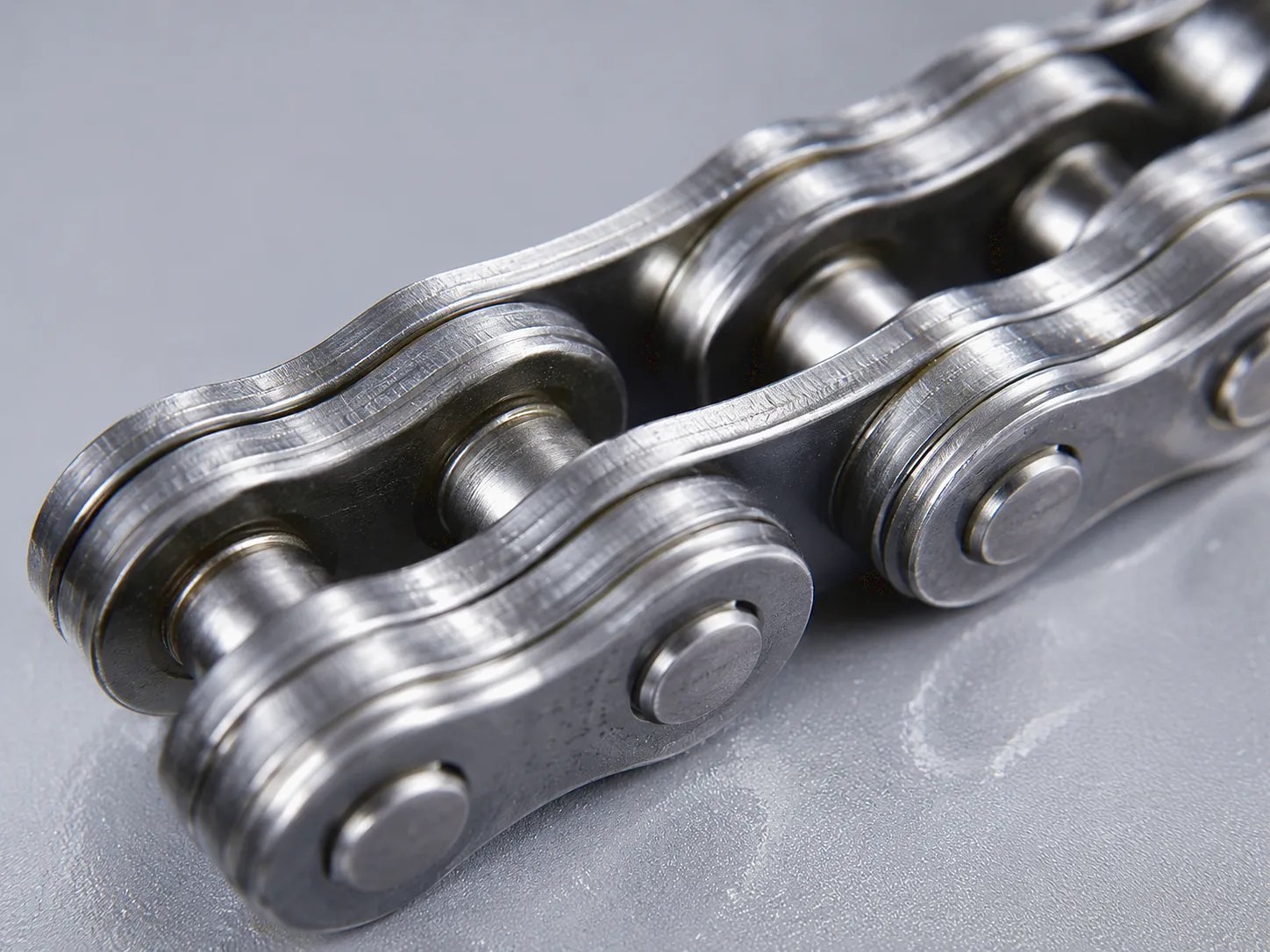
Why Telehandlers Demand the Best Leaf Chain
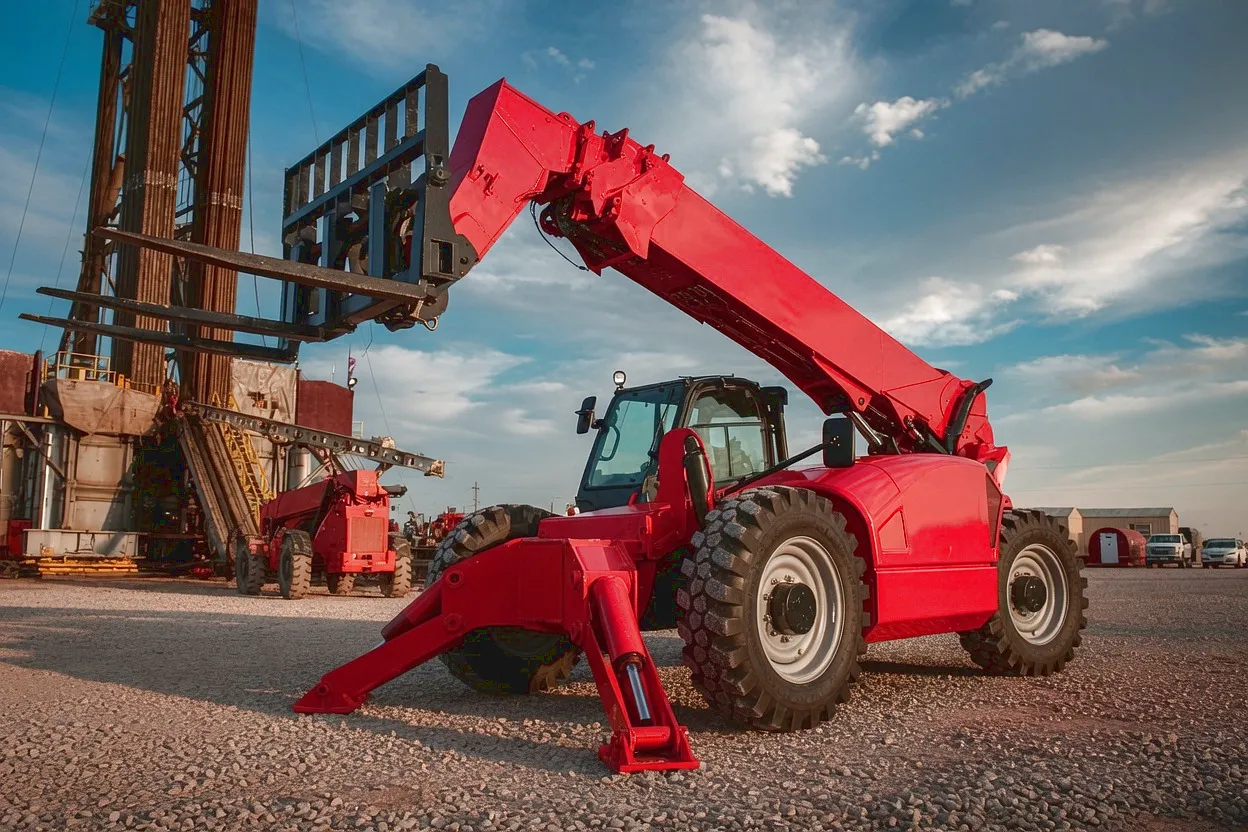
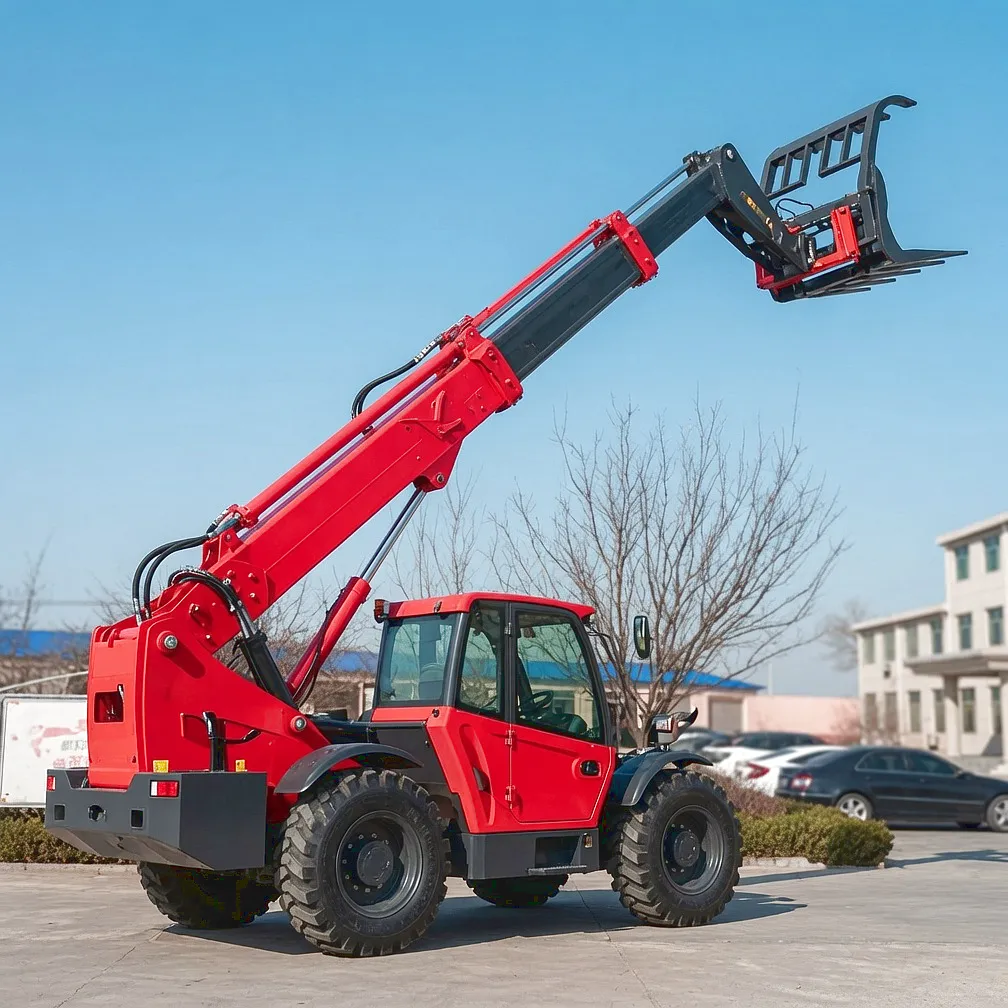
The telehandler — also called a telescopic handler — is one of the most versatile machines on any UK construction site, agricultural yard, or industrial facility. Unlike a standard forklift, it combines the reach of a crane with the manoeuvrability of a loader, extending its boom forward and upward to place loads at height, often in confined or uneven environments. That range of motion places extraordinary mechanical demands on every component in the lifting circuit, and no component faces higher cyclical stress than the leaf chain running through the mast and boom assembly.
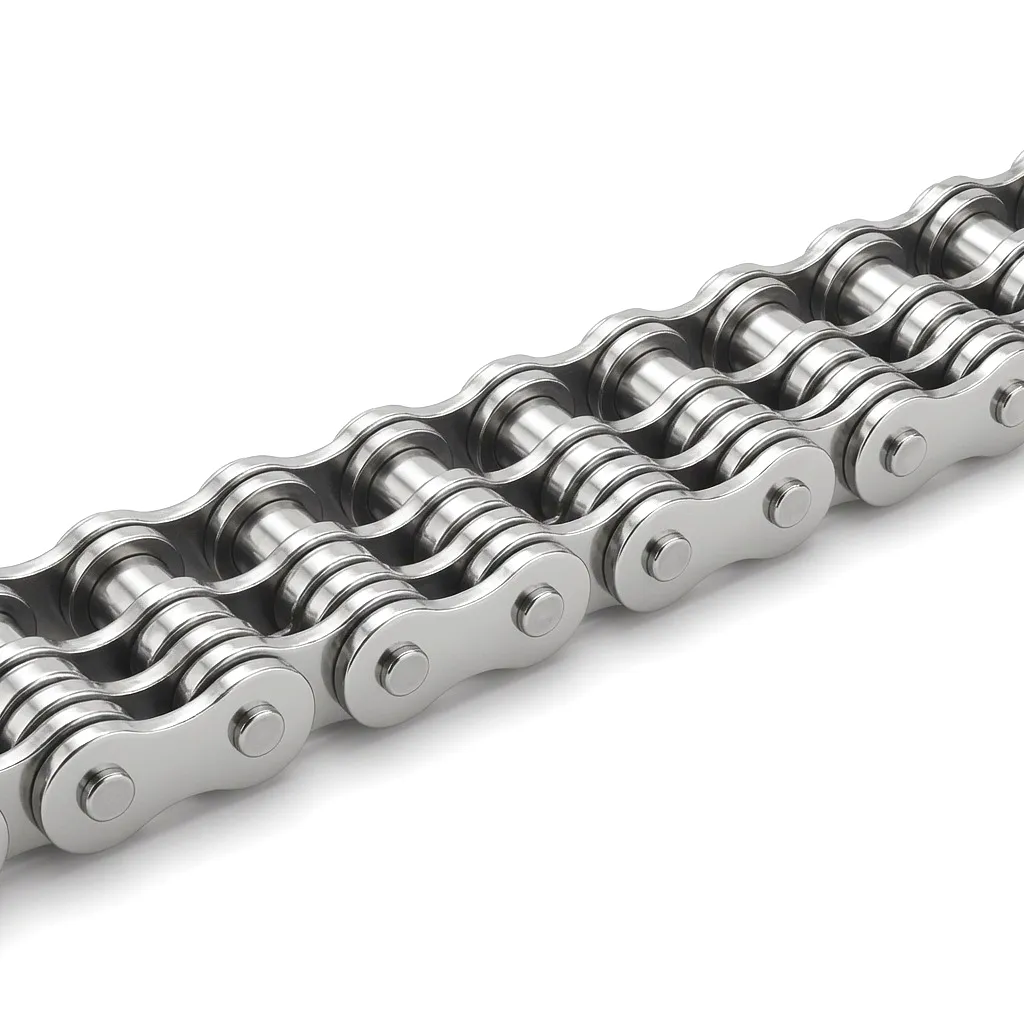
A leaf chain — sometimes called a lacing chain or balance chain — is a type of roller-free flat link chain engineered specifically for tension-only applications. Rather than transmitting rotary power the way a drive chain does, a leaf chain carries pure tensile load: it connects the free-lift cylinder rod to the mast carriage, balances the tilt cylinder, and guides the elevation path of the boom during both extension and retraction. In a telehandler rated at 3.5 tonnes, the leaf chain may be subjected to dynamic loads two to three times that nominal figure during rapid directional changes, emergency stops, or uneven ground conditions.
Leaf chains carry pure tensile loads up to 3× nominal capacity under dynamic conditions
EN 818-7 and ISO 4347 are the critical compliance standards for UK telehandler chains
Carbon steel and alloy steel grades available for both OEM and aftermarket installations
UK construction sector uses over 40,000 telehandlers — all requiring periodic chain replacement
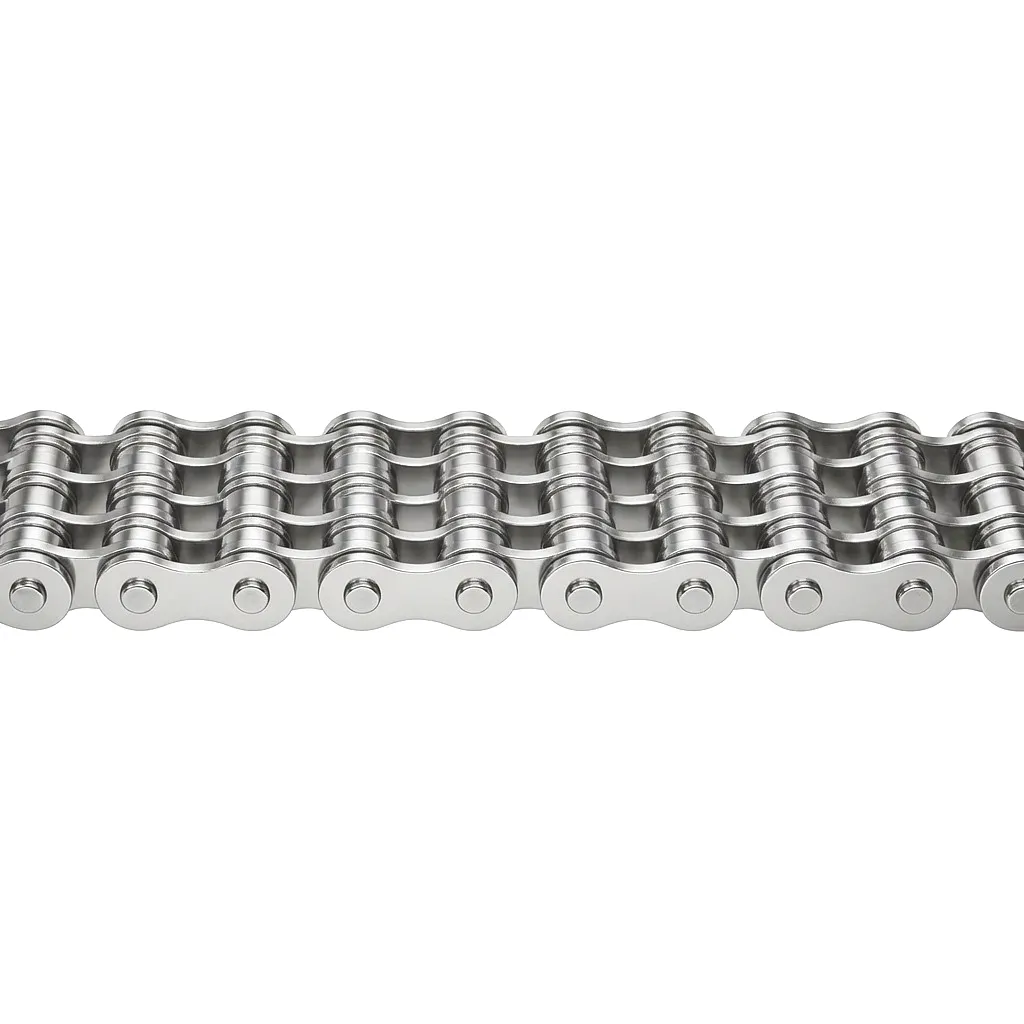
How Leaf Chain Actually Works Inside a Telescopic Handler
Inside the boom assembly of a modern telehandler, you will typically find two separate leaf chain systems working in concert. The first is the extension chain, which connects the second-stage boom section to the first-stage outer boom, pulling the inner sections forward as the hydraulic cylinder extends. The second is the retraction chain — or crowd chain — which reverses that motion, pulling the inner boom sections back in as the cylinder retracts. On machines with three- or four-stage booms, this telescoping arrangement multiplies the number of chains and significantly increases the complexity of the load-path geometry.
The fork carriage elevation system, meanwhile, uses a separate leaf chain running over the free-lift sheave. As the main lift cylinder extends, it pushes the inner mast upward and simultaneously feeds slack into the carriage chain, which is taken up by the pulley to raise the forks. This clever reeving arrangement means the carriage can travel the full height of the inner mast before the outer mast begins to elevate — maximising lift height within a compact collapsed dimension, which is critical for working inside warehouses, farm buildings, or low-clearance structures common across the British Isles.
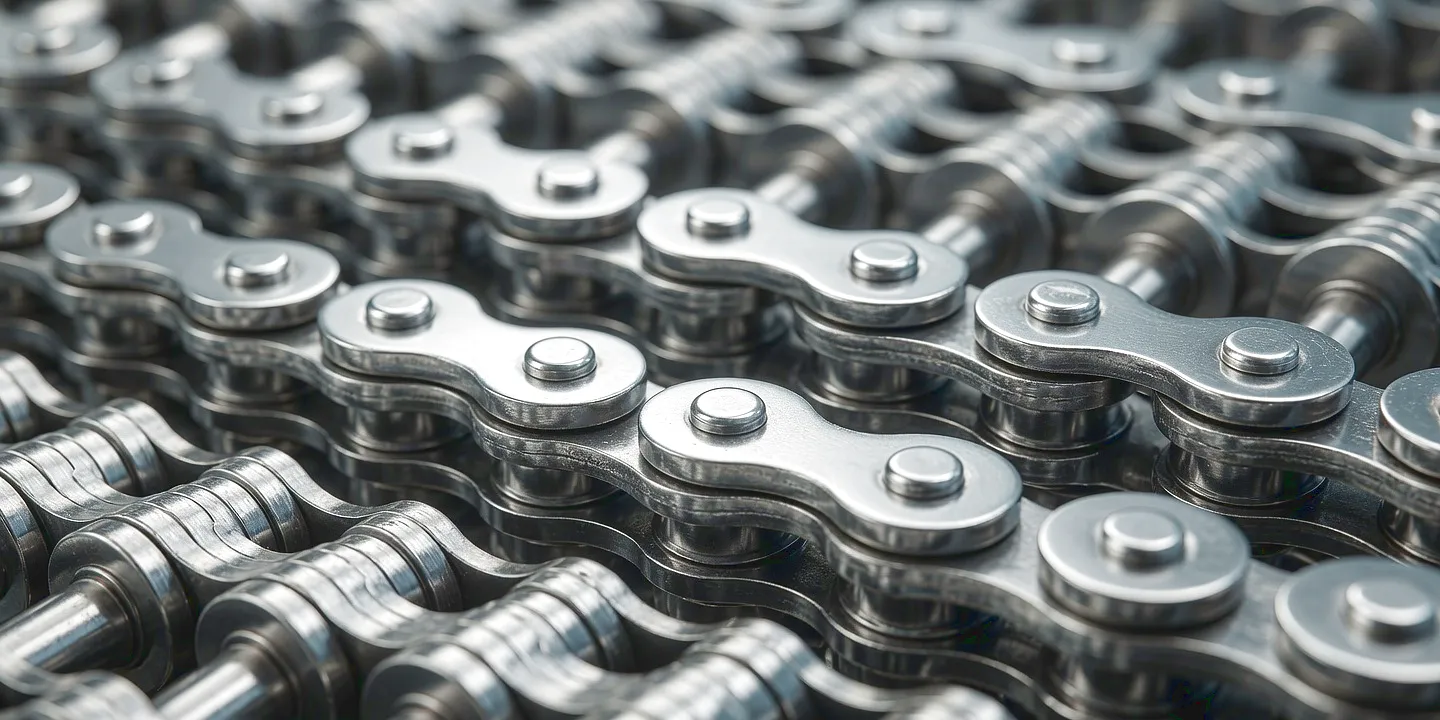
What makes all of this work reliably under repeated loading is the construction of the leaf chain itself. Unlike a roller chain, which relies on rollers to reduce friction against sprockets, a leaf chain uses interlaced link plates — lacing plates — held together by precision-ground pins. There are no rollers, no bushings, and no internal components that can seize or collapse under compression. The result is a chain that is remarkably thin for its tensile strength, flexible enough to travel over small-diameter sheaves, and resistant to side-loading — exactly the conditions found in a telehandler boom.
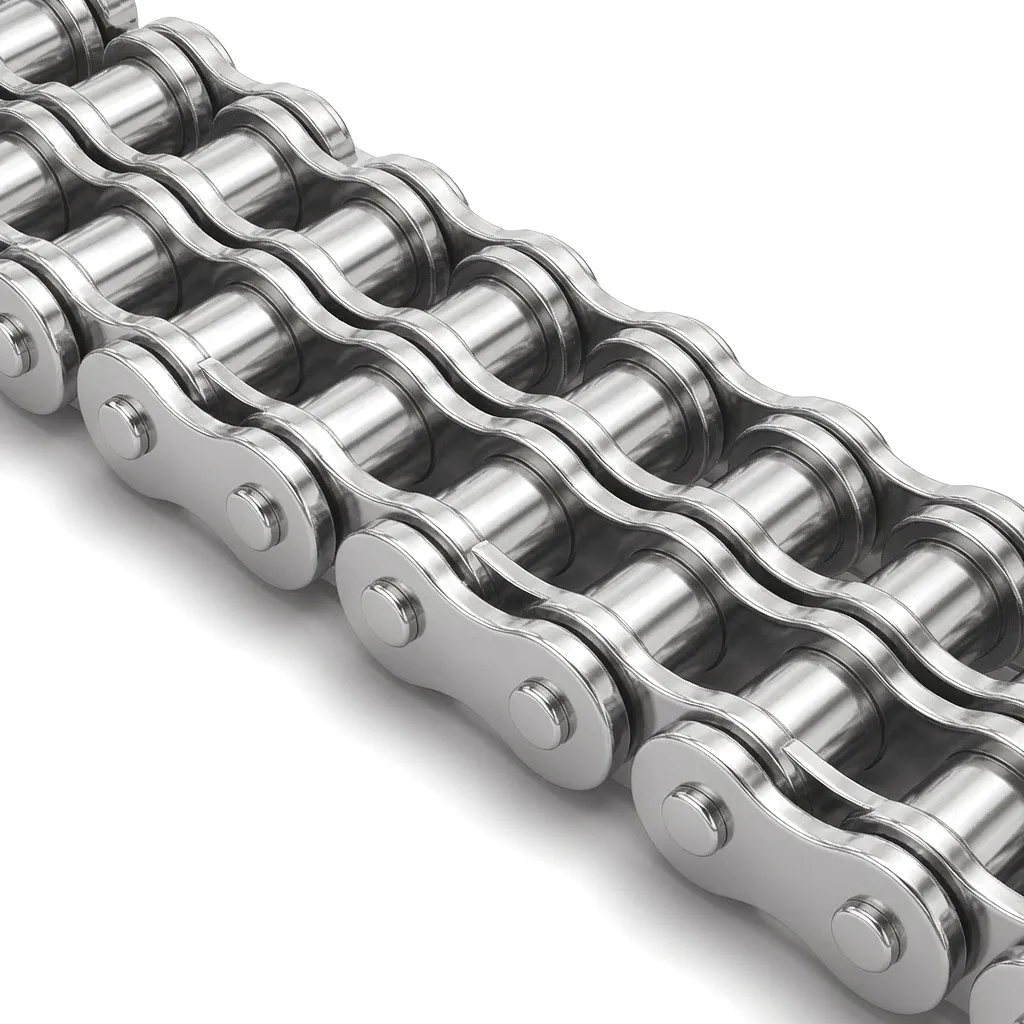
The absence of rollers and bushings in leaf chain design means the chain can flex cleanly over sheaves as small as 40–50mm in diameter, essential for compact telehandler boom sections where space is at a premium.
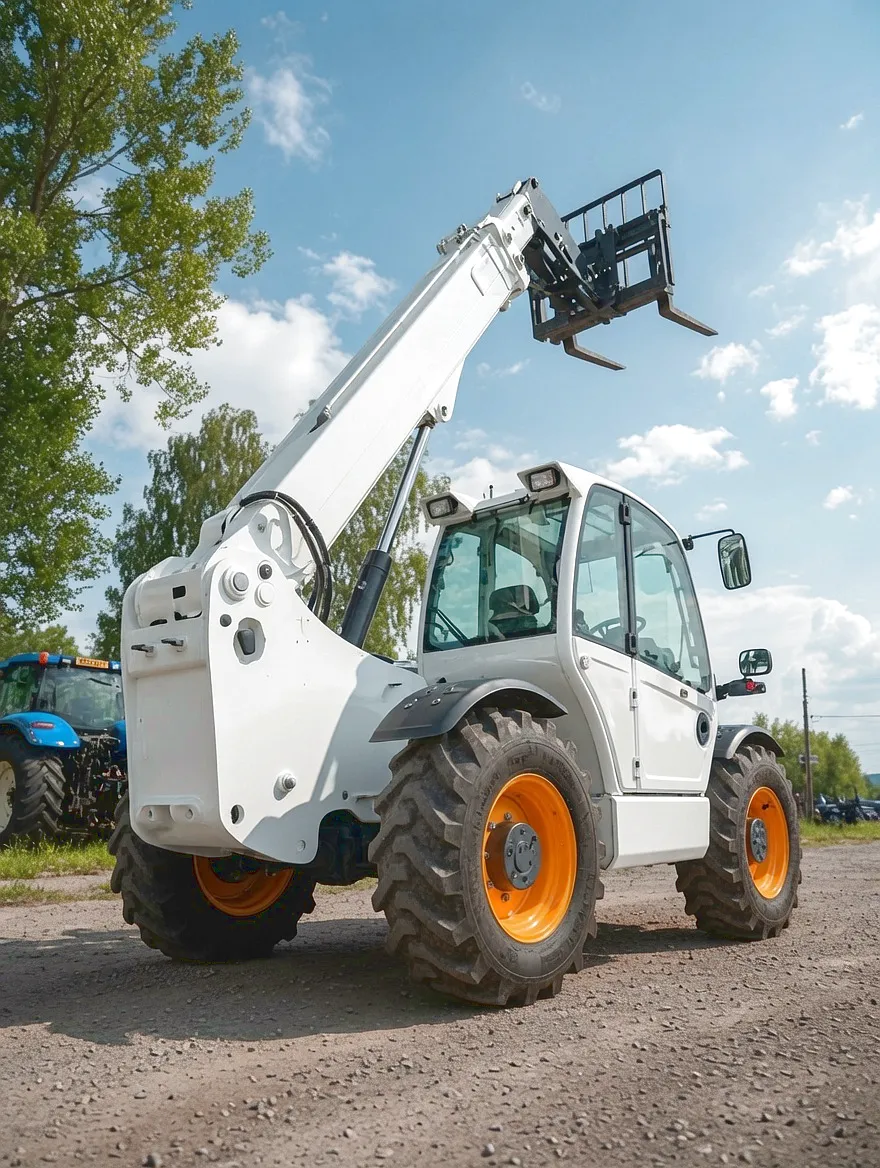

Technical Specifications: Ever Power Leaf Chain Range
Selecting the correct leaf chain grade and size for a telehandler requires matching the chain’s breaking load, pitch, and lacing configuration to the machine’s rated capacity, cylinder geometry, and expected duty cycle. The table below shows standard specifications from Ever Power’s leaf chain programme, which covers the most common telehandler platforms operating across the United Kingdom.
| Chain Type | Pitch (mm) | Lacing | Min. Breaking Load (kN) | Material | Typical Telehandler Rating |
|---|---|---|---|---|---|
| AL422 | 25.40 | 4 × 2 | 91.2 | Carbon Steel | Up to 2.0 t |
| AL644 | 38.10 | 6 × 4 | 248.5 | Alloy Steel | 2.0 – 3.5 t |
| AL822 | 50.80 | 8 × 2 | 340.8 | Alloy Steel | 3.5 – 5.0 t |
| AL1044 | 63.50 | 10 × 4 | 518.0 | High-Alloy Steel | 5.0 – 7.0 t |
| AL1266 | 76.20 | 12 × 6 | 720.0 | High-Alloy Steel | 7.0 t and above |
All minimum breaking loads comply with ISO 4347. Material certifications available on request. Custom pitch and lacing configurations available for OEM programmes.
Materials, Construction, and Compliance Standards

The quality of a leaf chain begins with its steel. Ever Power uses case-hardened alloy steel for the link plates, which achieves surface hardness in the range of 58–62 HRC while maintaining a tough, ductile core capable of absorbing shock loads without brittle fracture. This dual-property structure is critical in telehandler applications, where the chain may experience sudden shock loading if the machine is driven over rough ground with a suspended load — a situation that happens regularly on UK construction sites and farms.
The connecting pins are manufactured from through-hardened alloy steel, precision-ground to tolerances of ±0.005mm, and press-fitted into the outer plates to prevent rotation — a failure mode that leads to accelerated bore wear and eventual pin pull-out. Inner plates are coined to improve fatigue life at the critical zone around the pin bore, a manufacturing refinement that extends service life by up to 30% compared to un-coined alternatives. Every link plate passes through an automated vision inspection system before assembly, screening for micro-cracks, surface inclusions, and dimensional non-conformance.
From a compliance standpoint, leaf chains supplied into the UK market for telehandler applications must conform to ISO 4347 (leafchain — ultimate breaking load, dimensions, tolerances) and, for lifting equipment more broadly, to LOLER 1998 (Lifting Operations and Lifting Equipment Regulations), which requires that lifting accessories are of adequate strength and stability. Chains that meet the EN 818-7 specification for short link chains for lifting are also accepted by most UK machinery OEMs, and Ever Power manufactures chains that carry documentation for both standards.
Why Ever Power Leaf Chain Outperforms Generic Alternatives
Not all leaf chains are created equal. The difference between a premium manufactured chain and a budget import becomes apparent not at the point of purchase, but three months into a demanding UK construction season.
Coined inner plates and precision-ground pins deliver fatigue life up to 40% longer than non-coined alternatives, reducing replacement frequency on high-cycle telehandler fleets.
Pin diameter tolerances held to ±0.005mm ensure consistent reeving over sheaves, preventing uneven load distribution that causes premature plate cracking on one side of the chain.
Zinc-phosphate pre-treatment and specialist chain lubricant applied during assembly provide corrosion resistance suited to Britain’s wet winters and heavy mud environments on agricultural and civil engineering sites.
ISO 4347 test certificates, material traceability records, and CoC (Certificate of Conformity) supplied with every order — essential for LOLER-compliant maintenance records in the UK.
Drop-in compatible with JCB, Manitou, Merlo, Dieci, Liebherr, and Caterpillar telehandler models — no modification needed at the reeving points or anchor pins.
Bespoke cut lengths, special end fittings, and non-standard lacing patterns manufactured to drawing — ideal for fleet operators running specialised lifting attachments or bespoke telehandler builds.
Telehandler Leaf Chain: Sector-by-Sector Application Breakdown
The UK’s telehandler fleet serves remarkably diverse sectors, and the demands placed on leaf chain vary significantly across them. Understanding the specific stress profile of each application helps procurement teams specify the right chain grade and establish appropriate inspection intervals.
Inspection, Lubrication, and Replacement: What UK Operators Need to Know
Leaf chain maintenance is not optional in the UK — it is a legal requirement under LOLER 1998, which mandates that lifting equipment and lifting accessories are examined by a competent person at least every six months (or more frequently based on risk assessment). For telehandler leaf chains, the competent person should measure the pitch elongation of the chain at multiple points along its working length, check for cracked or distorted link plates, assess pin rotation, examine anchor pin bores for wear, and confirm that the sheaves over which the chain travels have not developed a flat or uneven profile that would cause uneven chain loading.
The standard replacement criterion for leaf chains on industrial lift trucks — and by extension, telehandlers — is pitch elongation of more than 3% of the nominal pitch. In practice, most fleet maintenance managers replace chains at 2% elongation when the machine is operating in high-cycle applications, because the remaining margin to failure is too narrow to be comfortable in a safety-critical lifting circuit. Elongation is measured with a calibrated pitch gauge, comparing the measured distance over a fixed number of links against the nominal value from the chain manufacturer’s documentation.
Lubrication is equally important. A dry leaf chain will elongate far faster than a well-maintained one, and the pin-bore contact surfaces generate heat from friction that eventually leads to case hardening failure and link plate cracking. The recommended lubricant for UK telehandler leaf chains is a penetrating chain oil with a viscosity grade of ISO VG 100–150, applied to both sides of the chain with the machine in the service position. In high-pressure-wash environments like farm yards, re-lubrication should occur after every washing cycle, as water ingress replaces oil at the pin/plate interface within minutes.
Ever Power Manufacturing: Precision at Scale, Custom on Demand
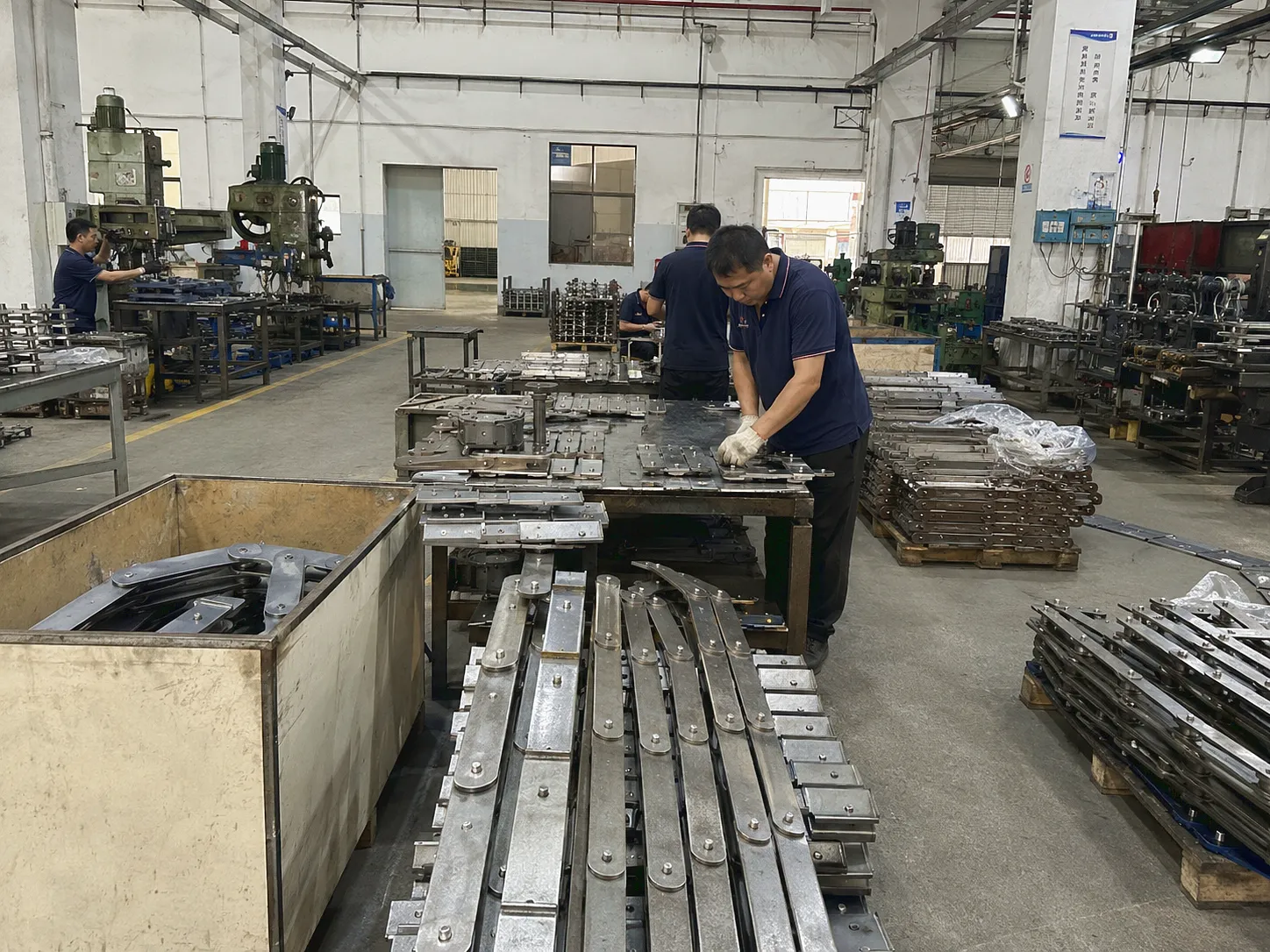
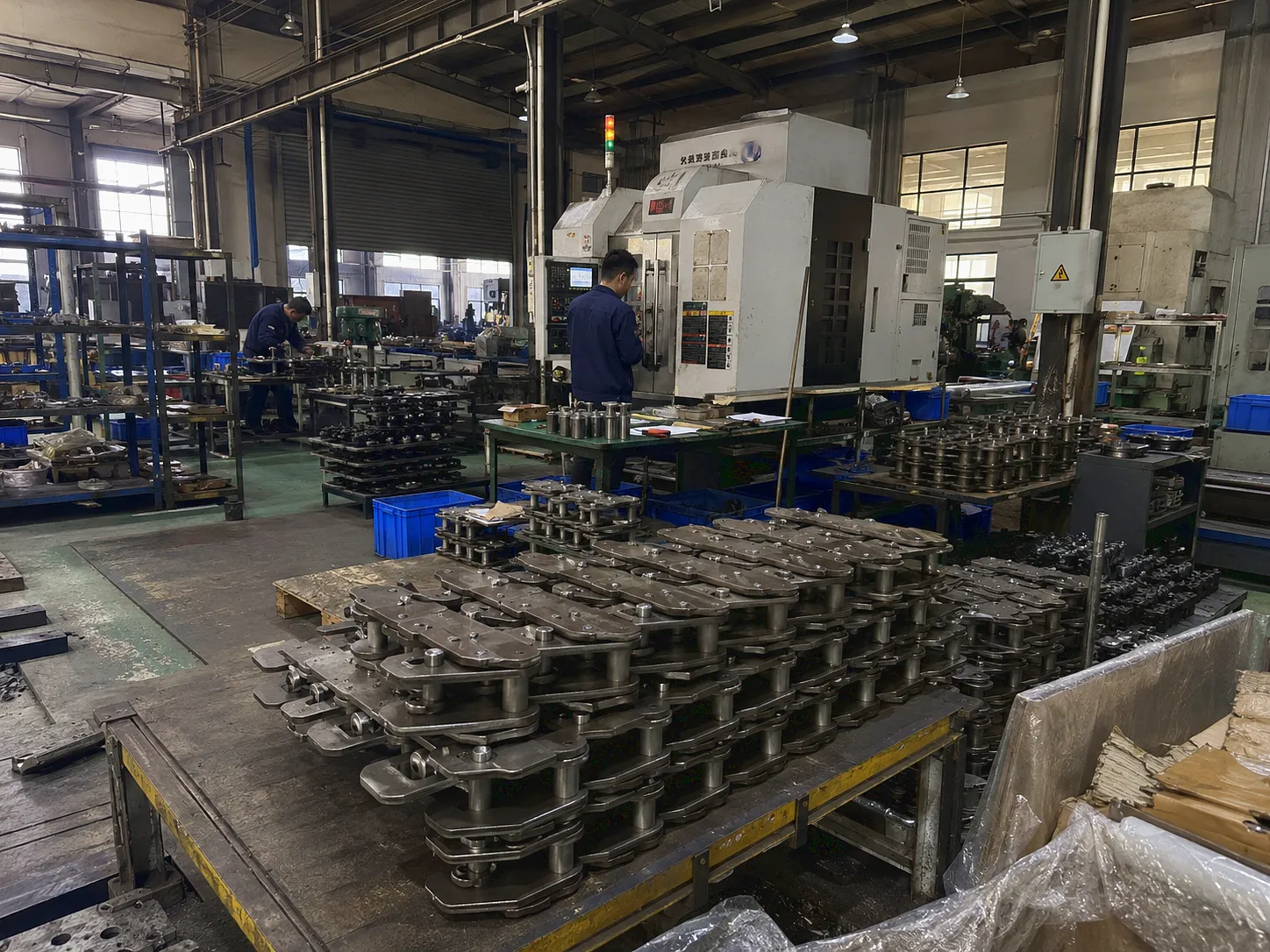
Behind every Ever Power leaf chain is a manufacturing facility equipped with precision CNC grinding machines, automated plate-forming presses, and a 100% proof-load test line that subjects every chain assembly to 50% of its nominal breaking load before shipment. This is not a quality audit sample — it is every chain, tested individually. The result is a consistency of performance across production batches that matters enormously for fleet operators who need replacement chains to behave identically to the chains they are replacing.
What sets Ever Power apart for B2B customers in the UK is the depth of our product customisation service. Standard catalogue chains are available from stock for same-week despatch, but for fleet operators, OEM suppliers, or specialised equipment manufacturers with non-standard requirements, we offer a comprehensive bespoke engineering service:
Customer Success Stories
Real outcomes from real operators across the United Kingdom — hear directly from the engineers and fleet managers who rely on our leaf chain every working day.
Reducing Telehandler Downtime by 62% on a 400-Unit Housing Development
A mid-sized UK residential developer operating a fleet of eight JCB 540-140 telehandlers on a 400-unit housing development near Leeds was experiencing unacceptable downtime from leaf chain failures. Between May and October 2023, the fleet suffered eleven chain-related breakdowns, each taking the machine out of action for between four and eight hours while a replacement chain was sourced locally and fitted. The on-site plant manager estimated the combined productive time loss at over 70 machine-hours — equivalent to losing an entire machine for nearly two working weeks.
The root cause was identified as premature fatigue cracking in the inner link plates, originating at the pin bore — consistent with the elongation-under-load failure mode seen with lower-grade chains running on worn sheaves. The developer switched the entire fleet to Ever Power AL644 alloy steel leaf chains, replaced the worn sheave pulleys, and implemented a quarterly lubrication and elongation-measurement protocol using Ever Power’s supplied pitch gauges.
In the eleven months following the switch, the fleet recorded zero chain-related breakdowns. The developer has since specified Ever Power leaf chain as the standard replacement component across its entire UK development programme, covering twelve active sites and a plant pool of over thirty telehandlers. Total estimated cost saving in the first year: approximately £18,400 in reduced repair labour, hire-machine costs, and project delay penalties.
We’ve been maintaining agricultural telehandlers across four farms in Lincolnshire for twelve years, and Ever Power chains are the first product we’ve used that consistently last a full growing season without needing pre-emptive replacement. The documentation they supply makes our LOLER records straightforward, and the price per metre is genuinely competitive against anything else we’ve sourced from UK distributors.
We needed a custom chain to fit a three-stage telescopic boom on a bespoke recycling plant handler we were building for a client in the East Midlands. Ever Power came back with a drawing review and sample chain within ten working days, and the production batch followed two weeks later. The chain has been running without incident for over eighteen months and we’ve already placed a second order for a follow-on machine.
Our quarry at Buxton runs three heavy Manitou handlers on twelve-hour shifts, six days a week. The dust and stone chipping ingress is brutal on chains. Since switching to Ever Power’s sealed-pin AL1044, we’ve extended our replacement interval from three months to seven months. The ISO certificate and material traceability paperwork they supply is exactly what our insurer requires for our annual machinery risk review.
Buying Leaf Chain in the UK: A Practical Procurement Guide
Purchasing leaf chain for a UK telehandler fleet involves more than finding the lowest price per metre. The total cost of ownership — factoring in chain service life, replacement labour, machine downtime, and compliance administration — almost always favours a higher-specification chain from an established manufacturer over a budget import. A chain that costs 20% less but fails 40% sooner, in an application where each replacement requires a trained technician and a planned maintenance window, is not a saving at all.
When evaluating suppliers, UK fleet managers and plant hire companies should ask for the following before placing an order: ISO 4347 compliance documentation with the actual test load values, not just a declaration; material certificates confirming the alloy grade and heat treatment; production batch traceability records; a stated manufacturing tolerance for pin diameter and pitch; and clarity on the supplier’s delivery lead time for both stock and custom items.
For plant hire companies and equipment dealers operating across England, Scotland, and Wales, Ever Power offers a distributor programme with volume pricing, stock support, and co-branded documentation. We ship from bonded UK warehouse stock for standard sizes, with typical delivery of two to three working days for stock items and four to six weeks for custom-manufactured chains. Our sales team can work directly with your fleet engineers to identify the correct chain specification for each machine model in your fleet — eliminating the guesswork and protecting your liability position under LOLER.
ISO 4347 test certificates with actual values
Material certificates (alloy grade + heat treatment)
Batch traceability records for LOLER files
Stated pin diameter tolerance (target: ±0.005mm)
Stock availability and lead times for custom lengths
OEM compatibility confirmation for your specific machines
Frequently Asked Questions
Answers to the questions UK plant operators and procurement managers ask us most often about leaf chain for telehandler applications.
Ready to Upgrade Your Telehandler Fleet?
Talk to Ever Power’s technical team about the right leaf chain specification for your machines. Same-day response, full ISO 4347 documentation, custom configurations available.
Ever Power Transmission | Leaf Chain Specialists | ISO 4347 Certified | Supplying UK Construction, Agriculture and Industrial Sectors | edit by gzl | edit by gzl