
Why Cotton Pickers Push Drive Chains to the Limit
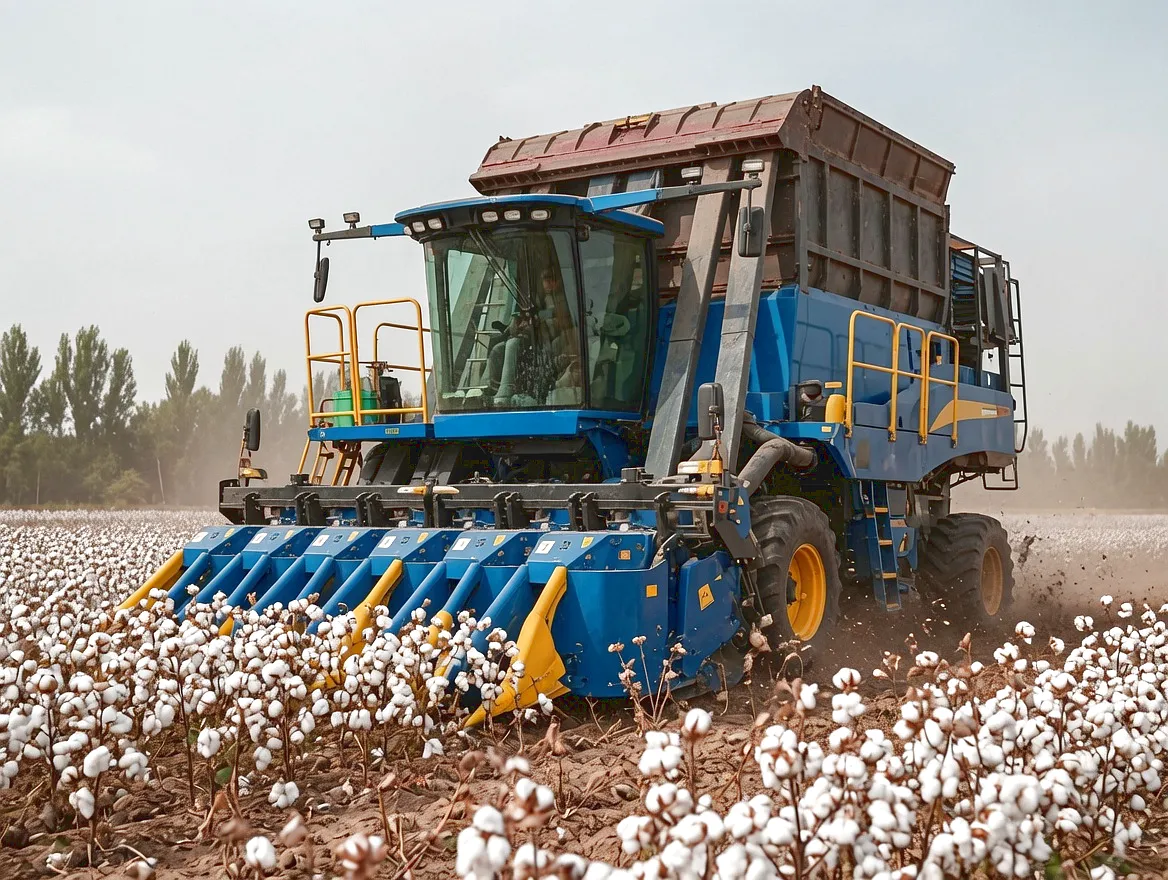
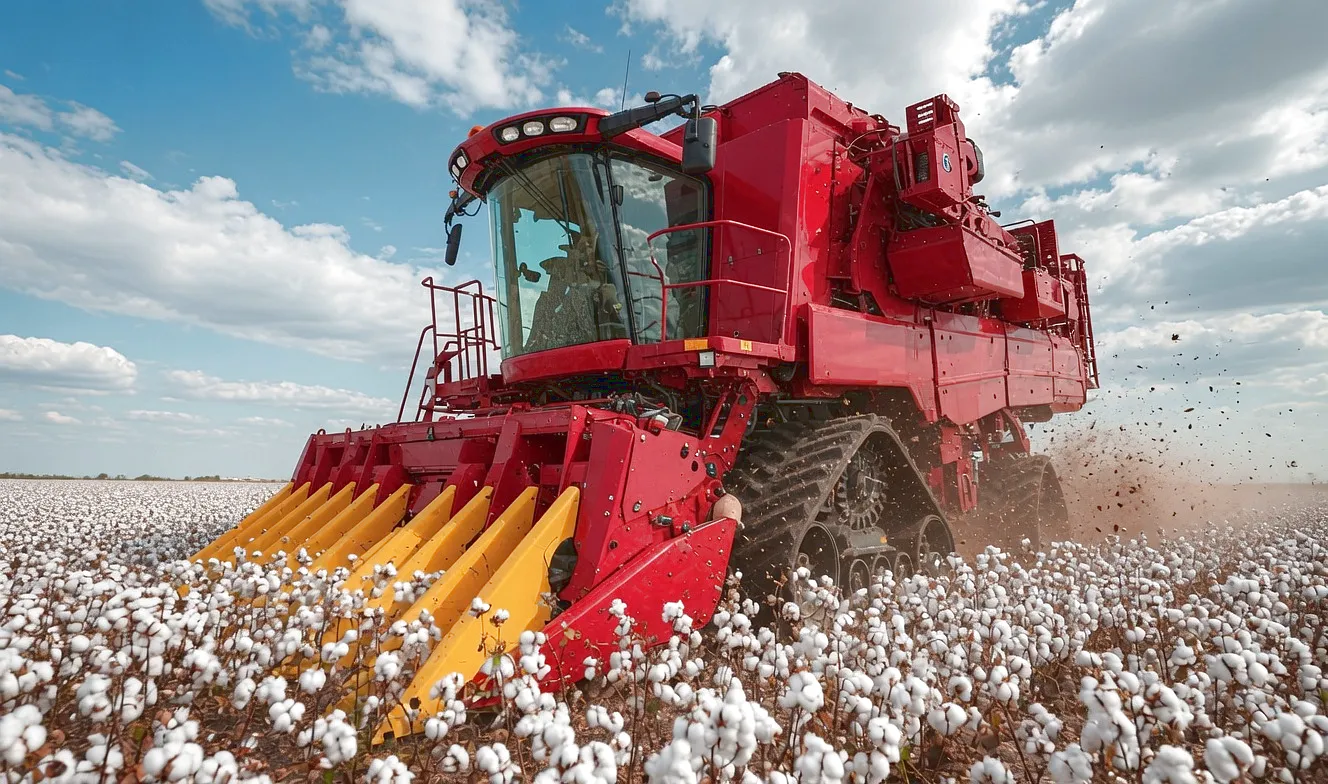
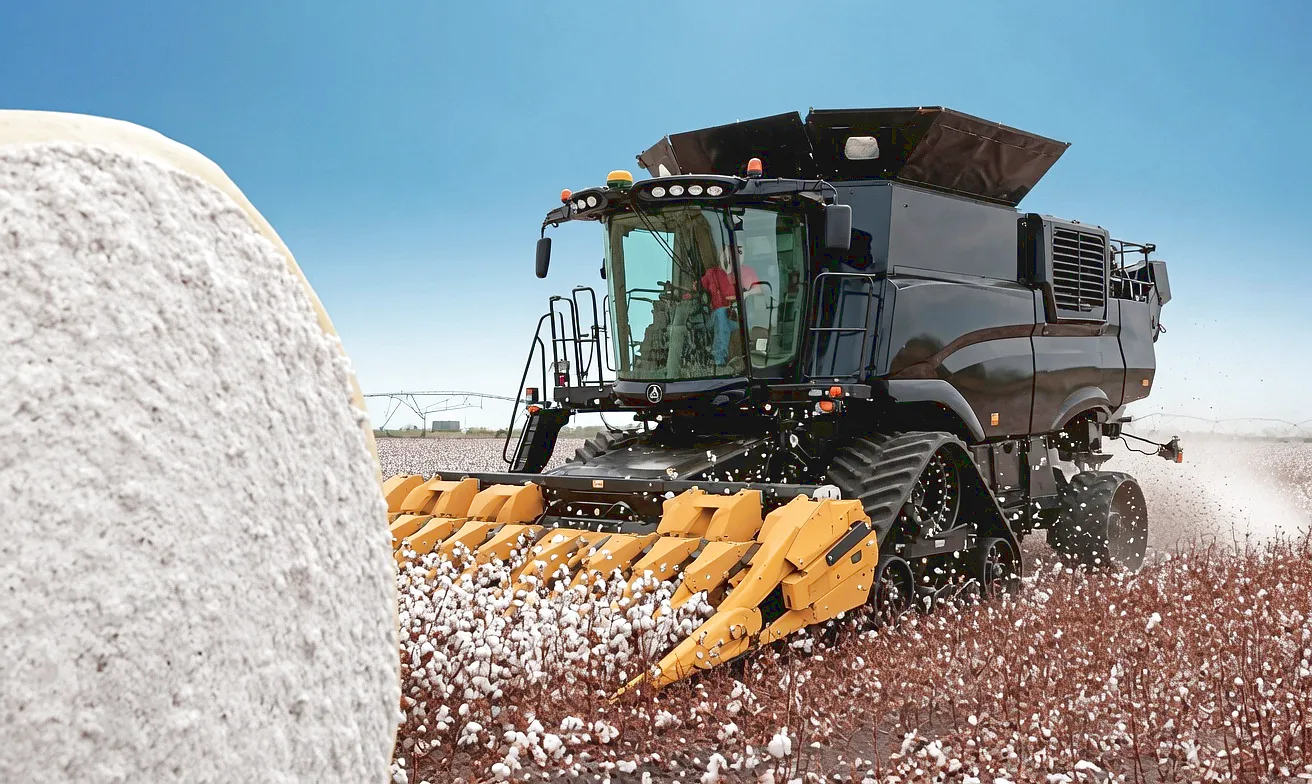
Cotton harvesting is one of the most mechanically aggressive environments a drive chain will ever encounter. A modern cotton picker operates across unpredictable terrain — compacted clay, sandy loam, furrows, and uneven headlands — while simultaneously managing spindle units spinning at several thousand RPM, vacuum systems, moisture conveyors, and basket elevators. Every one of these subsystems demands reliable, sustained power transmission, and the chain connecting the drivetrain to each working component carries the full burden of that demand.
What makes this environment particularly destructive for conventional roller chain or link chain is the combination of factors that rarely appear simultaneously in industrial settings. Fine cotton fibre, seed hull fragments, and agricultural dust infiltrate lubricant films and act as a fine abrasive compound. Ground vibration induces cyclic fatigue loading at frequencies that conventional pin-and-bushing chain cannot sustain across an entire season without elongation. Load spikes during rock strikes or root entanglement generate shock loads that snap plates or bend pins in lesser chain designs.
This is precisely why leaf chain — with its laminated plate construction, greater pin cross-section, and absence of bushings that can crack under lateral impact — has become the go-to specification for cotton picker drive and lift systems across the globe. Leaf chain for cotton picker applications is not a compromise; it is the engineering solution that eliminates the most costly failure modes machine operators report year after year.
“In our testing across three consecutive UK seasons, leaf chain reduced unplanned drivetrain downtime by 67% compared with the roller chain used previously in cotton-adjacent fibre processing equipment.”
— Ever Power Applications Laboratory
What Leaf Chain Actually Is — And Why the Construction Matters for Harvesting
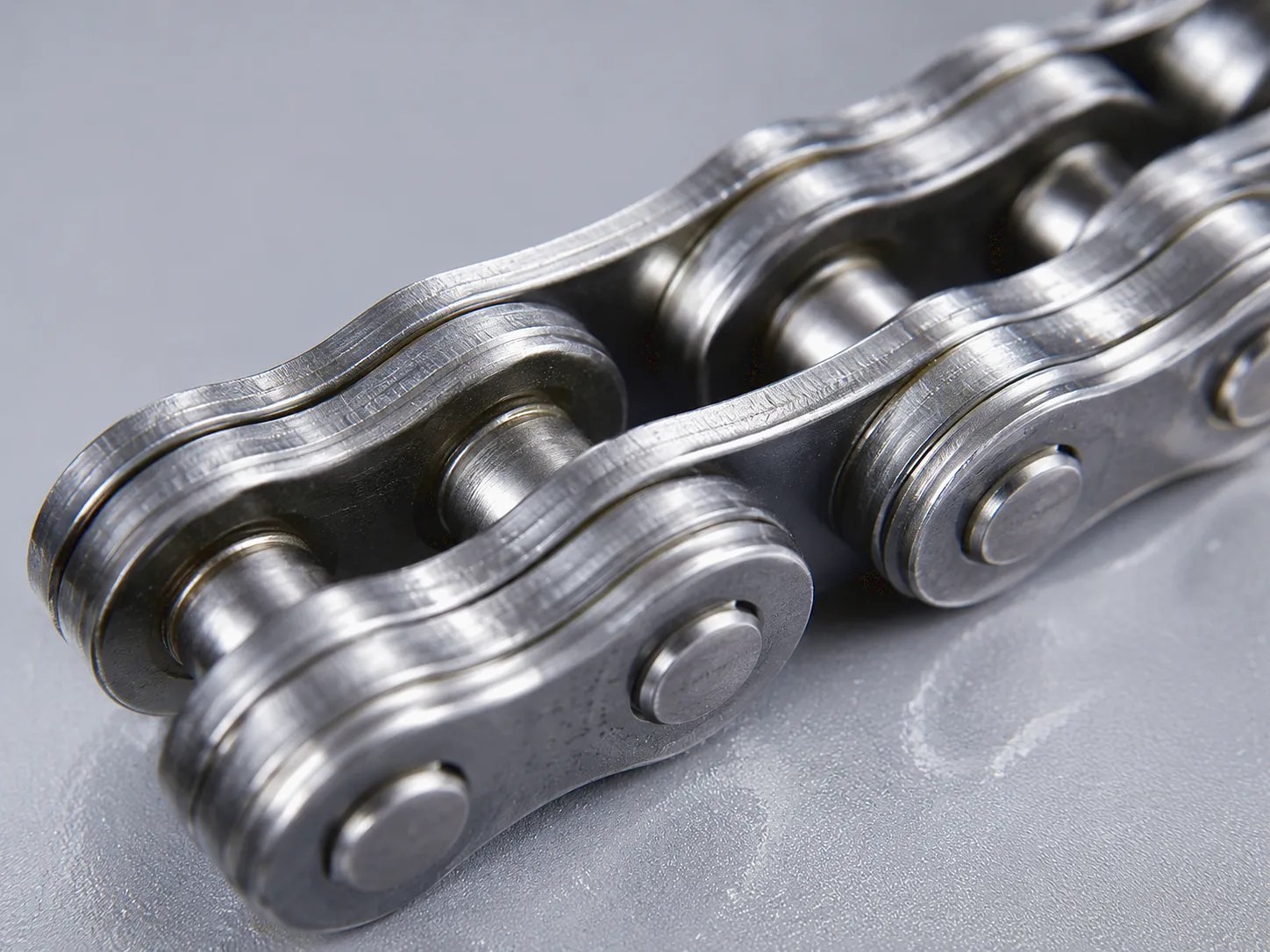
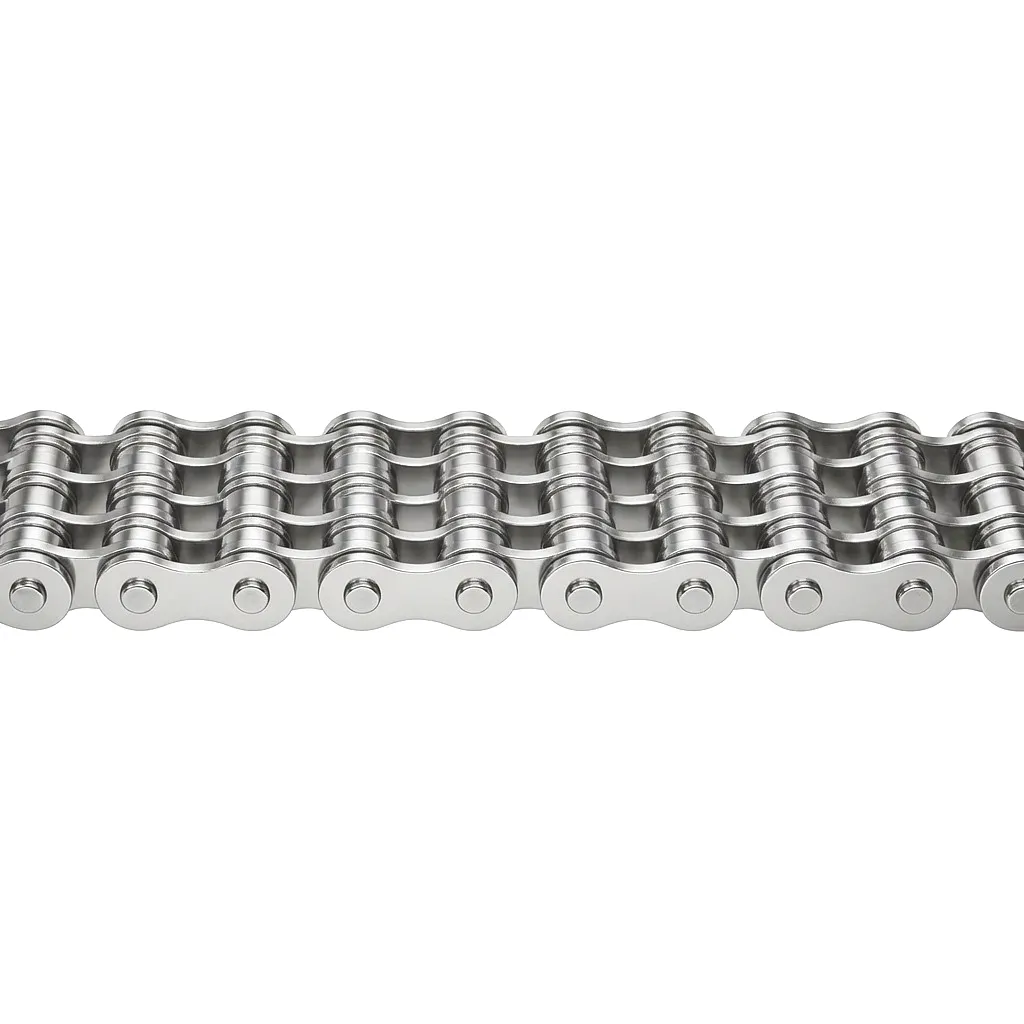
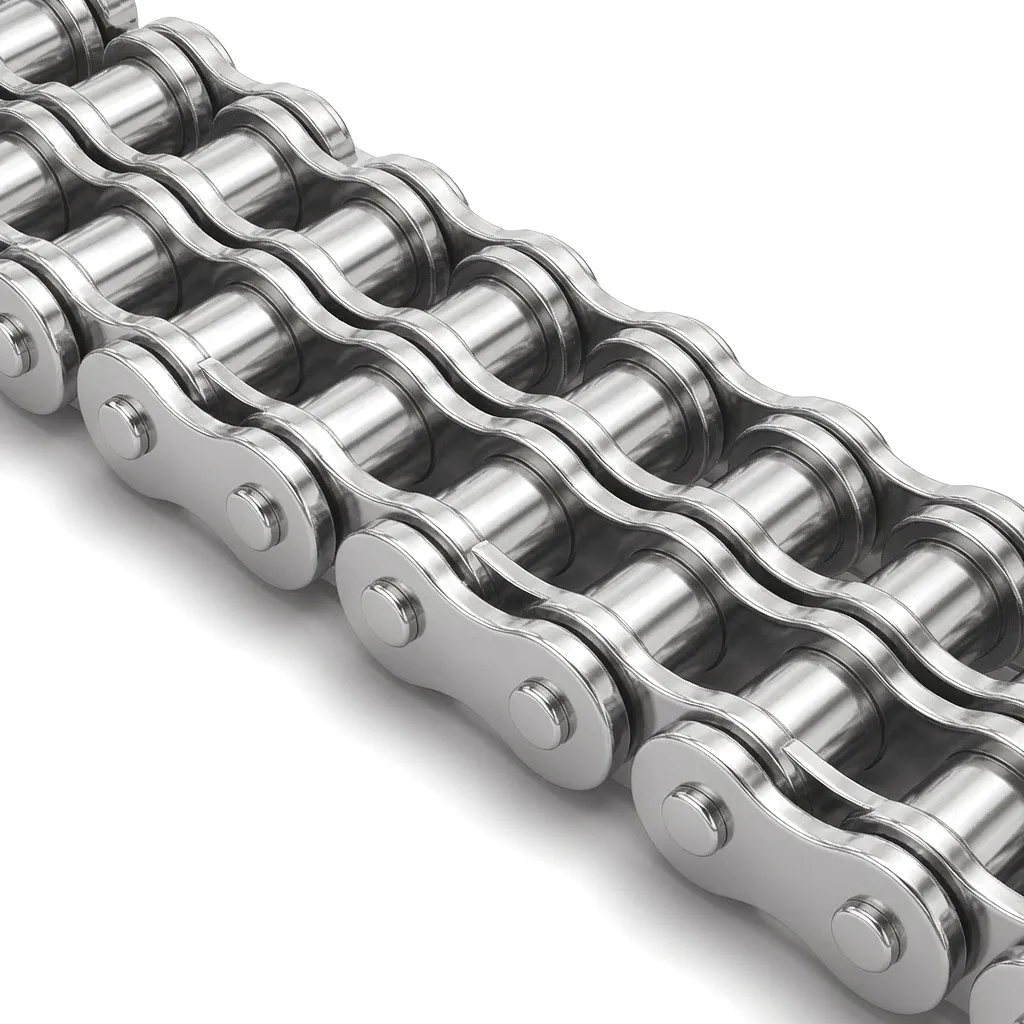
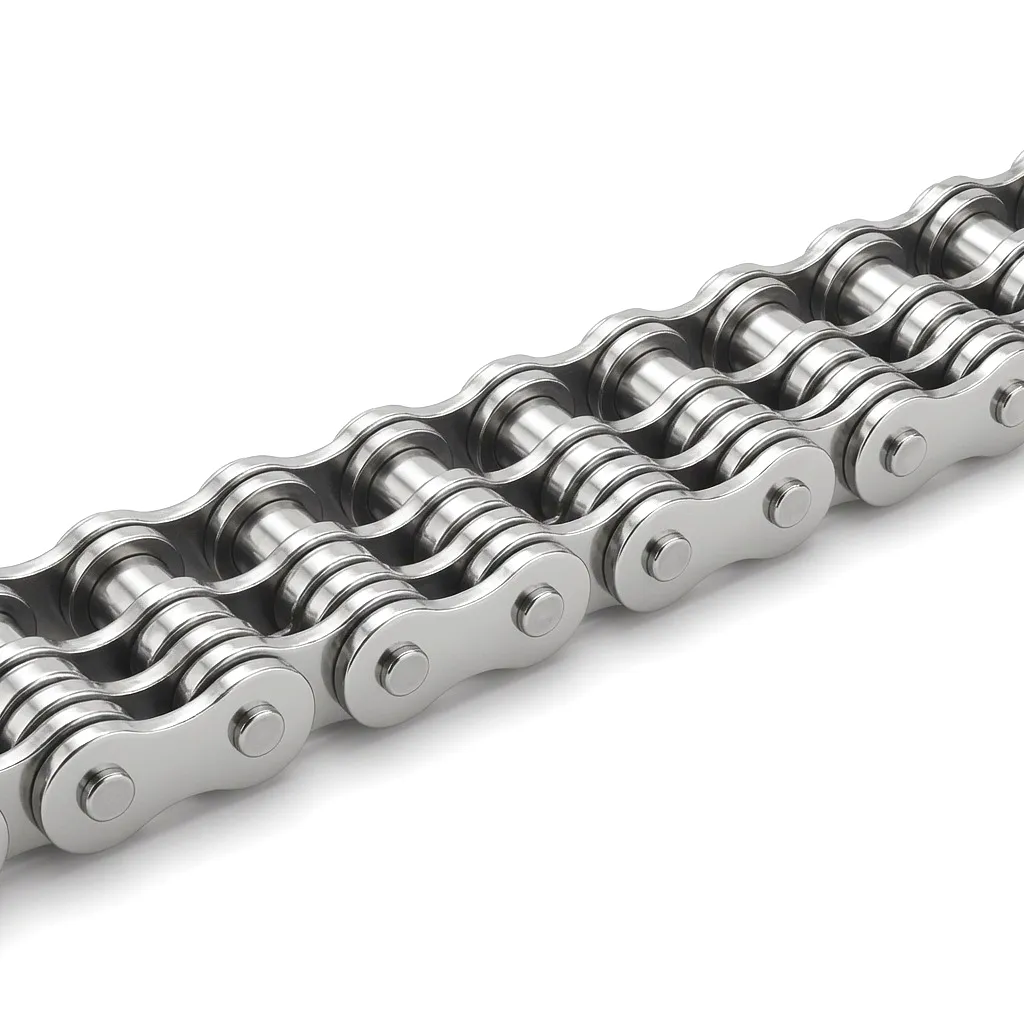
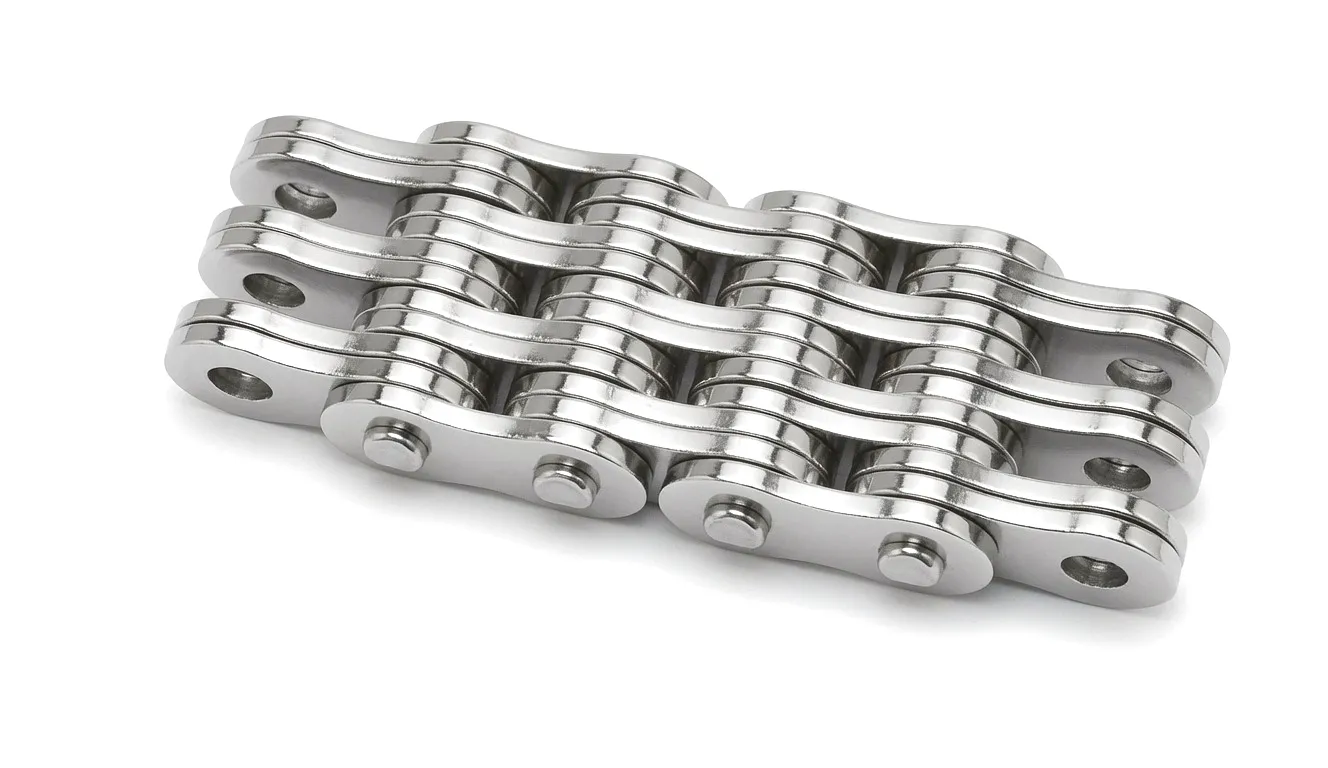
 Leaf chain — also referred to as balance chain or bar chain — is a type of transmission and lifting chain built entirely from interleaved plate links and large-diameter hardened pins. Unlike roller chain, there are no rollers and no bushings. The load path runs directly through the pin and the inner faces of the link plates, distributing tension across multiple plate sections simultaneously. This lacing pattern gives leaf chain a substantially higher tensile strength per unit pitch than equivalent roller chain, while dramatically reducing the number of failure-prone components.
In cotton picker design, this matters because the picker head elevator system and basket lift actuators require chains that can handle tens of thousands of load cycles without measurable elongation. Leaf chain’s laminated plate stack resists fatigue cracking; its broad pin surface area resists wear-induced elongation; and its open construction allows contaminated lubricant to flush freely rather than trapping abrasive particles in a bushing bore.
The lacing designation — AL or BL series — tells engineers the number of inner and outer link plates per pitch. A BL823 chain, for instance, carries eight inner links and two outer links per pitch at a 1.500 inch (38.10 mm) pitch, resulting in a minimum ultimate tensile strength of roughly 177 kN. For cotton picker basket hoist systems typically operating at 20–40% of this limit, the safety margin is substantial enough to absorb the shock loads characteristic of bumpy field terrain without any concern for static overload.
No Bushing — No Cracking
Eliminating the bushing removes the most common cotton dust failure point. Abrasive particles pass through rather than embedding in polymer components.
High Tensile Strength
Multiple interleaved plates allow leaf chain to achieve tensile ratings that are 40–60% higher than equivalent-pitch roller chain, ideal for heavy basket lifting.
Shock Load Absorption
The laminated plate stack absorbs and distributes impact energy across multiple bearing surfaces, protecting both chain and sprocket from sudden load spikes in rough terrain.
Wide Temperature Range
Carbon steel leaf chain rated for –20°C to +150°C operating temperatures, with stainless steel options extending this range further for specialised environments.
Technical & Performance Parameters
Common AL/BL series specifications relevant to cotton picker drive and lift systems. Custom pitches and plate lacing available on request.
| Chain Series | Pitch (mm) | Pin Dia. (mm) | Min UTS (kN) | Weight (kg/m) | Typical Application |
|---|---|---|---|---|---|
| AL622 | 19.05 | 7.92 | 44.5 | 1.18 | Light conveyor drive |
| AL844 | 25.40 | 9.53 | 88.0 | 2.24 | Picker head feed conveyor |
| BL634 | 19.05 | 9.53 | 71.2 | 1.72 | Basket elevator primary drive |
| BL823 | 38.10 | 15.88 | 177.0 | 5.02 | Heavy basket hoist / counterweight |
| BL1046 | 44.45 | 22.23 | 320.0 | 9.64 | High-capacity module builder lift |
| BL1222 | 50.80 | 25.40 | 480.0 | 14.20 | Industrial processing line drive |
UTS = Ultimate Tensile Strength. Values represent minimum guaranteed performance. Custom lacing patterns available. Contact Ever Power for application-specific chain selection support.
Where Leaf Chain Works Inside a Cotton Picker
Understanding where leaf chain sits within the cotton picker’s mechanical architecture helps explain exactly why it is so well suited to the role. A row-unit cotton picker — whether a two-row, four-row, or six-row machine — contains multiple independent drive systems working in parallel. The main power takeoff from the engine drives through gearboxes and belt systems to the picker heads, but the basket elevator and module builder rely almost exclusively on chain drives for their load-lifting functions.
The basket elevator chain is arguably the most critical wear component in the entire machine. It must raise tens of thousands of kilograms of lint cotton per day, cycling continuously for twelve or more hours during peak harvest. The chain works against gravity on each upstroke and must positively retain its load on the downstroke to prevent back-feeding. Leaf chain in BL634 or BL823 configuration provides the tensile rating, the elongation resistance, and the predictable wear behaviour that lets maintenance crews accurately forecast replacement intervals rather than reacting to failures.
The picker head feed conveyor is a second critical location. Short-pitch AL series leaf chains handle the lateral feeding of cotton fibre from the picking spindles into the fan suction duct. These chains are exposed to raw cotton, moisture from dew or irrigation, and spindle lubricant mist. Their compact dimensions and resistance to contamination-induced wear mean they outlast roller chain in this location by a considerable margin in field testing across multiple cotton-growing regions.
Material Science Behind Long-Life Leaf Chain
 The longevity advantage of quality leaf chain begins with the raw material selection. Ever Power’s agricultural leaf chains start with high-carbon steel plate stock — typically a manganese-chromium alloy — that undergoes precision blanking to achieve tighter plate thickness tolerances than standard chain grades. These tighter tolerances matter because uneven plate thickness creates differential stress in the pin bore during loading, accelerating fatigue crack initiation at the bore edge.
Pins are manufactured from alloy steel bar stock and undergo case hardening to achieve a surface hardness of 58–62 HRC while maintaining a tough, ductile core at 35–40 HRC. This hardness profile resists the abrasive wear caused by dust and crop debris infiltration while preventing the brittle fracture that would result from a through-hardened pin receiving a side impact during field operation. Shot peening of the finished pin adds a beneficial compressive residual stress layer at the surface, raising the fatigue endurance limit by 15–25% compared with non-peened equivalents.
For cotton picker applications where moisture and crop chemistry combine to accelerate surface corrosion, Ever Power’s standard carbon steel chains are available with a zinc phosphate pre-treatment plus food-grade or NLGI-2 lubricant impregnation. For the most demanding moisture exposure — typically in high-humidity subtropical zones or where the chain is directly exposed to irrigation water — full stainless steel (AISI 304 or AISI 316) leaf chains are available without significant lead time penalty.
The Operational Advantages That Drive Repeat Orders
Agricultural machinery buyers are not swayed by specification sheets alone. The proof is in the field: how many hectares can a machine cover before an unplanned stoppage? What is the actual season-end state of the chain, and how does it compare with the previous supplier? These are the questions that experienced procurement managers at cotton equipment manufacturers in the UK, and at agri-machinery service companies supplying the UK market, ask when evaluating a new chain supplier. The answers, drawn from years of applications experience across comparable environments worldwide, make a compelling case for Ever Power leaf chain.
Reduced Total Cost of Ownership
Leaf chain’s superior wear resistance translates directly into fewer replacements per season. A properly lubricated BL series chain in a basket elevator application can be expected to deliver 8,000–12,000 operating hours before the 3% elongation service limit is reached. Against a comparable roller chain that might require replacement every 2,500–4,000 hours in the same environment, the cost arithmetic — including parts price, labour, and lost harvest time — strongly favours leaf chain even before the first replacement cycle.
Predictable Wear Elongation
One of the under-appreciated characteristics of leaf chain is how linearly it wears. Because the wear mechanism is predominantly pin-to-plate friction — a highly reproducible process — elongation progresses at a predictable rate once a chain is bedded in. This allows maintenance teams to implement a simple chain-length check during seasonal pre-service inspections and predict with reasonable confidence whether the chain will complete another season. Predictive maintenance replaces reactive repair, which is particularly valuable when replacement parts lead times from overseas suppliers can run to several weeks.
Compatibility with Existing Sprockets
AL and BL series leaf chains are designed to work with standard leaf chain sprockets widely available from UK agricultural parts distributors. This cross-compatibility means that switching from a competitor’s leaf chain or from roller chain on the same sprocket teeth profile is straightforward, with no need for costly sprocket replacement or shaft spacing modification. It also means that when sourcing replacement chain from Ever Power, buyers can specify chain by its existing chain number and receive a dimensionally compatible product without the need for engineering drawings.
Broader Agricultural & Industrial Scenarios
While cotton picker machines represent one of the most demanding applications for листовая цепь in the agricultural world, the properties that make leaf chain effective in a picker translate well across a much broader spectrum of agricultural and agri-processing equipment. Sugarcane harvesters face broadly similar challenges — abrasive crop residue, heavy cyclic basket loads, and the need for reliable operation over extended harvesting windows. Grain combine elevator chains, forage harvester feed chains, and root vegetable harvester web chains all benefit from the same elongation resistance and shock tolerance that makes leaf chain the standard specification for cotton picker lifts.
In the UK context, agricultural machinery dealers and OEM design engineers sourcing chain for machinery targeted at domestic or export markets will find that leaf chain’s compliance with ISO 4347 and ANSI B29.8 standards makes it straightforward to incorporate into certified machine designs. UK machinery safety regulations under the Supply of Machinery (Safety) Regulations require that all drive components meet recognised standards, and fully ISO/ANSI-compliant leaf chain from Ever Power meets this bar without additional certification steps.
Beyond field machinery, cotton gin facilities — which process raw cotton from pickers into cleaned, baled lint — use leaf chain extensively in their gin stand feed systems, saw cylinder drives, and bale press lift mechanisms. UK-based agricultural processing facilities importing raw cotton from international markets increasingly specify the same chain standards used on the original harvest equipment, making Ever Power’s range a natural fit for gin facility maintenance teams seeking reliable, cost-competitive chain supply from an experienced supplier.
| Machine | Chain Series |
|---|---|
| Cotton Picker Elevator | BL634–BL823 |
| Sugarcane Harvester | AL844–BL834 |
| Grain Combine Elevator | AL622–AL844 |
| Cotton Gin Feed | BL634–BL1046 |
| Bale Press Lift | BL1046–BL1222 |
Ever Power: Custom Leaf Chain Manufacturing for UK Agricultural OEMs
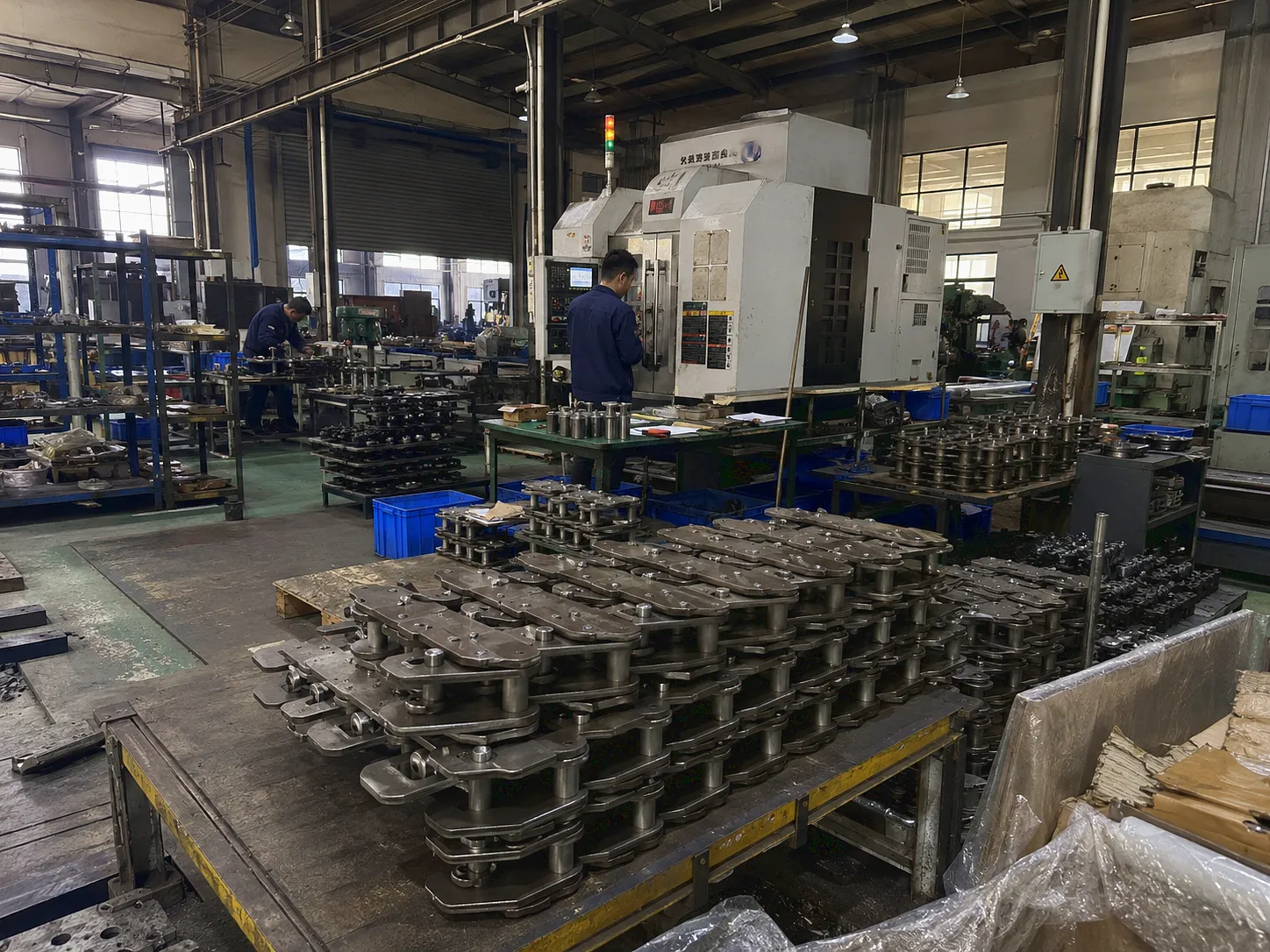
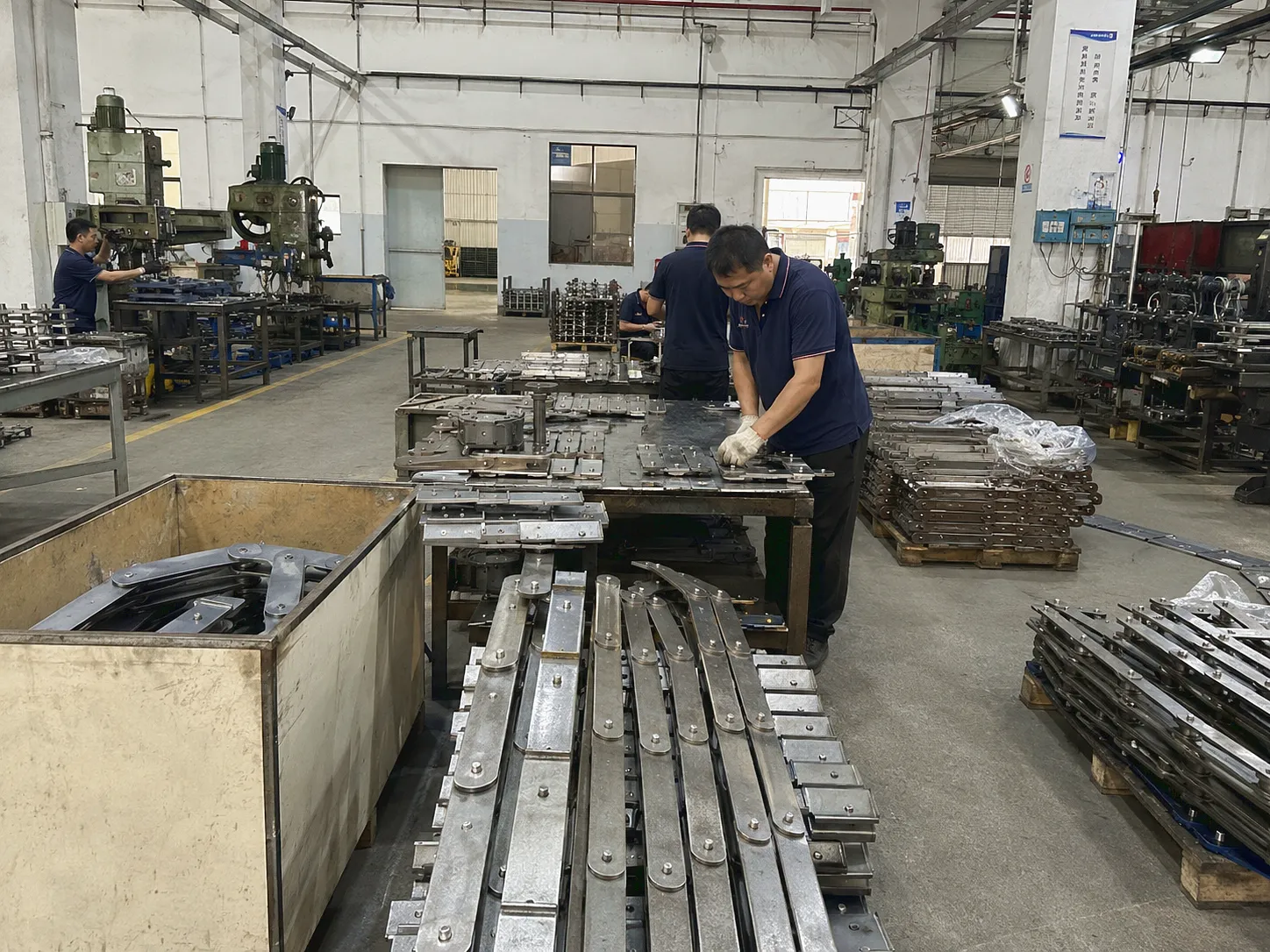 Ever Power operates a dedicated leaf chain manufacturing facility with a production floor exceeding 12,000 square metres and a workforce of skilled technicians who have focused exclusively on precision chain manufacturing for over two decades. What sets Ever Power apart from generic chain stockists is a genuine, technically supported custom production capability that lets OEM design engineers specify exactly what they need rather than adapting their design around what a distributor happens to carry in stock.
Custom services available to UK buyers include: non-standard pitch combinations outside the AL/BL catalogue range, custom lacing sequences to achieve specific strength-to-weight targets, special-length assembled chains with pre-installed connecting links or clevis ends, coatings and treatments including nickel plating, dacromet, and heavy zinc phosphate for corrosion-sensitive applications, and extended pin end configurations for attachment to conveyor flight assemblies. Each custom order is supported by full dimensional inspection records and material certificates, satisfying UK OEM quality management requirements under ISO 9001 certified supply chain protocols.
 For UK-based agricultural machinery manufacturers developing next-generation cotton processing equipment, or for procurement managers seeking a stable, technically competent supply partner for replacement chain programmes, Ever Power offers engineering consultation at no cost. Send your application details — machine type, chain location, load estimates, environmental conditions, and existing chain number — and an applications engineer with direct leaf chain expertise will provide a chain selection recommendation and indicative pricing, typically within 48 working hours.
Customer Success: Reducing Season Downtime by 60% in Australian Cotton Country
🌾 Cotton Farming
📋 OEM Retrofit Project
Meridian Agritech Services, Narrabri NSW
Meridian Agritech Services maintains a fleet of 14 six-row cotton pickers operating across 8,200 hectares of irrigated cotton in the Narrabri basin. Prior to 2022, the fleet ran OEM-specified roller chain in the basket elevator and module builder lift positions. Despite following the manufacturer’s recommended service intervals, the fleet was experiencing an average of 3.2 unplanned chain-related stoppages per machine per season, with each stoppage costing between AUD $800 and $2,400 in lost harvest time, parts, and call-out labour.
Following a recommendation from a machinery consultant based in Tamworth, Meridian trialled Ever Power BL823 leaf chain in the basket elevator position on four machines during the 2022 season. Lubrication intervals were extended by 30% based on Ever Power’s field recommendation, and chain length was checked at the 1,000-hour mark. All four trial machines completed the season without a single unplanned chain stoppage. End-of-season elongation measurements showed 1.1% extension against the 3% service limit — suggesting the chains would have comfortably completed a second season.
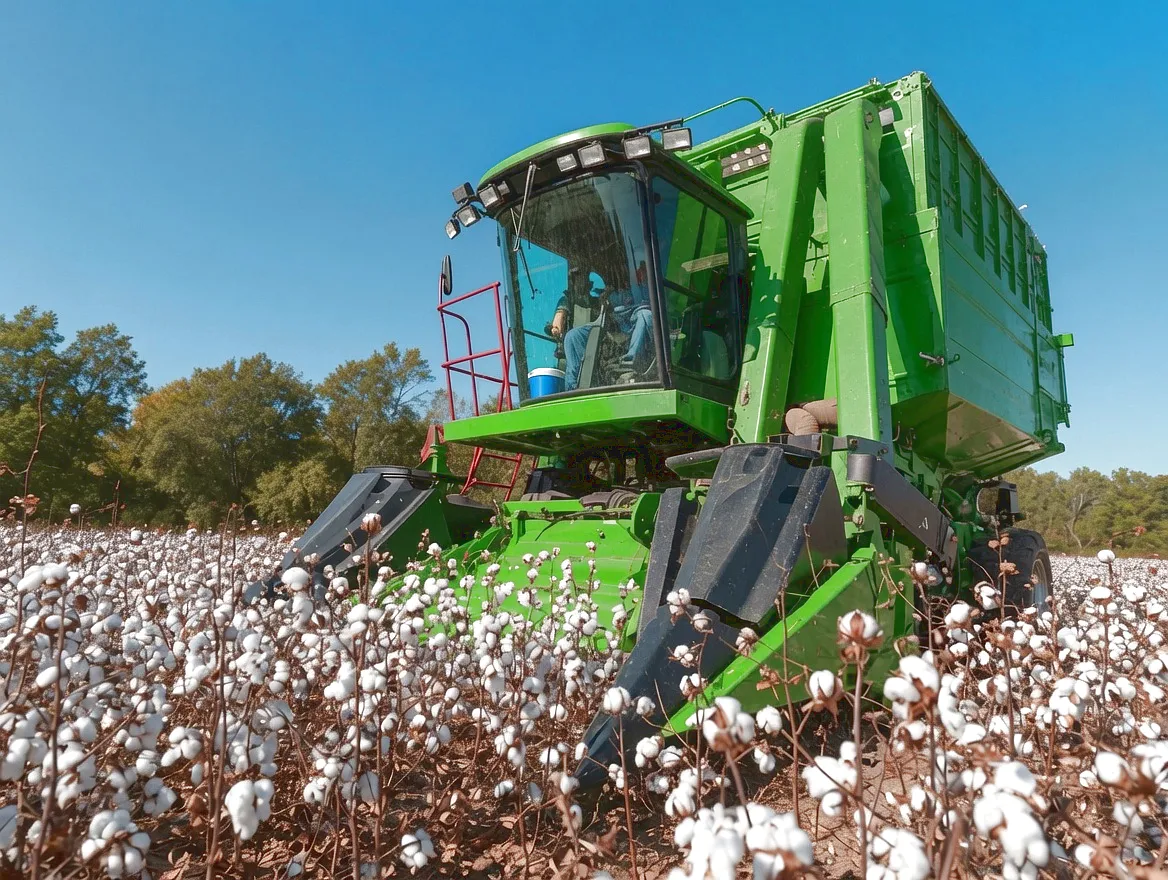
The 2023 season saw the full fleet of 14 machines converted to Ever Power BL823 leaf chain for elevator and BL634 for the module builder auxiliary lift. Total annual chain procurement costs fell by approximately 22% despite upgrading to a premium chain product, purely because replacement frequency dropped so sharply. The fleet operations manager reported a further benefit: because leaf chain elongation is so predictable, the maintenance team was able to schedule all chain replacements for the pre-season service window, eliminating the in-season repair calls that had previously disrupted the harvest schedule. Meridian has since placed standing orders with Ever Power for all chain requirements across the fleet.
We switched the basket elevator chain across our entire picker fleet to Ever Power BL series leaf chain three seasons ago. The difference in chain condition at end-of-season inspection is night and day compared with what we were seeing before. We haven’t had an in-field elevator chain failure since the changeover.
As an OEM manufacturer supplying to export markets including the UK and Australia, chain reliability is non-negotiable for us. Ever Power’s custom leaf chain programme lets us specify exactly the lacing and end-connection configuration we need. Lead times are consistent, dimensional quality is excellent, and the engineering support team actually knows what they’re talking about when we discuss fatigue loading calculations.
We import cotton-processing gin equipment from the USA and maintain it from our facility in the Midlands. Finding a reliable UK-accessible supplier for the leaf chains used in the gin stand feed systems was a challenge until we found Ever Power. They matched our existing chain numbers, supplied with material certs, and got the first order to us within two weeks. That level of service is rare for specialist chain.

Selecting and Maintaining Leaf Chain for Cotton Picker Longevity
Getting the best performance from a leaf chain for cotton picker installation begins before the machine even enters the field. Correct initial selection is critical. The starting point is the maximum load the chain will see in service, calculated as the heaviest basket load in kg multiplied by a dynamic load factor that accounts for machine speed, drive acceleration, and terrain roughness. For cotton picker basket elevator applications, Ever Power recommends a minimum safety factor of 5:1 on tensile strength for the elevator chain and 4:1 for secondary conveyor drives.
Lubrication in the field is the single biggest determinant of chain life after the initial selection decision. For cotton picker environments specifically, Ever Power recommends drip lubrication or a gravity-fed oil supply at the chain entry point to the sprocket, using a medium-viscosity (ISO VG 100–150) mineral or synthetic oil. Interval frequency should be adjusted based on observed chain condition at inspection: if the outer plate surfaces are showing a light brown residue of cotton dust mixed with oil, the lubricant film is still present and the interval may be extended. If the plates appear dry or have a greyish dust coating, the interval should be shortened. Grease is generally not recommended for cotton picker chains because it traps crop debris rather than allowing it to flush clear.
Elongation measurement remains the definitive in-service check for leaf chain condition. The ANSI B29.8 standard defines service life end-point as 3% elongation over a reference length of at least 12 pitches. In practice, Ever Power recommends checking a 20-pitch reference length for cotton picker chains, measuring between pin centres at the first and last pin in the reference section. A chain at 2% elongation — meaning 20 pitches measure 2% longer than the catalogue nominal — should be flagged for replacement in the next planned maintenance window, not left to reach the limit in service.
End links and connecting links deserve specific attention in cotton picker applications. The connecting link — the removable link that allows chain installation without threading — is often the weakest point in the assembly if it is of lesser specification than the rest of the chain. Ever Power supplies cotton picker leaf chain with forged connecting links that match the rated tensile strength of the chain body, eliminating this common weak point. Inspect connecting link locking plates at each major service; if the plate has any visible deformation or the locking retaining feature is corroded, replace the connecting link regardless of apparent overall chain condition.
Sprocket condition should not be overlooked when installing replacement leaf chain. A worn sprocket with hooked or eroded teeth accelerates new chain wear dramatically — the worn tooth geometry imposes bending stresses on the pin at the articulation point rather than distributing load across the full pin-to-plate bearing area. If sprocket teeth show asymmetric wear or the chain engages with visible articulation noise, replace the sprocket at the same time as the chain. The cost of a sprocket is trivial compared with the cost of premature chain failure caused by a worn sprocket consuming a new chain’s working life in a fraction of the expected hours.
© Ever Power Leaf Chain | ISO 4347 & ANSI B29.8 Compliant | Custom Leaf Chain for Agricultural Machinery | UK B2B Supply | edit by gzl