
Leaf Chain for Bakery Production Lines:Why High-Load Plate Chains Are ReshapingIndustrial Baking Across the UK
From high-capacity tunnel ovens in Manchester to multi-tier spiral conveyors in Bristol, the mechanical heart of every modern bakery line is the chain that never stops moving. This in-depth guide covers everything plant engineers, maintenance managers, and procurement teams need to know about specifying, installing, and maintaining leaf chain on baking production lines in the UK.
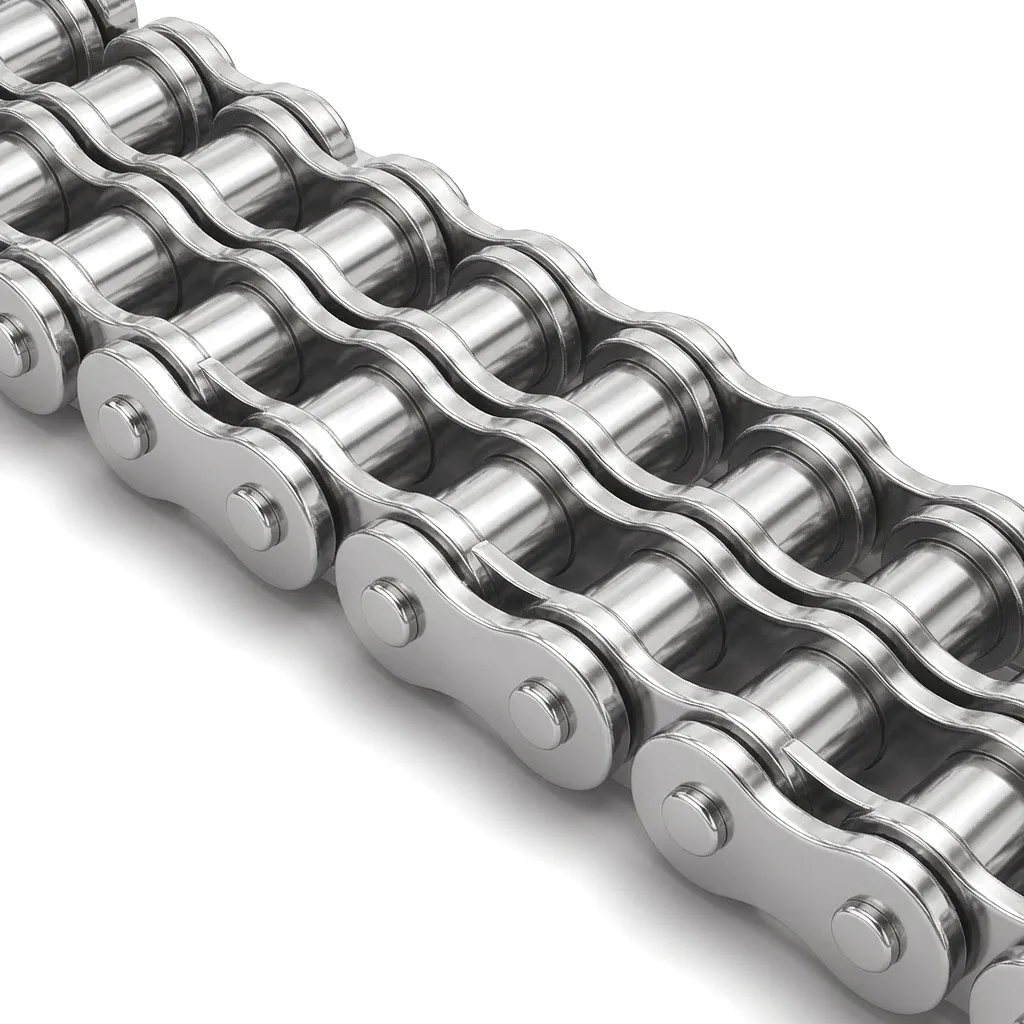 Walk into any large-scale bakery — whether it’s a plant supplying supermarket own-brand sliced bread across England, or a speciality patisserie scaling up for nationwide distribution — and you’ll find the same uncompromising demand: the line cannot stop. When a tunnel oven runs continuously at 220 °C for eighteen hours a day, or when a spiral proofer moves twelve tonnes of dough through a humidity-controlled environment every shift, the chain carrying that load endures stress that would destroy ordinary roller chain within weeks. This is precisely the territory where leaf chain — also written as liftmaster chain or BL-series plate chain — earns its keep.
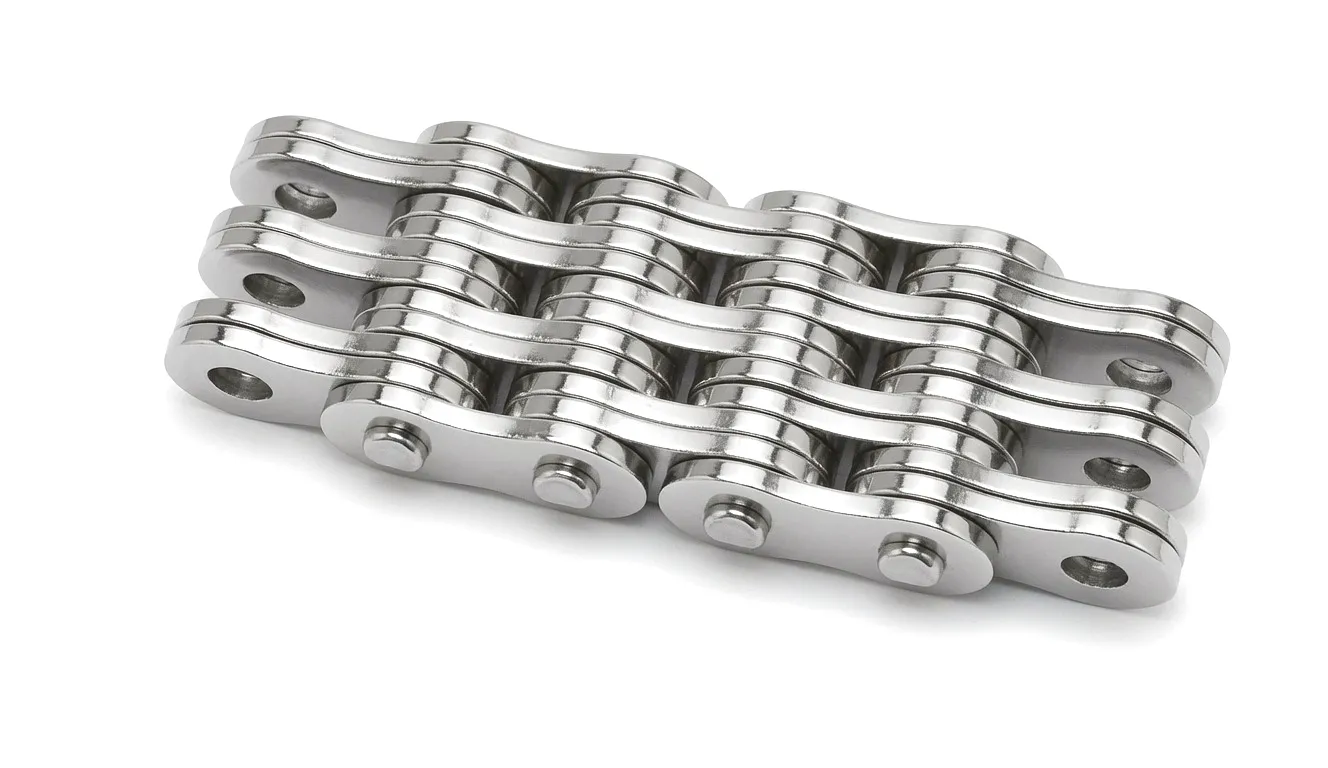
Unlike standard conveyor roller chain, leaf chain is engineered purely as a tension member. Its construction — alternating link plates pinned together without any rollers — means every unit of cross-section contributes directly to tensile strength rather than rotational contact geometry. In bakery environments, where heat, humidity, steam-cleaning, and food-grade lubricant restrictions all combine, that simplicity is a decisive advantage. Fewer contact surfaces mean fewer wear points. Fewer wear points mean longer service intervals. Longer service intervals mean less unplanned downtime — and in a commercial bakery operating on tight margins, an extra two weeks of run time per chain set translates directly to the bottom line.
At Ever Power, we have been supplying precision-manufactured leaf chain to food processing facilities across the United Kingdom for more than a decade. The notes in this article draw on direct field experience across applications ranging from continuous band ovens in Yorkshire to high-speed biscuit cutting lines in the East Midlands. Our aim is to give you the technical grounding to make a confident specification decision — and to explain why the right leaf chain, correctly specified, is almost always the most cost-effective long-term choice for a demanding bakery production environment.
What Exactly Is Leaf Chain — and Why Does Bakery Plant Demand It?
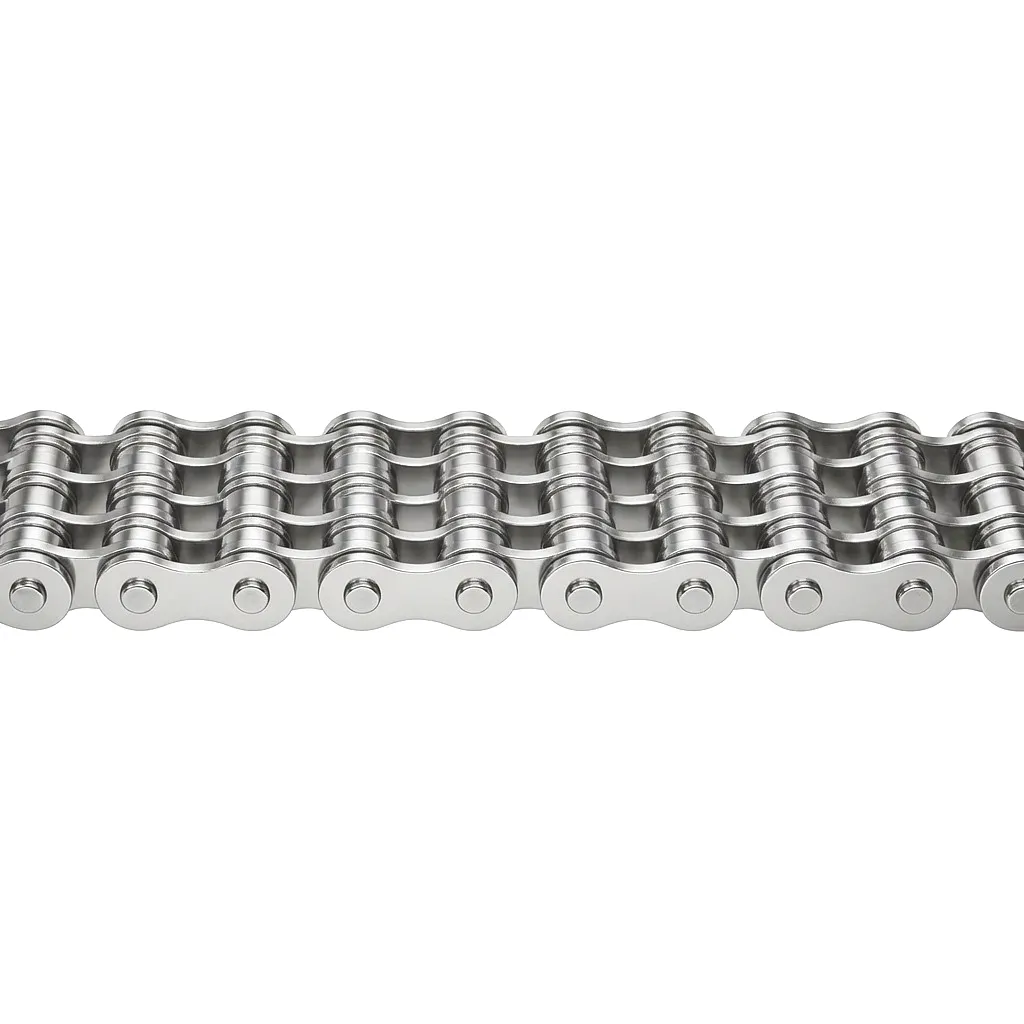
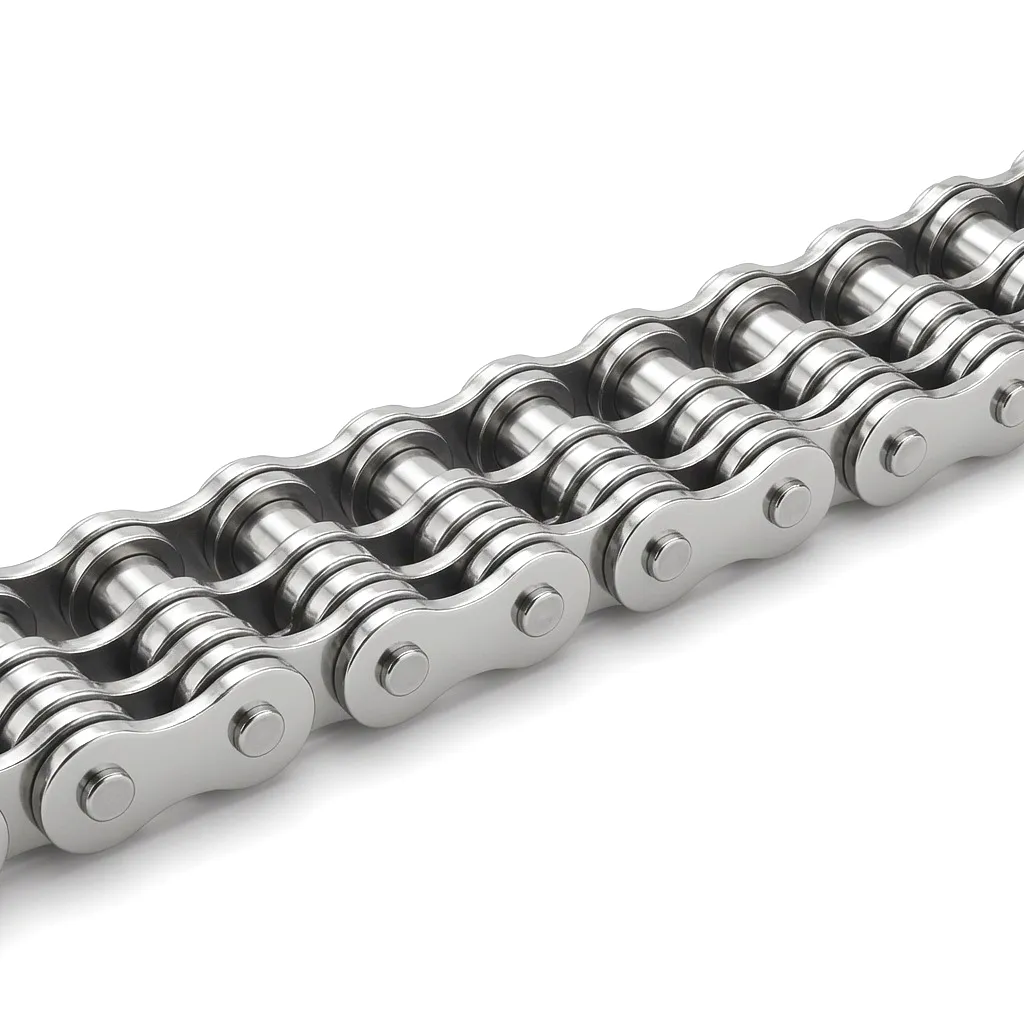
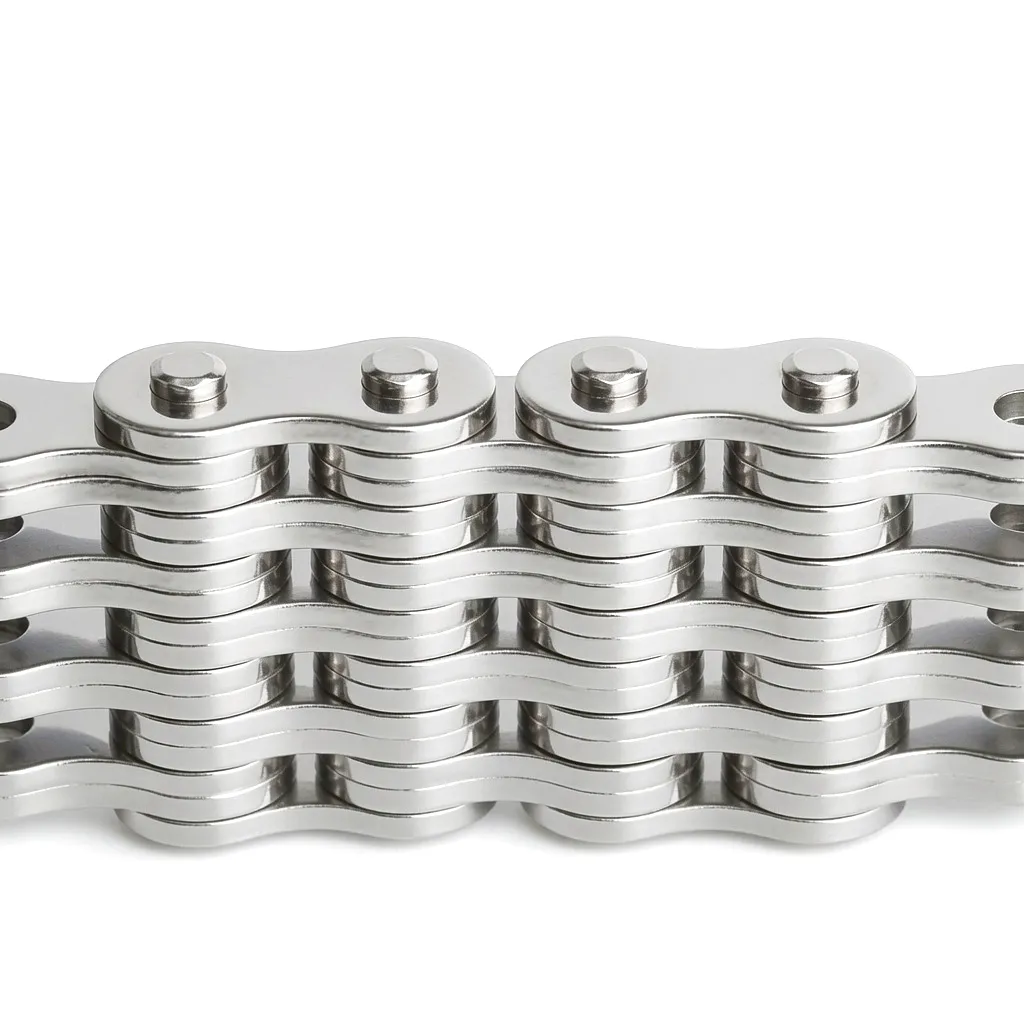
Leaf chain — standardised under ANSI B29.8 and ISO 4347 — consists of alternating sets of link plates connected by hardened pins and secured with cotter pins or press-fit retaining clips. There are no bushes, no rollers, and no outer plate barrels. Every component is a precisely heat-treated steel plate operating at close geometric tolerances. The result is a chain whose tensile capacity per unit weight is unmatched by any other chain type in the same pitch family.
In bakery production environments, the chain encounters a peculiar combination of stressors that essentially disqualifies most alternative chain types. Tunnel ovens cycle between ambient and 240 °C repeatedly. Spiral cooler conveyors expose chain to condensing moisture and fluctuating temperatures as products transition from oven exit to packaging temperature. Steam-cleaning routines — mandatory in UK food factories under BRCGS and Tesco’s supply chain standards — blast high-pressure water and sanitising agents directly onto conveyor components. Any lubricant must comply with NSF H1 (food-grade, incidental contact) requirements, which typically means lower viscosity and reduced film strength compared to industrial lubricants.
Leaf chain handles all of these stressors without compromising structural integrity, because it carries load through plate bearing — a forgiving, distributed mechanism — rather than through precision roller-to-sprocket contact. When heat causes slight dimensional changes, or when a cleaning agent displaces lubrication temporarily, the plate-pin interface simply redistributes load across a wider surface area. The chain continues operating safely rather than catastrophically failing.
Key Fact
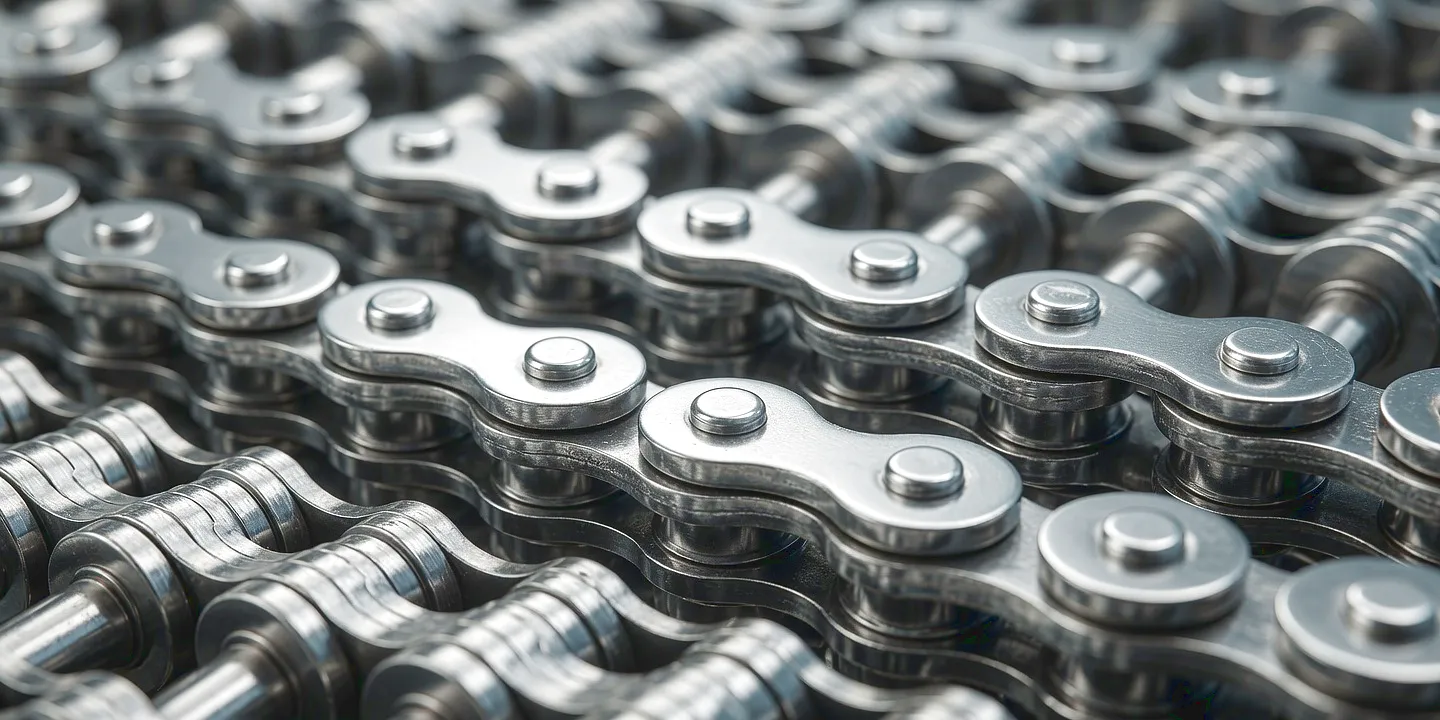
Leaf chain can deliver tensile strengths from 16 kN (BL 422) up to 1,250 kN (BL 1688) within the same product family — making it scalable from small-batch artisan bakeries to mega-plant industrial operations.
How Leaf Chain Functions Inside a Modern Bakery Production Line
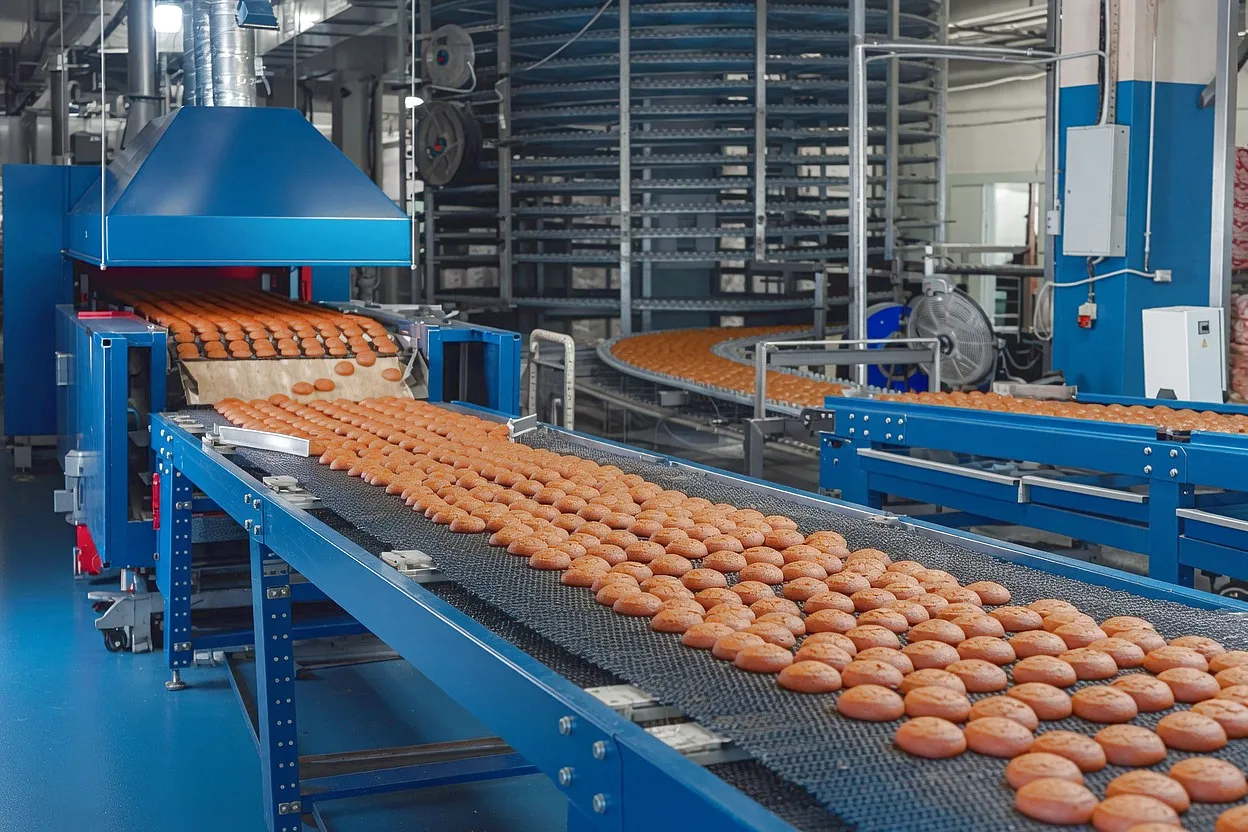
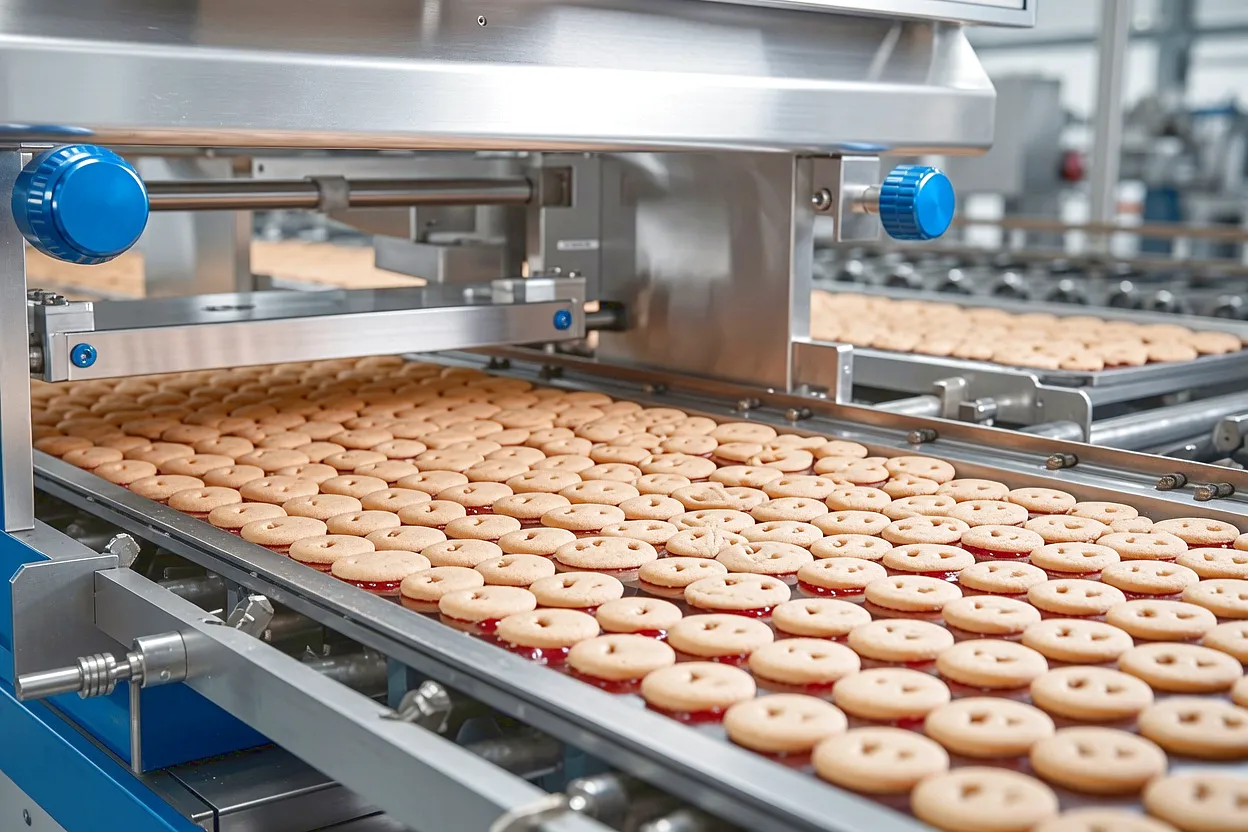
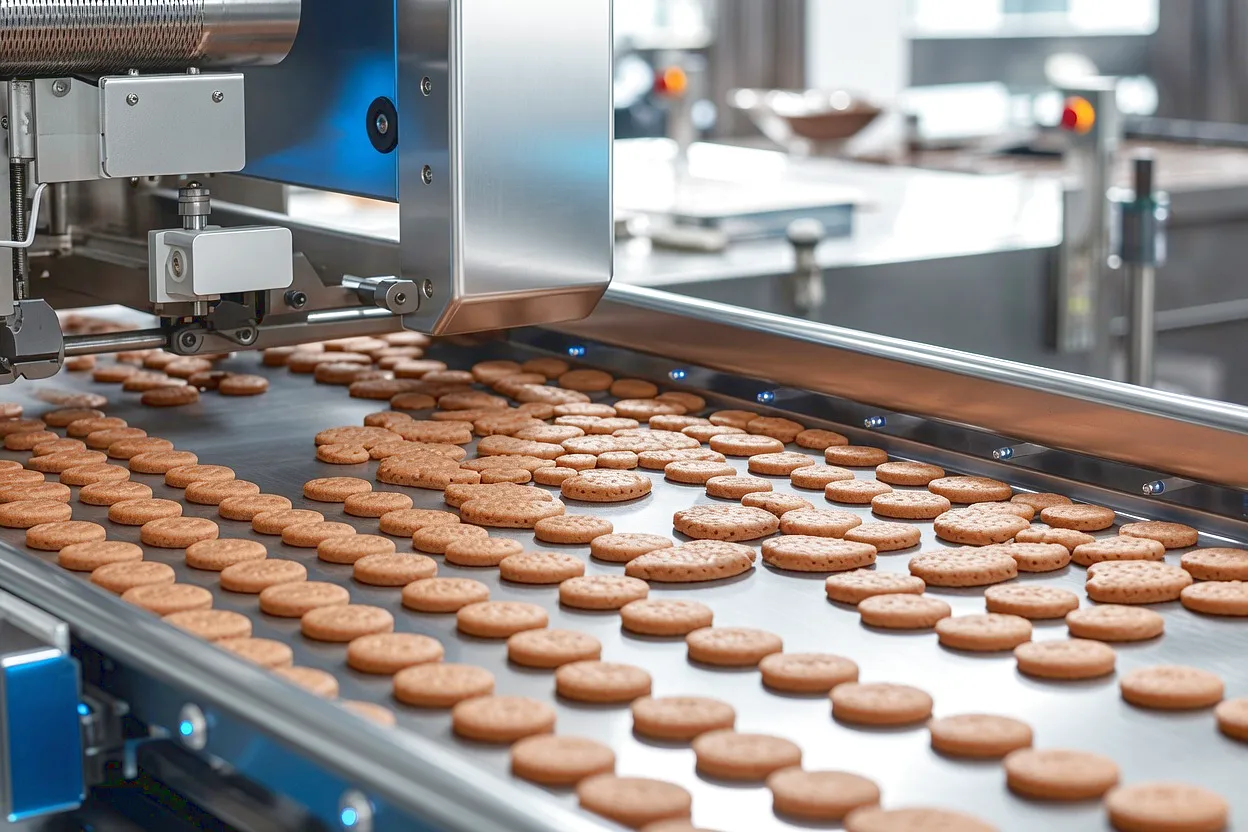
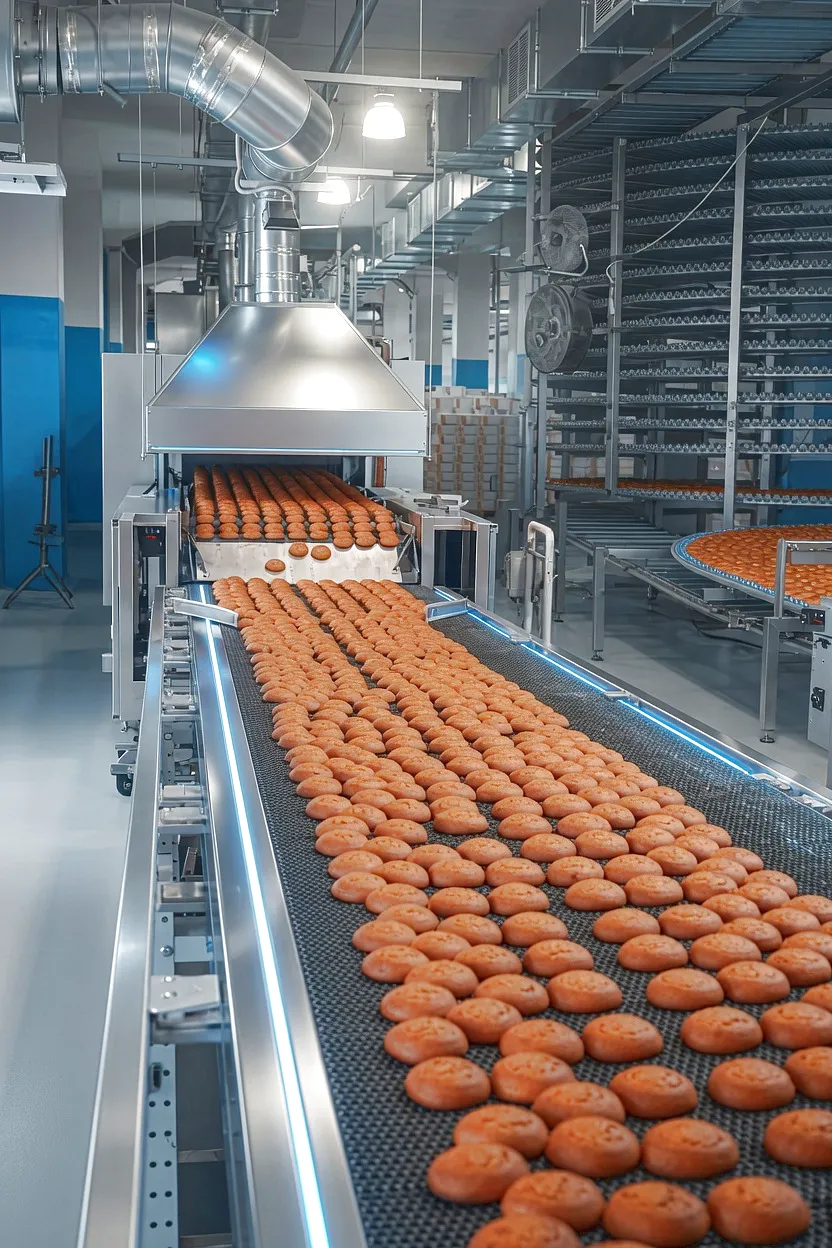
A commercial bakery is not a single machine — it’s a sequence of mechanically interdependent zones, each imposing its own load profile on the chain system. Understanding where and why leaf chain is the right choice in each zone is the foundation of a sound specification decision.
Continuous Band & Tunnel Ovens
The steel wire mesh belt in a tunnel oven is typically tensioned and driven by a leaf chain assembly mounted at the drive drum ends. Operating temperatures can reach 240 °C, and the chain must sustain working loads of several tonnes without elongating beyond the 1.5% threshold that would cause belt misalignment. High-carbon steel leaf chain with appropriate thermal expansion characteristics is essential here. Stainless steel grade 316 variants are specified where cleaning schedules are aggressive.
Spiral Proofer & Spiral Cooler Conveyors
Multi-tier spiral systems present a demanding combination: moderate temperatures but high cumulative load because dozens of product-laden tiers are all driven by the same chain loop. Total chain tensions in large commercial spiral coolers can exceed 80 kN. The pitch must remain consistent across the full chain length, as any variation in elongation between chain strands causes the belt to track sideways. Leaf chain’s uniform pitch stability under sustained tension makes it the preferred choice for this application across European bakery OEMs.
Dough Dividers & Moulding Machines
High-speed dough processing equipment subjects drive chains to cyclical impact loading every time the divider head closes. These shock loads can be five to eight times the nominal running tension. Standard roller chain fatigues rapidly under such conditions. Leaf chain, specified with an appropriate dynamic safety factor (typically 8:1 or higher for shock-load service), absorbs these impulse forces without plate cracking because the multiple-plate construction distributes stress across more material cross-section per link than single-plate roller chain equivalents.
Depanning, Sorting & Packaging Lifts
At the output end of the line, bread and rolls move through depanning stations and then into packaging — often with a vertical lift or accumulation buffer using chain as the primary drive. These areas operate at ambient temperature but require extremely precise pitch consistency to maintain product spacing for the packaging machinery downstream. Any variation in chain elongation translates directly into mis-feeds and rejected packs, making high-precision leaf chain with tight manufacturing tolerances the correct choice even where temperature is not a concern.
Technical Performance Parameters
The table below covers the most commonly specified BL-series leaf chain sizes for bakery production applications. All values are for standard carbon steel construction; stainless steel (316) grades carry approximately 85% of the listed tensile capacity. Working load values assume a minimum safety factor of 5:1 for static or slowly varying loads.
| Chain Type | Pitch (mm) | Pin Diameter (mm) | Breaking Load (kN) | Max Working Load (kN) | Typical Bakery Application |
|---|---|---|---|---|---|
| BL 422 | 12.70 | 4.45 | 16.0 | 3.2 | Small-scale depanning, sortation |
| BL 644 | 19.05 | 7.94 | 60.0 | 12.0 | Dough dividers, laminating lines |
| BL 844 | 25.40 | 7.94 | 89.0 | 17.8 | Tunnel oven belt drive — medium load |
| BL 1066 | 31.75 | 11.10 | 200.0 | 40.0 | Spiral proofer & cooler drives |
| BL 1288 | 38.10 | 14.27 | 490.0 | 98.0 | Heavy industrial tunnel oven — main drive |
| BL 1488 | 44.45 | 14.27 | 620.0 | 124.0 | Large continuous band oven, bread plant |
* Breaking loads per ISO 4347. All values for ambient temperature operation; derate by 15–20% for sustained operation above 150 °C.
Seven Reasons Bakery Engineers Specify Leaf Chain Over Alternatives
The case for leaf chain in bakery applications isn’t simply theoretical — it’s backed by measurable outcomes that show up in maintenance logs, energy consumption records, and product quality audits. Here are the core performance advantages that repeatedly emerge in our discussions with plant engineers at UK food factories.
Superior Tensile Capacity per Pitch
For any given pitch, leaf chain delivers up to 40% higher breaking load than standard roller chain of equivalent pitch. This allows engineers to achieve the required safety factor with a shorter pitch chain — which in turn improves sprocket engagement geometry and reduces vibration in high-speed applications.
Consistent Pitch Under Sustained Load
Because leaf chain carries tension entirely through plate-bearing (not through roller compression), it elongates much more predictably under load. In a spiral cooler where paired chains must remain matched in length to ±0.2% over 40 metres, this predictability is not a bonus feature — it is a fundamental specification requirement that leaf chain uniquely satisfies.
High-Temperature Stability
Standard high-carbon steel leaf chain retains adequate mechanical properties to 180 °C; alloy steel variants remain serviceable to 250 °C. For tunnel oven applications in UK bread plants, where belt surface temperatures in the baking zone routinely reach 220–240 °C, correctly specified leaf chain can withstand the full thermal duty cycle without requiring more expensive engineering materials.
Food-Safe & Hygienic Design
The open plate construction of leaf chain has fewer internal cavities and dead zones than roller chain, making it easier to clean and inspect during CIP (clean-in-place) or manual washdown routines. Stainless steel (304 or 316) leaf chain is available for zones with regular water contact, meeting the hygienic engineering principles required under UK Food Standards Agency guidance and BRCGS audit criteria.
Extended Service Life — Lower Total Cost
In a typical UK industrial bakery, roller chain on a tunnel oven main drive requires replacement every 12–18 months under continuous operation. Correctly specified and maintained leaf chain routinely achieves 36–48 months service life in the same application. Even accounting for the higher unit cost of leaf chain, the total cost of ownership — including labour, planned downtime, and replacement parts — is consistently lower over a 5-year period.
Fatigue Resistance Under Cyclic Load
Bakery production rarely imposes perfectly steady loads. Start-stop cycles, product weight variations, and occasional jam events all generate cyclic stress. The multi-plate construction of leaf chain distributes these cyclic stresses across multiple load paths simultaneously, giving it a fatigue endurance limit approximately 30% higher than equivalent single-strand roller chain under identical loading conditions as tested under ISO fatigue protocols.
Drop-In Compatibility with Existing Systems
Because BL-series leaf chain is fully standardised under ISO 4347, it can typically be installed as a direct replacement for worn roller chain on drive systems that were not originally designed with leaf chain in mind — subject to checking sprocket tooth form compatibility. This means UK bakeries can upgrade to leaf chain during a normal planned maintenance shutdown without costly machine modifications or bespoke engineering work.
Materials, Construction, and the Science Behind the Performance
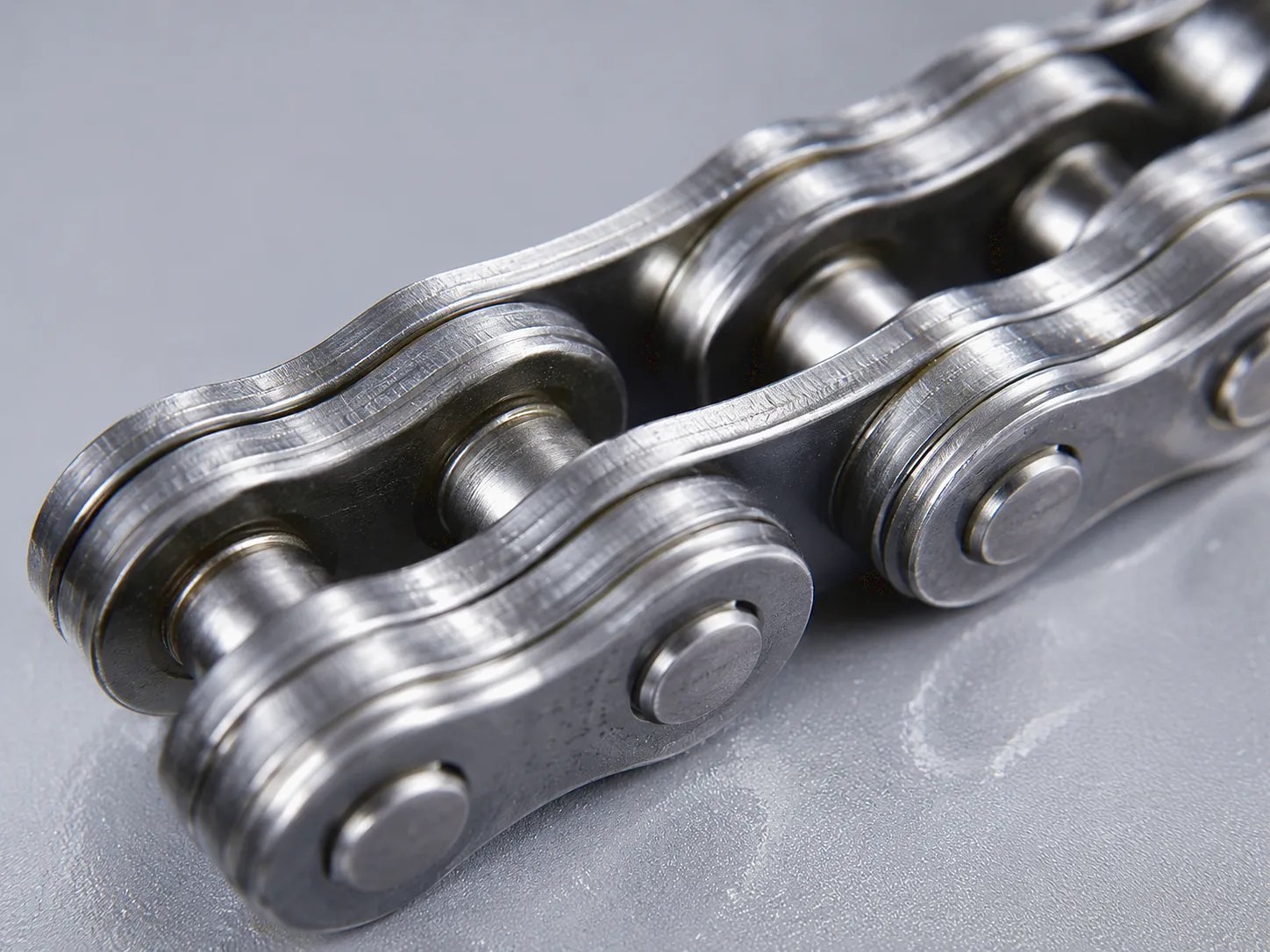
 The performance of leaf chain begins at the steel level. Ever Power sources high-carbon manganese steel (typically 50CrV4 or equivalent to EN 10083) for standard bakery-grade chain, processed through a controlled atmosphere carburising and quenching cycle that achieves surface hardness of 58–62 HRC while maintaining a tough, crack-resistant core at 35–40 HRC. This combination of hard surface and ductile core is what allows leaf chain to survive both abrasive wear at the pin-plate interface and the occasional severe shock loads that characterise real-world bakery operation.
Pin quality is equally critical. Pins are precision-ground to tolerances of ±0.005 mm on diameter, with a surface finish Ra of 0.4 µm or better. This precision is what makes it possible to achieve the close-clearance plate-to-pin fit that allows load distribution across multiple plate layers without fretting corrosion developing at the contact surfaces — a failure mode that plagues cheaper chain with looser manufacturing tolerances.
For stainless steel variants, we specify 316L as the base material, which offers superior corrosion resistance in environments containing chlorine — as is common in CIP cleaning agents used throughout the UK food industry. The 316L grade maintains adequate mechanical properties even after repeated exposure to acidic or alkaline cleaning solutions, whereas lower-grade 304 stainless may sensitise at grain boundaries with prolonged chemical exposure.
| Material Grade | Max Temp. (°C) | Corrosion Resistance | Relative Strength | Best Bakery Zone |
|---|---|---|---|---|
| 50CrV4 Alloy Steel | 250 | Low (requires lubrication) | 100% (reference) | Tunnel ovens, dough dividers |
| Stainless Steel 304 | 180 | Medium | 75% | Moderate washdown zones |
| Stainless Steel 316L | 200 | High (chlorine-resistant) | 72% | CIP, wet zones, spiral coolers |
Manufactured to Precision — Customised to Your Exact Requirement
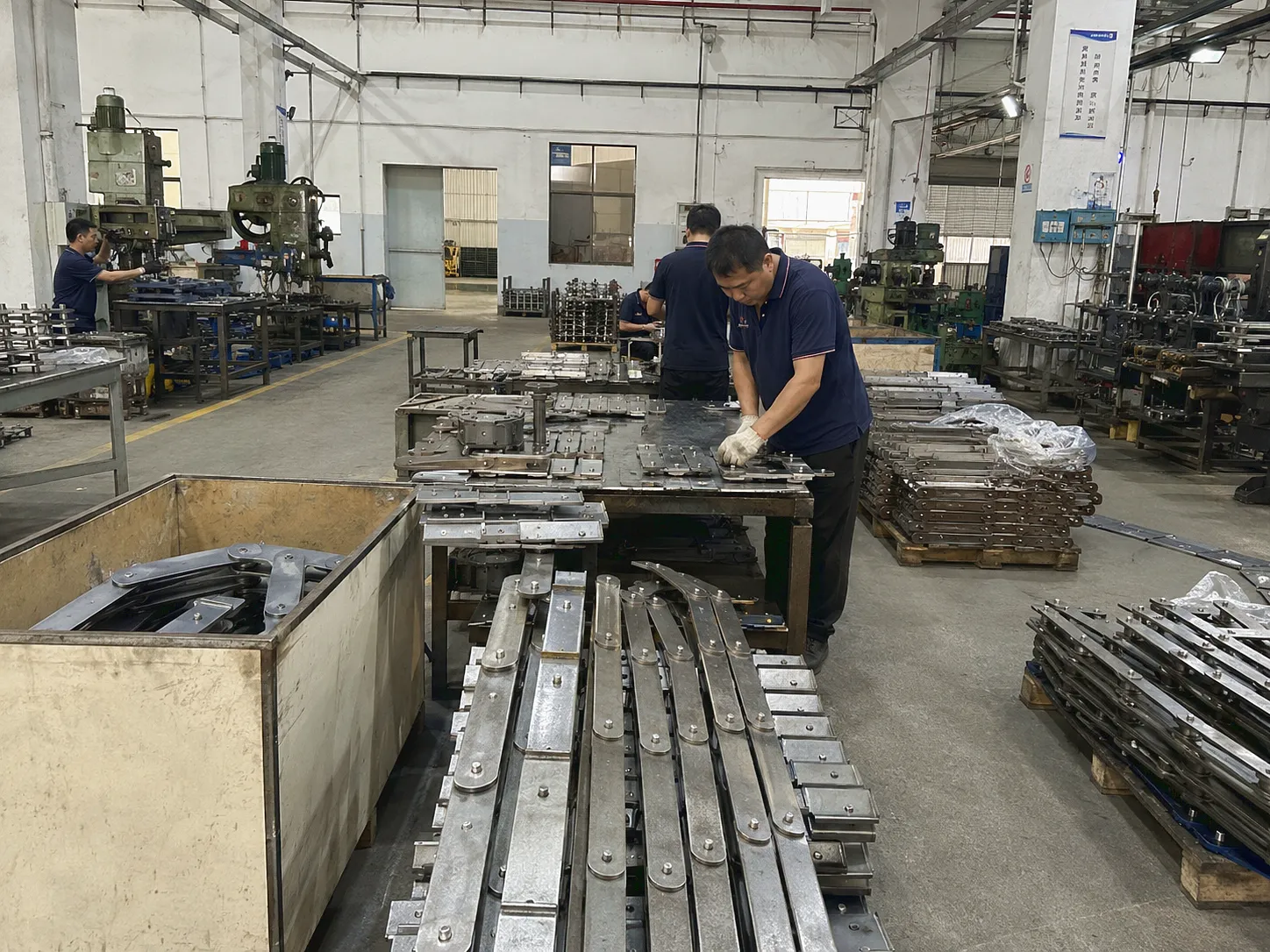
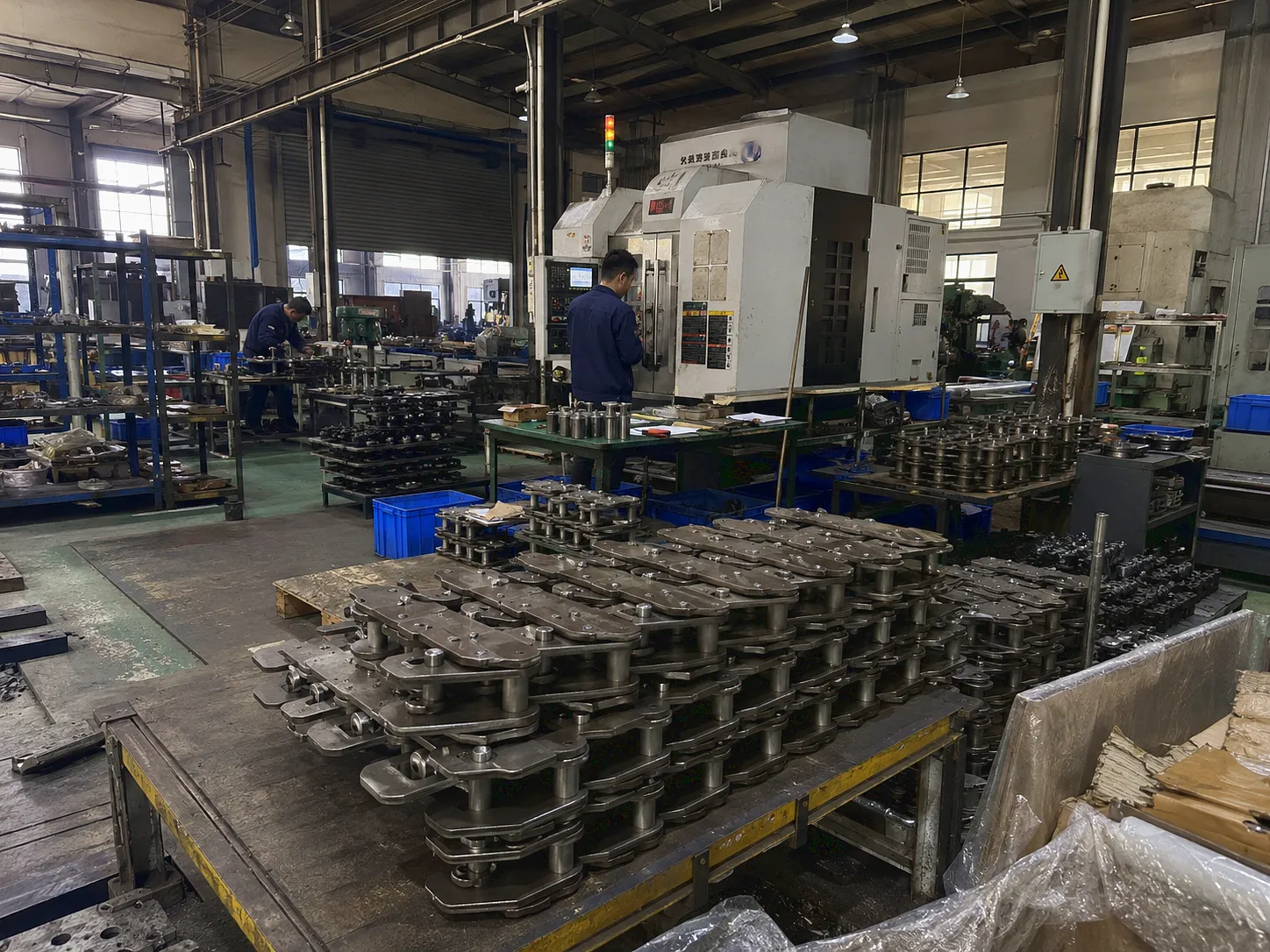
Ever Power operates modern chain manufacturing facilities with full in-house capability across cutting, pressing, heat treatment, grinding, assembly, and testing. Every chain set is manufactured against defined quality plans and tested to ISO 4347 before despatch. However, what truly sets us apart from commodity chain distributors is our product customisation capability — and this is particularly relevant for bakery plant engineers who rarely face a perfectly standard application.
🔧 Non-Standard Pitches
We can manufacture leaf chain in non-standard pitches to match existing OEM sprocket geometry on legacy bakery equipment, avoiding the need for expensive sprocket replacement during upgrade projects.
🧪 Special Coatings
Nickel-plated, zinc-phosphate, and PTFE-impregnated surface treatments are available for challenging environments. PTFE-treated leaf chain significantly reduces lubrication requirements in NSF H1-restricted zones adjacent to exposed product.
📏 Pre-Cut Lengths
Supply in exact-length drop-fit assemblies with fitted connecting links and split pins, ready for installation. Reduces maintenance time and eliminates field measurement errors during emergency breakdown replacements.
📋 Matched Pairs
For spiral conveyors requiring paired chains, we supply matched pairs with guaranteed length tolerance of ±0.1% between the two strands, eliminating belt-tracking problems that arise from mismatched chain pairs sourced separately.
Customer Success: Greenfield Bakery Group, West Midlands, UK

Greenfield Bakery Group operates three production sites in Coventry, Wolverhampton, and Birmingham, supplying fresh wrapped bread and morning goods to twelve major UK supermarket chains. Their Coventry facility runs four parallel tunnel oven lines continuously across three shifts, six days per week. The following account describes how they resolved a persistent chain failure problem that was costing them approximately £180,000 per year in unplanned downtime and emergency maintenance.
The Problem
The Coventry site had been using a standard Grade A roller chain (60-2 duplex) on its oven main drive systems. Despite running on schedule lubrication, chain wear was causing belt misalignment within 14–16 months, requiring a full planned shutdown of 18–22 hours to replace the chain set on each oven — a significant operational impact given the tight production schedule. In one six-month period, two chains failed between planned maintenance intervals, requiring emergency unplanned shutdowns at cost.
The Solution
Following a site survey and load analysis by Ever Power’s technical team, the Coventry plant was recommended to convert to BL 1288 leaf chain (alloy steel, 50CrV4, PTFE-treated) on the four oven main drives, and BL 844 stainless 316 on the secondary takeaway belt drives. The conversion was carried out over four consecutive planned weekend shutdowns across Ovens 1–4, with each conversion taking 14 hours rather than the 22-hour window previously required because the leaf chain arrived pre-cut and pre-fitted with connecting hardware.
The Outcome — 30 Months Later
Thirty months after conversion, none of the four main drive chains had required replacement. Elongation measurements taken at the 24-month inspection showed all four chains within 0.8% of original pitch — well within the 1.5% replacement threshold. The zero unplanned stoppages attributable to chain failure over this period represented a direct saving of approximately £280,000 against the previous 30-month baseline. The site engineering manager has since specified leaf chain as the standard for all new conveyor installations at Greenfield’s other two sites.
What Our Customers Say
We’d been through three different chain suppliers in five years trying to solve our spiral proofer tracking problem. Ever Power’s matched-pair leaf chain resolved it within the first month. We haven’t touched the drive system since — and that’s been over two years now. The consistency between the two chain strands is exactly what the machine needs.
David Hartley
Plant Engineering Manager — Northern England Artisan Bakery Co., Leeds
The PTFE-treated stainless chain from Ever Power has transformed our CIP routine. Previously we had to allow 40 minutes post-washdown before relubricating the chain — now the chain simply runs after cleaning without relubrication in the low-speed zones. For a bakery running BRCGS audit-standard hygiene, that’s a significant practical benefit that I hadn’t anticipated when we first specified the product.
Sandra Whitfield
Head of Engineering — Meridian Food Products Ltd, Nottingham
When our biscuit cutting line chain failed without warning during a peak production run before Christmas, Ever Power had a matching replacement pre-cut and dispatched from their UK stock the same afternoon. It’s rare to find a supplier who understands the operational cost of every additional hour of downtime in a food factory. That experience alone has made Ever Power our sole approved leaf chain supplier.
James Fenton
Maintenance Director — Peak Biscuit Manufacturing, Derby
Installation, Lubrication, and Condition Monitoring in Bakery Environments
Leaf chain’s performance potential is only realised when installation and lubrication practices are appropriate for the specific bakery environment. The following guidance reflects accepted practice for UK food industry installations and is consistent with recommendations issued by the British Flour Millers’ Association and published guidance from the Food and Drink Federation’s engineering working group.
Initial Tensioning
Set initial chain tension to achieve 1–2% sag in a free-hanging run between sprockets. Over-tensioning is a common installation error that dramatically accelerates pin and plate wear by eliminating the clearance needed for the chain to articulate freely at each link. Under a correctly tensioned system, leaf chain should exhibit a clean, regular catenary curve with no tight spots when rotated slowly by hand before first power application.
Food-Grade Lubrication
All lubricants used on chains with any possibility of incidental food contact must comply with NSF H1 certification. In tunnel oven applications above 180 °C, standard H1 mineral oils volatilise rapidly; high-temperature NSF H1 synthetic lubricants (PAO base, ISO VG 220 or higher) are required. Apply lubrication to the inner side of the chain where it enters the sprocket — this is the articulating zone where metal-to-metal contact actually occurs, not at the outer plate surfaces where lubricant is commonly but incorrectly applied.
Elongation Monitoring
Measure chain elongation over a standardised reference length (minimum 12 links) every six months using calibrated gauge pins or a pitch measurement tool. Record results in a maintenance log referenced to the individual chain serial number. Replace the chain when elongation reaches 1.5% of nominal pitch length. For systems with critical belt tracking requirements (spiral conveyors), the replacement threshold should be tightened to 1.0%. This proactive approach eliminates emergency failures while ensuring chains are not replaced prematurely — a common cost driver when subjective visual judgement is used instead of measurement.
Serving UK Bakeries — from Scotland to the South East
The United Kingdom has one of Europe’s most concentrated and demanding commercial baking sectors. From the large-scale bread plants of the Midlands and Yorkshire to the growing artisan and speciality bakeries of London and the South East, Ever Power holds UK-based stock of the most common BL-series leaf chain sizes, enabling same-day despatch to any mainland UK address for standard sizes. Our UK technical support team can provide application engineering support by phone or email during UK business hours, and we can arrange site visit consultations for larger or more complex installations anywhere on the British mainland.
Midlands & Yorkshire
UK’s core bread and morning goods manufacturing heartland — same-day despatch available
North West England
Large plant bakeries in Manchester and Liverpool — custom pre-cut chain assembly available
London & South East
Artisan and speciality bakery growth markets — smaller batch customisation supported
Scotland & Wales
Next-day delivery to all mainland locations — technical consultation on request
Frequently Asked Questions
Answers to the questions bakery plant engineers and procurement teams most commonly ask about specifying leaf chain for UK food production applications.
Ready to Upgrade Your Bakery Line?
Our UK application engineering team will review your bakery line specifications, recommend the correct leaf chain type and size, and provide a competitive quote — typically within one business day. No obligation, no minimum order on standard sizes.
Ever Power Transmission — Leaf Chain Specialists serving UK bakeries and food production facilities
edit by gzl