
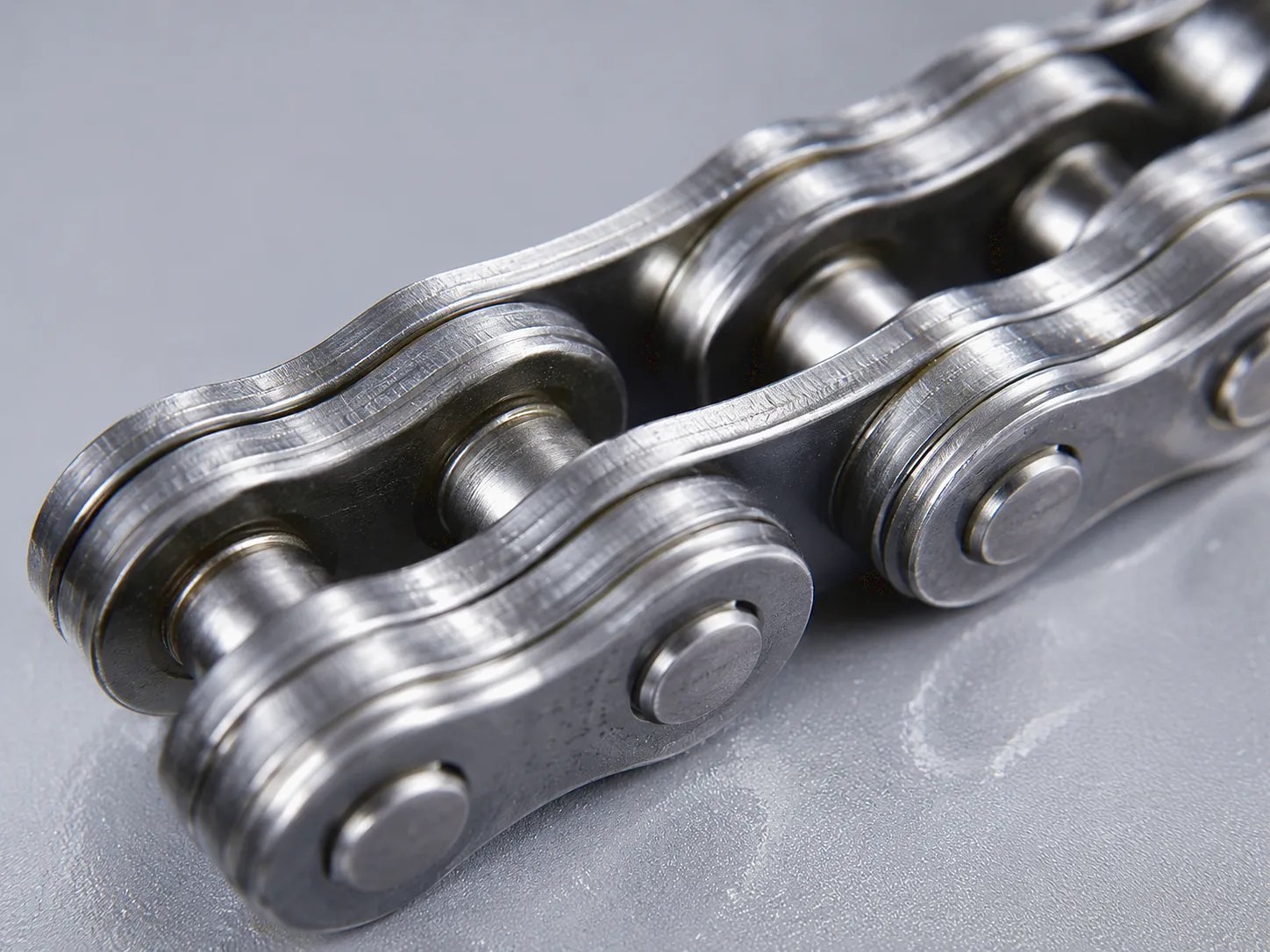
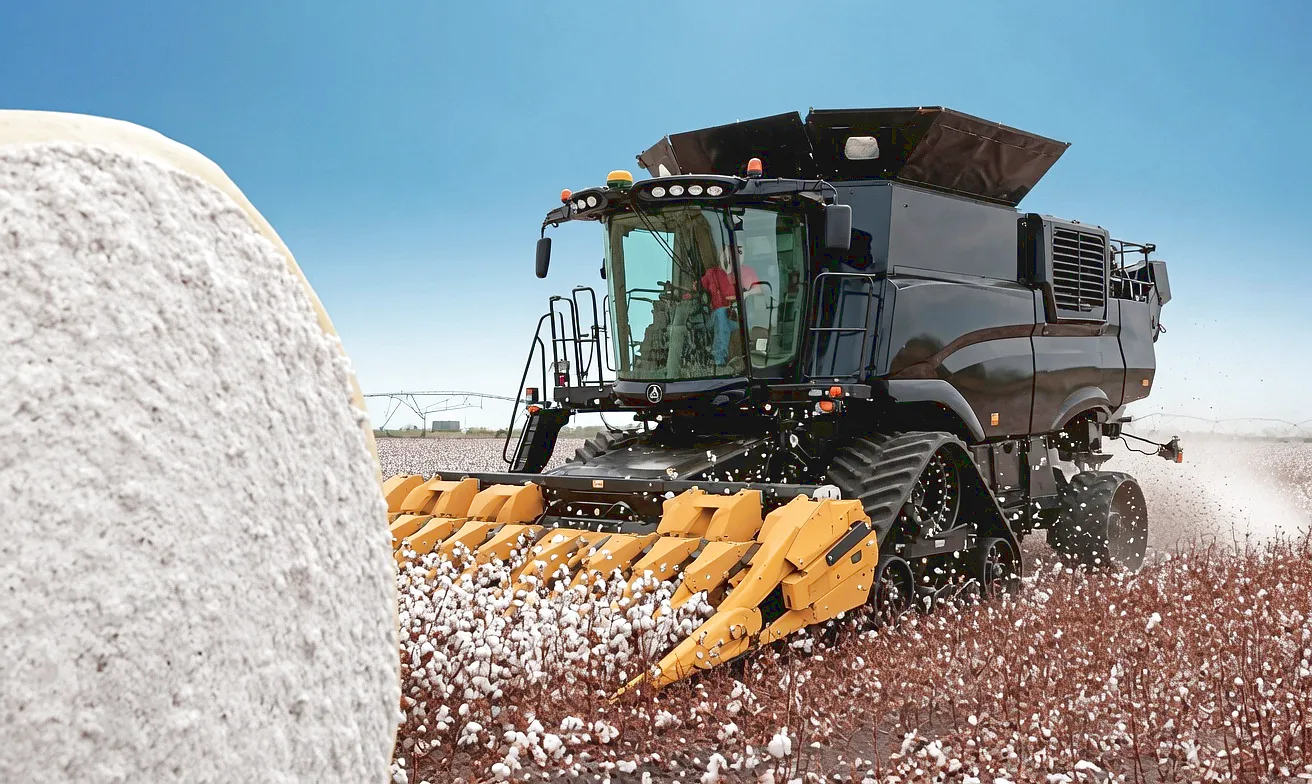
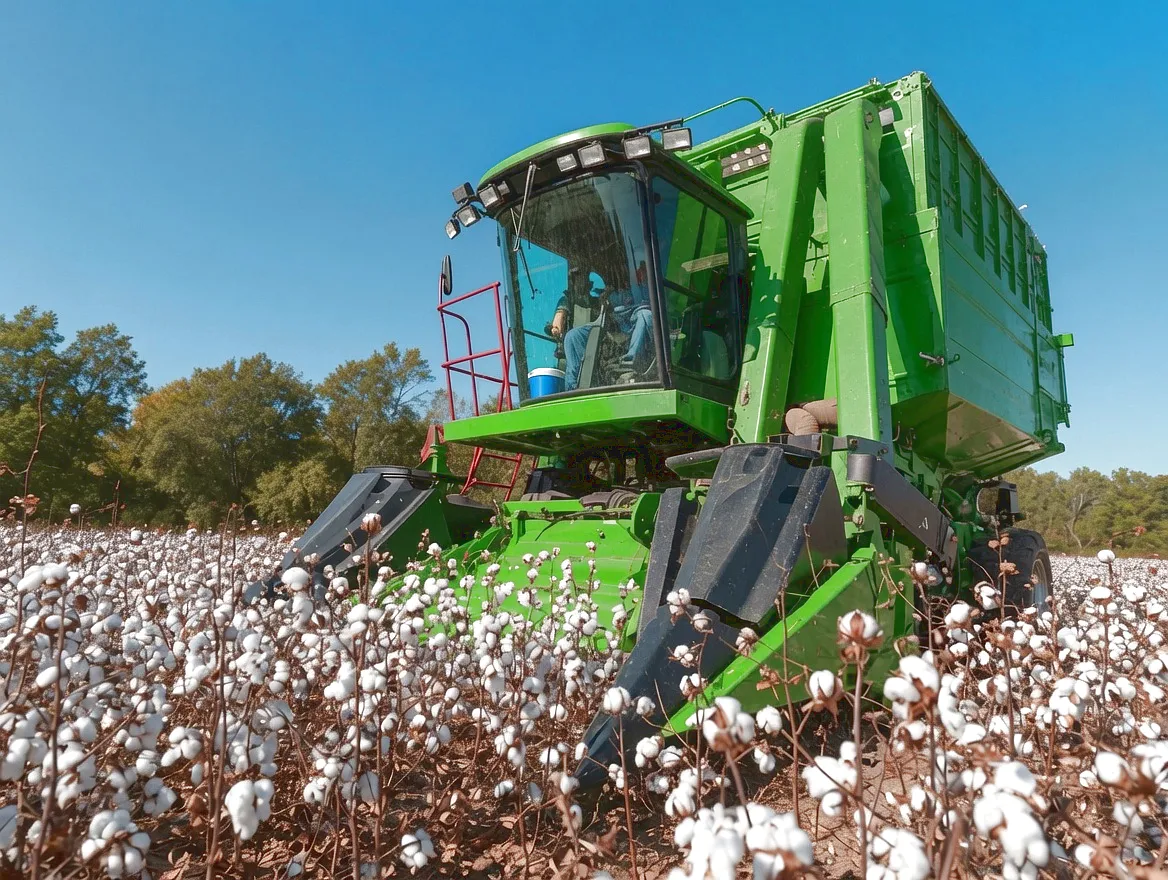
 Cotton picking machines are some of the most mechanically demanding agricultural equipment in operation today. From the moment the spindles begin rotating at harvest time to the final bale being formed, every drivetrain component is subjected to continuous cyclic loading, abrasive dust, fibrous debris, and unpredictable shock forces that would destroy a lesser chain within a single season. The leaf chain — sometimes called a forklift leaf chain or lacing chain in related industries — has quietly become the backbone of cotton harvester drive systems precisely because its flat-plate, pin-and-link architecture handles these exact conditions better than any alternative.
At Ever Power, we have spent more than 18 years engineering leaf chains specifically for high-stress agricultural applications across the United Kingdom and globally. Our experience with cotton picker applications in particular has shaped a product range that goes far beyond catalogue specifications — we understand what happens at row 400 of an August harvest, when ambient temperatures push above 35°C and the chain is still expected to perform flawlessly. This article unpacks everything procurement engineers, fleet managers, and agricultural machinery distributors need to know about selecting the right leaf chain for cotton picker machines.
What Is a Leaf Chain — and Why Does It Matter in Cotton Harvesting?
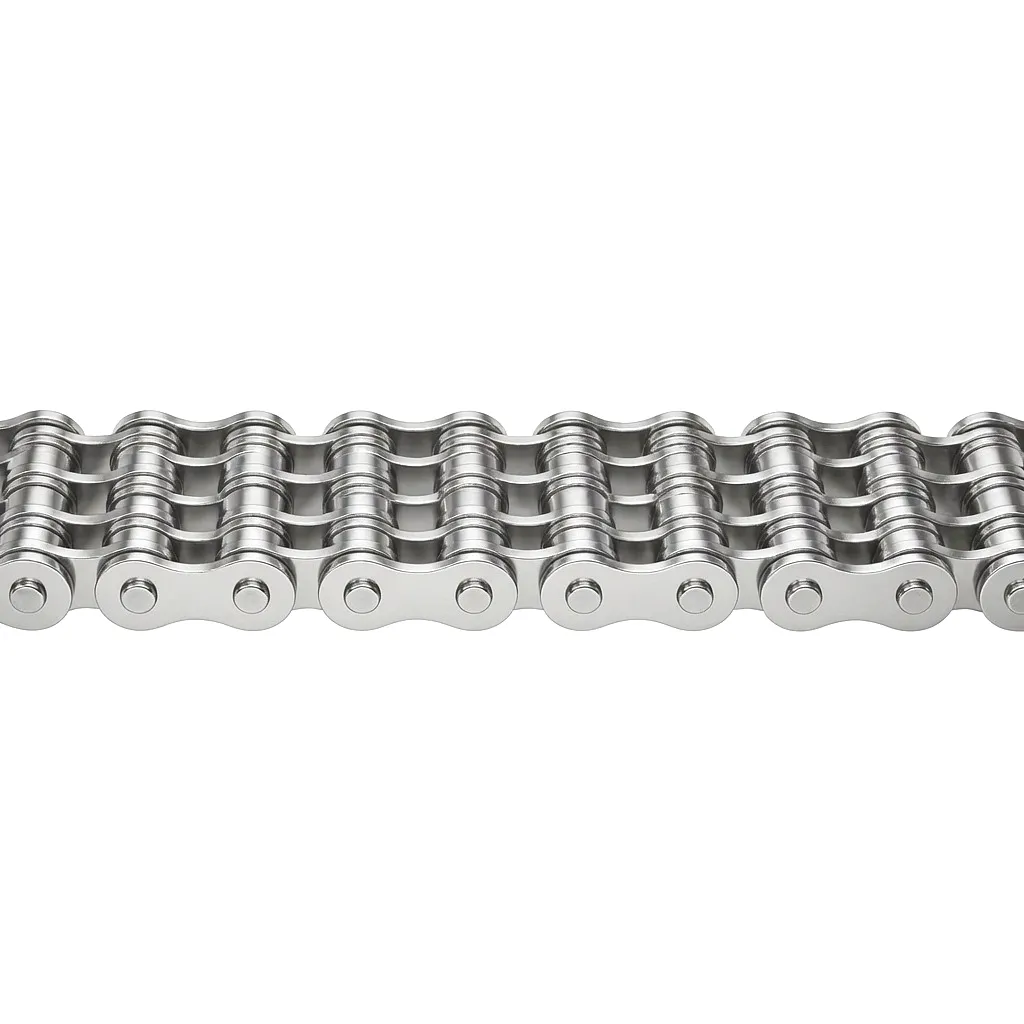
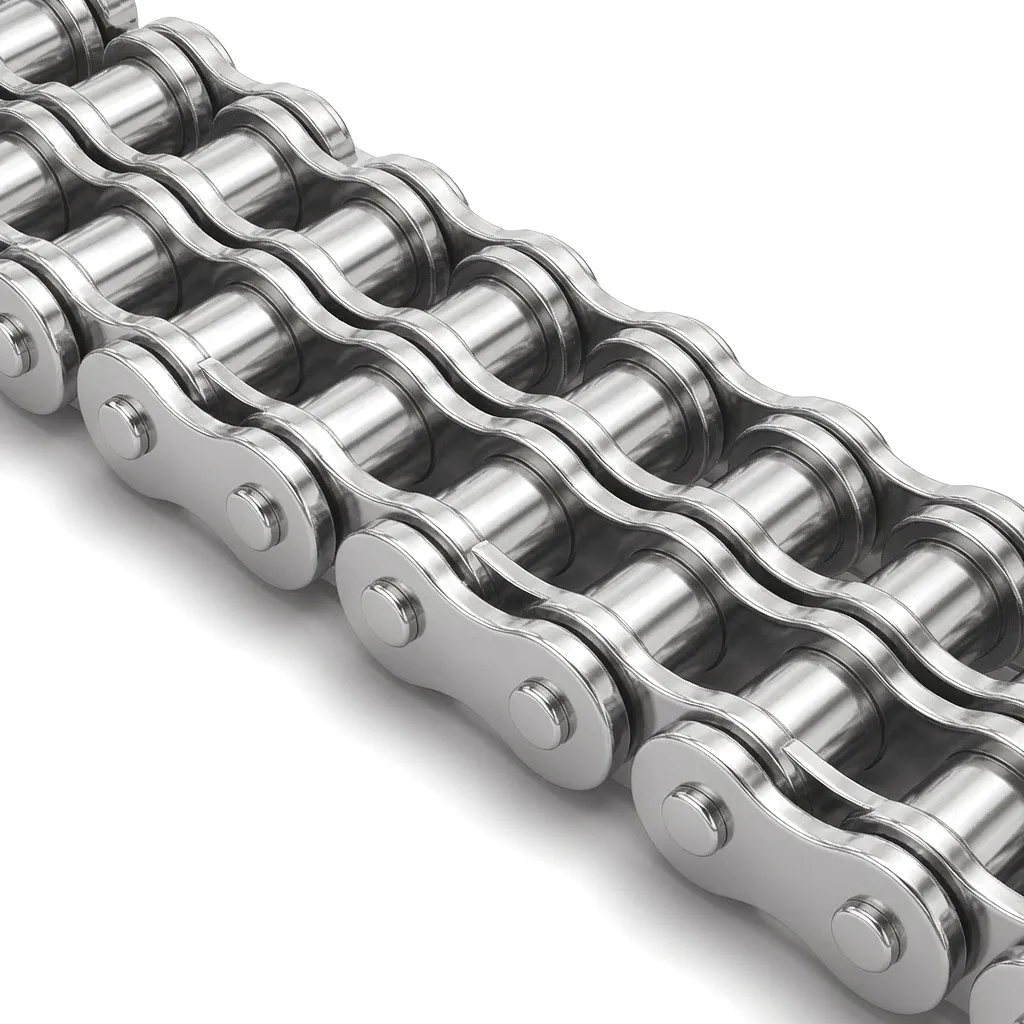
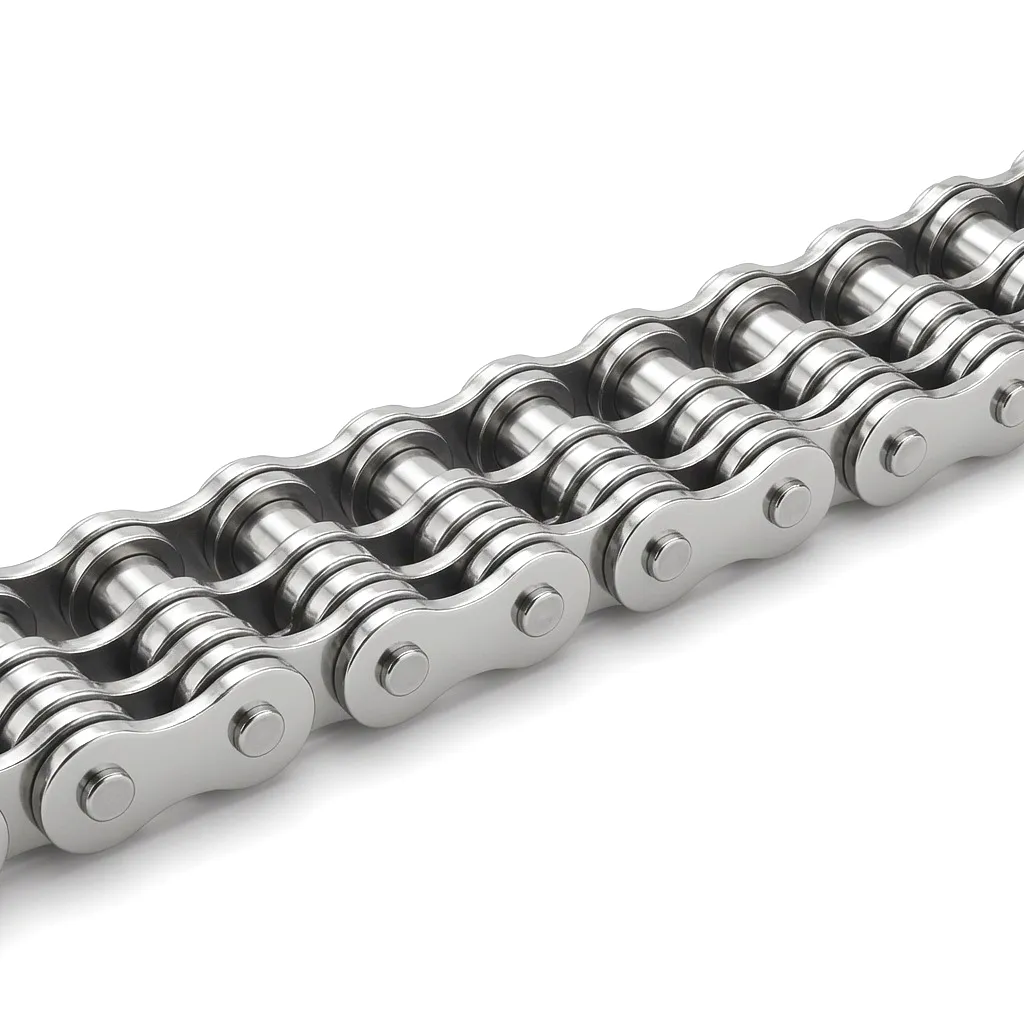
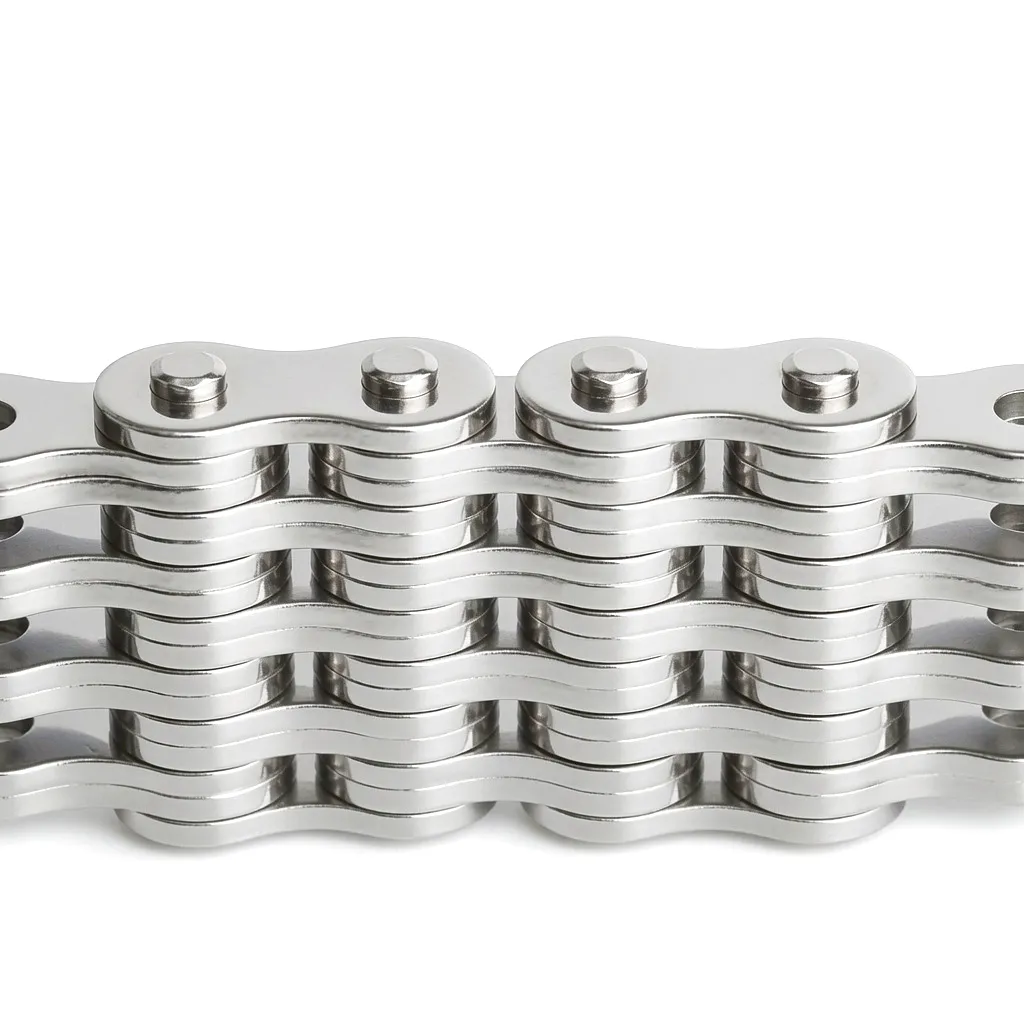
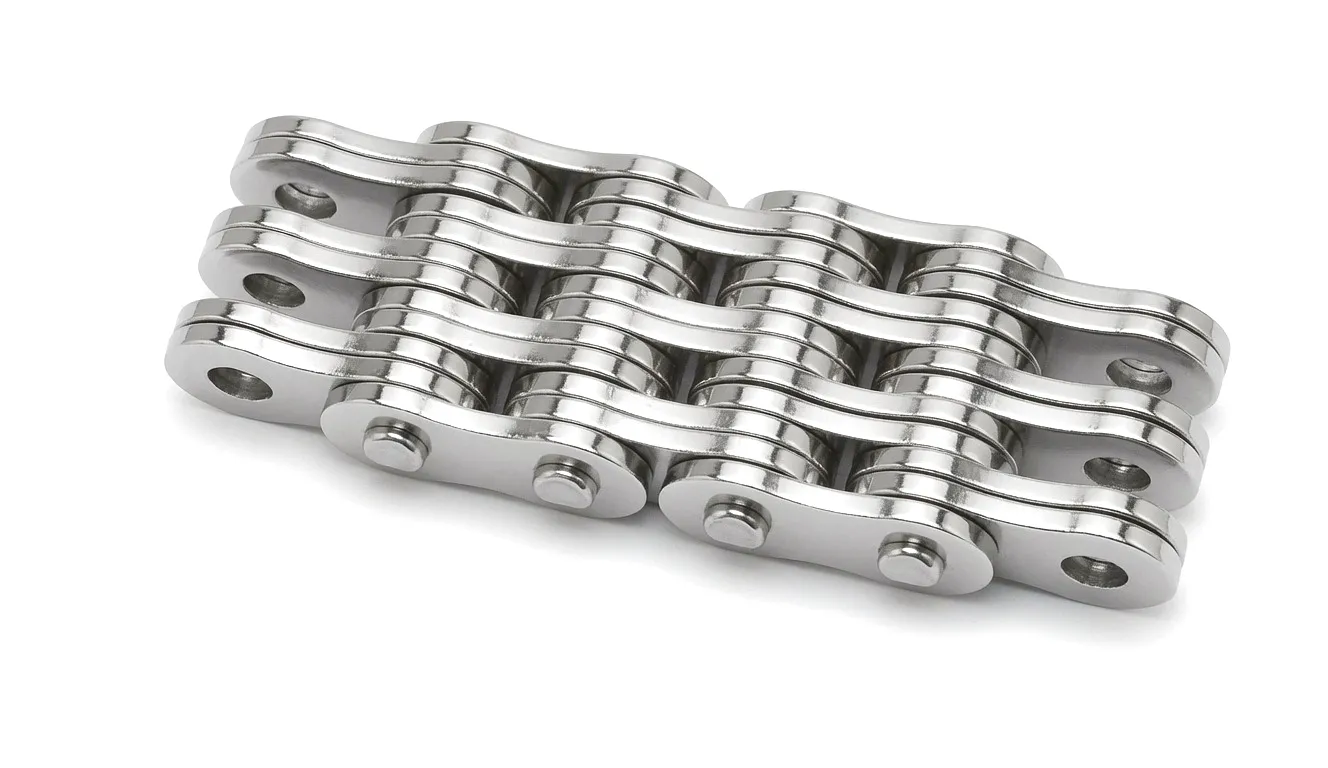
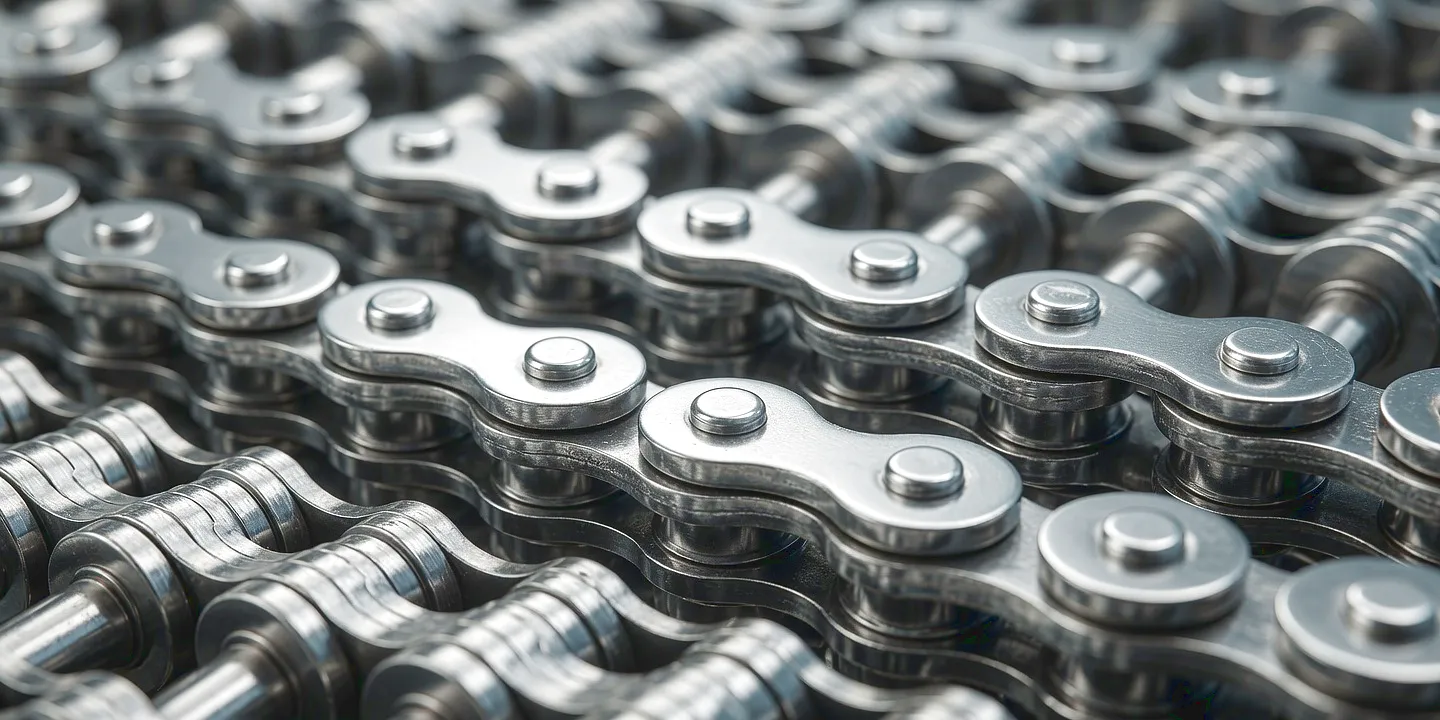
A leaf chain is a type of drive or lifting chain constructed from interleaved rows of flat steel link plates joined by hardened steel pins. Unlike roller chains which use rollers to reduce friction against sprockets, leaf chains rely entirely on their plate geometry and pin hardness to transmit tensile loads and withstand articulation. The design traces its origins to industrial forklift mast systems, but the same characteristics that make it exceptional in vertical load-bearing applications — high tensile strength, compact cross-section, and reliable fatigue performance — translate remarkably well into cotton harvester architecture.
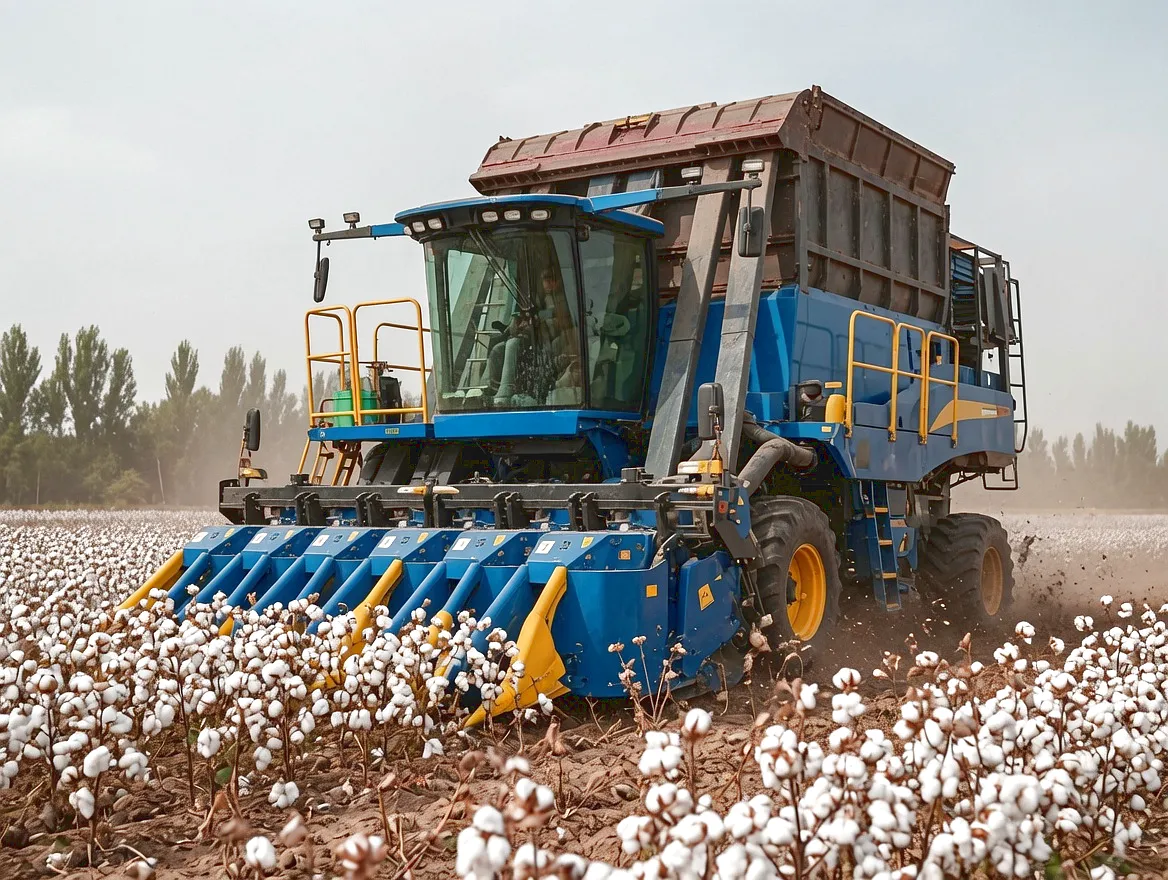 Inside a cotton picker, the leaf chain typically appears in the picker head lift mechanism, the conveying drum drive, and in some configurations, the basket elevator system. These are all points where the machine must move heavy masses reliably, thousands of times per operating day, without the luxury of frequent maintenance stops. Cotton harvesting seasons are tight. In the UK’s growing regions and globally, downtime during peak harvest translates directly to crop loss. A chain failure that takes a machine out of commission for even four hours can cost a farm operation thousands of pounds.
The mechanical environment inside a cotton picker is also unusually hostile to standard drive components. Cotton fibres and boll fragments constantly infiltrate every gap in the drivetrain. Fine soil and abrasive silica particles settle on every surface. During spindle operation, the chain experiences not just steady tensile load but rapid cyclic stress reversals every time a row unit engages a new plant. Standard roller chains crack at the roller, wear at the bushing, and ultimately elongate to the point where they jump sprocket teeth. Leaf chains, with no rollers to crack and no bushings to collapse, wear differently and far more predictably, giving operators a reliable elongation signal well before catastrophic failure.
Technical Specifications: Ever Power Leaf Chain Range
| Chain Series | Pitch (mm) | Pin Dia. (mm) | Breaking Load (kN) | Trọng lượng (kg/m) | Buộc dây | Cotton Picker Use |
|---|---|---|---|---|---|---|
| BL 422 | 12.70 | 4.45 | 13.0 | 0.54 | 2×2 | ✓ Light duty |
| BL 623 | 19.05 | 5.72 | 31.5 | 1.04 | 3×3 | ✓ Conveyor drive |
| BL 844 ★ | 25.40 | 7.92 | 71.2 | 2.24 | 4×4 | BEST FIT |
| BL 1022 | 31.75 | 9.53 | 99.6 | 3.12 | 2×2 | ✓ Lift cylinder |
| BL 1244 | 38.10 | 11.10 | 151.0 | 5.40 | 4×4 | ✓ Heavy systems |
★ BL 844 is the most commonly specified series for mainstream cotton picker conveying and elevator systems. Custom pitch, lacing configurations, and surface treatments available upon request.
Material Science Behind Agricultural-Grade Leaf Chain
Alloy Steel Plates
Link plates are manufactured from 20MnCr5 or 42CrMo4 alloy steel, carburised to a case depth of 0.3–0.6mm and hardened to 58–64 HRC on the working surfaces. This combination delivers a tough, impact-resistant core with an exceptionally wear-resistant outer layer that resists abrasive cotton boll debris grinding against the chain sides throughout a full harvest season.
Hardened Steel Pins
Connecting pins undergo through-hardening to 42–48 HRC to resist the bending stresses induced during cyclic loading, while retaining enough toughness to absorb shock loads without brittle fracture. Pin surface finish is ground to Ra 0.4 or better, which dramatically reduces fretting wear at the plate-pin interface — the primary failure mode in agriculturally exposed chains operating without regular lubrication windows.
Surface Protection Options
For cotton picker applications in humid subtropical or irrigated growing regions, we offer zinc-nickel electroplating (12–15 micron) and geomet coating to combat corrosion during off-season storage. Shot-peening of link plates is also available as a pre-treatment to induce compressive residual stresses that extend fatigue life by 25–40% under high-cycle reversing loads — a measurable advantage in multi-shift harvesting operations.

Why Leaf Chain Outperforms Roller Chain in Cotton Picker Drive Systems
Engineers who have had the opportunity to run controlled wear comparisons between leaf chain and roller chain in cotton harvester applications consistently report the same finding: under the specific load profile of a picker head or basket elevator, leaf chain provides meaningfully longer service life and more predictable elongation behaviour. The reasons are rooted in how each design distributes stress at the joint.
In a roller chain, the bushing wall takes the majority of the compressive load from the sprocket tooth, while the rollers absorb the impact. Cotton debris acts as a grinding compound inside the bushing-roller clearance, rapidly accelerating wear. Once the bushing wears through its case depth, wear rates accelerate non-linearly, and elongation becomes unpredictable. In contrast, the leaf chain joint is a simple pin-plate bearing. There is no bushing to collapse, no roller to crack. The load path is direct and the wear rate is proportional to operating hours in a way that maintenance engineers can actually plot and predict.
Tensile strength is the other key differentiator. A BL 844 leaf chain at 71.2 kN breaking load can be matched by a similarly pitched roller chain only at a much larger cross-section — which means heavier weight and larger sprocket requirements. For cotton picker designers trying to minimise rotating mass in the header assembly to reduce horsepower demand, the strength-to-weight ratio of leaf chain is a genuine engineering advantage. Our tests show leaf chain achieving 15–20% lower operating temperature in the drive system, directly attributable to reduced articulation friction and lower moving mass.
Specific Application Points: Where Leaf Chain Works Inside Cotton Pickers
Key Advantages of Ever Power Leaf Chain for Cotton Picker Applications
Manufacturing Excellence & Custom Engineering Capability
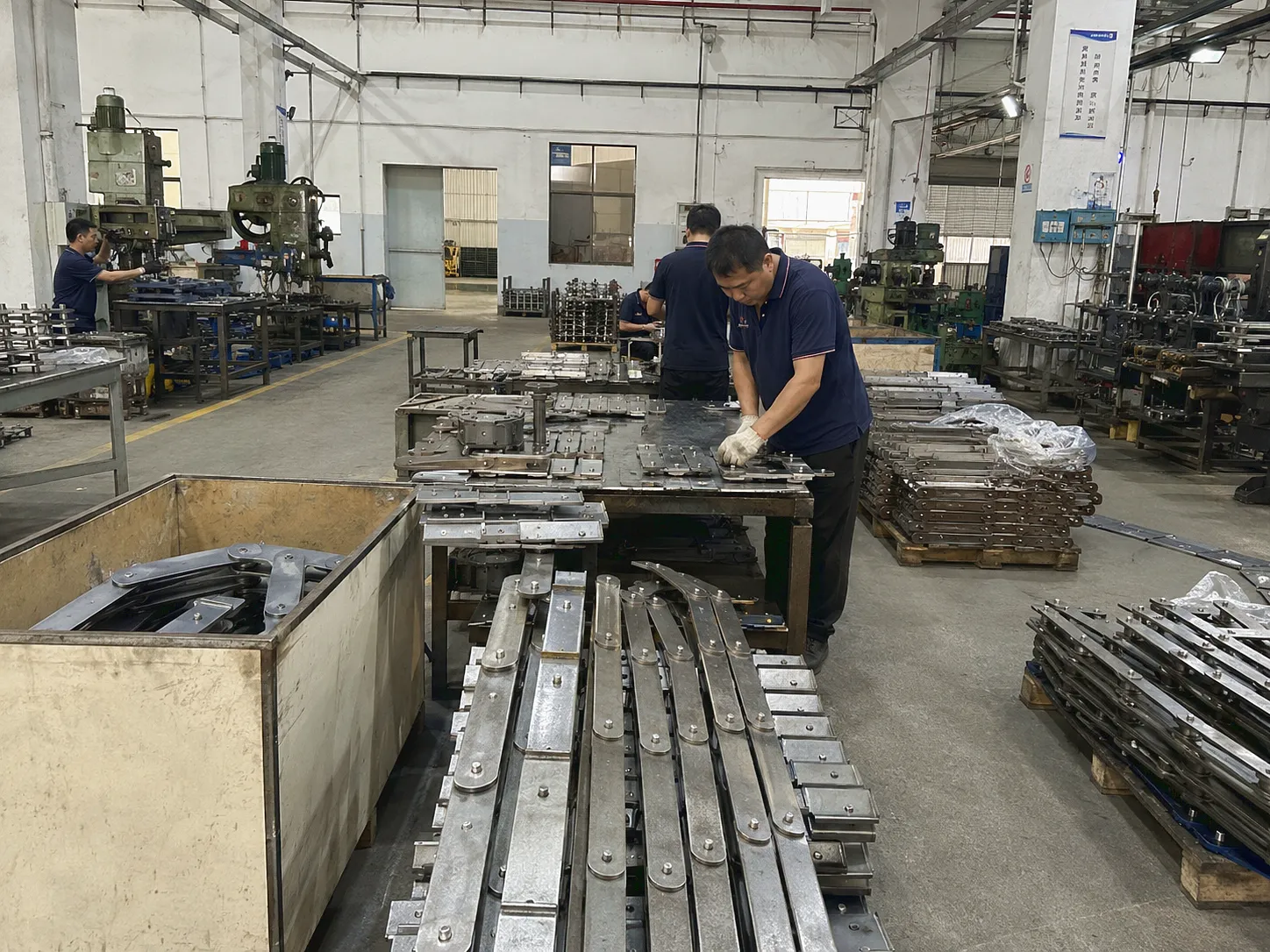
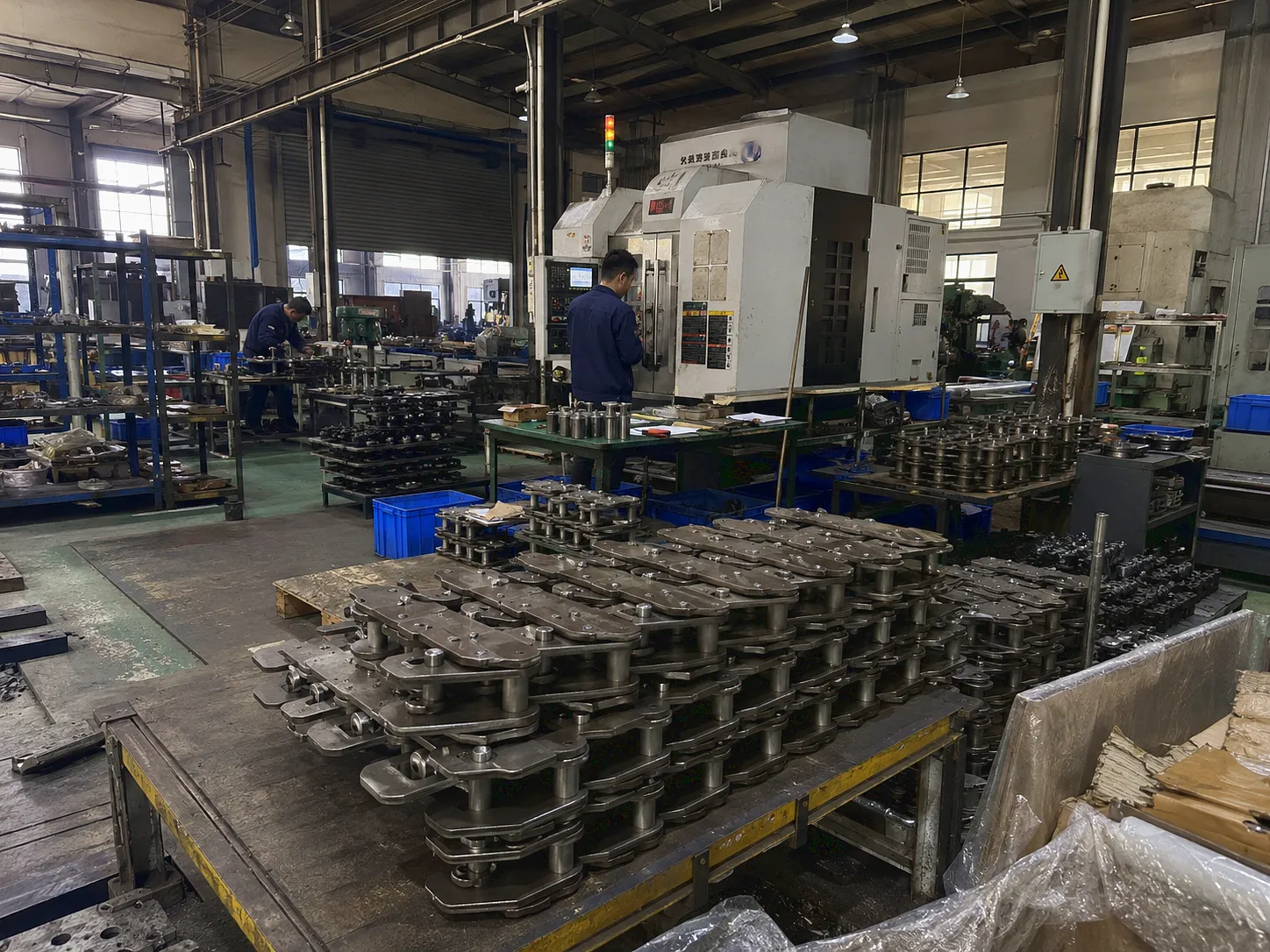
Ever Power’s manufacturing facility operates across 28,000 square metres of production floor space, equipped with CNC heat treatment furnaces capable of processing 120 tonnes of chain stock monthly, coordinate measuring machines for 100% dimensional verification on critical components, and a dedicated fatigue testing laboratory where new chain designs are subjected to accelerated life testing at 1.5x rated load before any product is released to agricultural customers.
The customisation programme at Ever Power is a genuine differentiator in the leaf chain supply market. Where most catalogue suppliers can offer only standard lacing configurations and pitch options, our engineering team works directly with cotton picker OEMs and agricultural machinery importers to develop chain assemblies precisely matched to specific machine architectures. This includes chains with machined attachment plates for sensor mounting, chains with modified outer link geometry to fit non-standard sprocket profiles on older harvester models, and complete chain-and-anchor assemblies with integrated adjustment hardware that arrive on the assembly floor ready to fit — eliminating fabrication operations that add cost and lead time at the customer’s facility.
For UK-based agricultural machinery distributors, we maintain a dedicated inventory programme for the most commonly specified leaf chain grades used in cotton handling equipment. This ensures 2–5 day delivery lead times on standard orders from our European logistics hub, with custom specification orders typically completing within 4–6 weeks from approved drawings. We also offer consignment stock arrangements for high-volume distributors, eliminating the cost of carrying slow-moving inventory while ensuring immediate availability during the critical pre-harvest preparation period.
Supplying UK Agricultural Equipment Manufacturers and Distributors
 The United Kingdom’s agricultural machinery sector is served by a network of regional distributors, OEM-aligned importers, and independent repair workshops that collectively maintain tens of thousands of harvesting machines across the country’s major arable and specialty crop growing regions. Cotton cultivation in the UK remains small compared to global production, but the machinery used by British agricultural contractors working internationally, and by machinery importers supplying global markets from UK-based operations, represents a significant and growing demand for high-specification drive components.
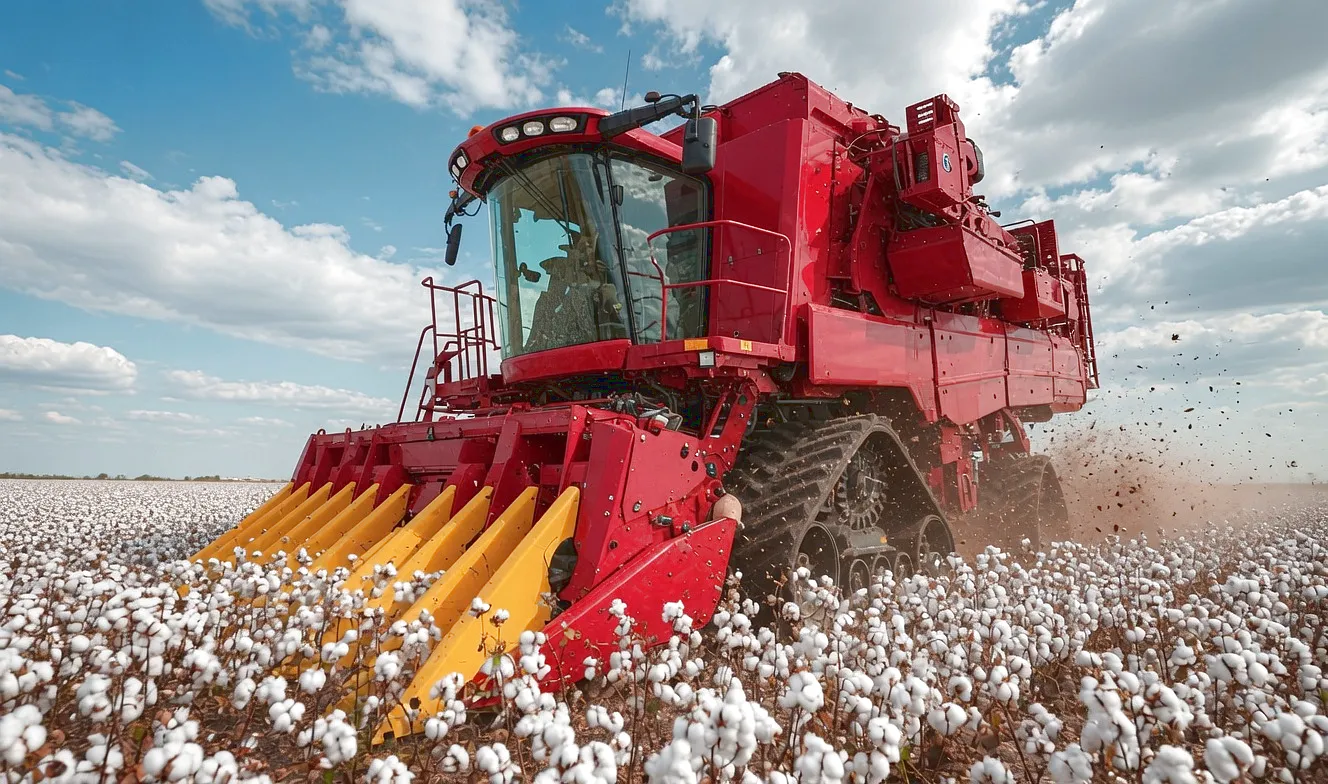
Ever Power has developed specific supply arrangements with UK-based agricultural machinery distributors who require reliable access to leaf chain for cotton picker applications — including compatibility with John Deere CS690 and CS770 series pickers, Case IH Module Express 625 and 635 machines, and Fendt 9490X Cotton harvester platforms. Our chains are dimensionally verified against OEM specifications and carry full documentation for traceability audits required by quality management systems operating to ISO 9001 or comparable standards.
For machinery dealers in the East Midlands, East Anglia, and the agricultural hubs of Scotland’s Tayside region who handle imported harvesting equipment, we offer a dedicated dealer support programme. This includes technical application assistance, chain sizing and specification guidance for non-standard configurations, and priority processing for urgent orders during pre-season preparation. Our UK trade customers consistently cite the combination of technical competence and genuine supply reliability as the factors that set Ever Power apart from other leaf chain suppliers in the market.
John Deere CS770
Case IH ME 625
Case IH ME 635
Fendt 9490X
Custom OEM builds
Customer Success: How One Australian Cotton Operation Transformed Its Maintenance Economics
 Whitegum Cotton operates a fleet of six self-propelled cotton pickers across approximately 3,800 hectares of irrigated cotton country in northern New South Wales, with a harvesting window that typically runs from late March through to late May each year. Fleet manager Darren K. had been dealing with recurring leaf chain failures in the basket elevator drives of two of their older John Deere CS690 units — both machines would lose a chain at least once per season, and the unplanned downtime during the cost-sensitive harvest period was creating significant economic pressure on the operation.
We had tried three different chain suppliers over seven harvest seasons and always had at least one breakdown per season in the elevator drives. After switching to Ever Power’s BL 844 with shot-peening, we ran a full 2023 harvest with zero failures across six machines. For us, that is not a small thing — one breakdown at the wrong time can cost more than a full year of chain spend. The price was higher up front but the outcome was never in doubt by the end of the season.
As a UK importer of refurbished cotton harvesting equipment, I need a chain supplier who can match non-standard lengths and provide proper technical documentation for re-export. Ever Power handled a batch of custom-length BL 623 chains for a picker head rebuild project within four weeks, including material certs and elongation test reports. That level of service from a chain supplier is genuinely rare. We have since placed them on our approved supplier list for all cotton equipment refurbishment work.
We source spare parts for a cotton cooperative operating twelve pickers in southern Spain’s Sevilla province and needed a reliable leaf chain supplier with European logistics. Ever Power’s stock programme has been excellent. We received our last order of BL 844 series chains in three days, and the chains were dimensionally perfect — no adjustments needed at installation. The technical support when we were specifying the replacement for an unusual 2×6 lacing configuration was also very professional and helped us avoid a costly error.
Maintenance Intervals and Field Service Guidance for Cotton Picker Leaf Chain
Correctly maintained chuỗi lá in a cotton picker application will reliably reach its elongation replacement limit before reaching fatigue life — which means predictable end-of-life rather than sudden failure. The standard practice is to measure chain pitch elongation at regular operating hour intervals using a calibrated chain wear gauge. When measured elongation reaches 2–3% of nominal pitch length across a 300mm gauge length, the chain should be scheduled for replacement at the next planned maintenance window, not driven to failure.
Lubrication is the single most impactful maintenance action for extending leaf chain service life in the field. In cotton picker applications, the challenge is that standard open-chain lubricants attract cotton fibres and dust, potentially forming abrasive sludge within the pin-plate clearance. Ever Power recommends a dry-film PTFE lubricant applied at 100-hour intervals for elevator and conveying chains, which provides adequate pin-plate lubrication without the fibre-attracting properties of wet oils. For head lift cylinder chains, which operate at lower speed and higher tension, a heavy-bodied EP gear oil applied every 150 hours maintains adequate film thickness.
Visual inspection at each daily pre-harvest check should focus on pin end peening (indicating correct pin retention), plate distortion or cracking at the pin holes (indicating overload events), and any sections of the chain where the pitch appears shorter than adjacent sections — this localised compression zone indicates a plate that has yielded under shock load and will soon develop a fatigue crack. Any of these conditions warrant immediate investigation and potentially chain replacement before the section continues harvesting operations.

| Application Point | Lube Interval | Inspect Interval | Replace Trigger | Recommended Lubricant |
|---|---|---|---|---|
| Basket Elevator | 100 hrs | Daily visual + 50hr gauge | 2% elongation | Dry PTFE film spray |
| Head Lift Cylinder | 150 hrs | 50hr visual | 3% elongation | EP gear oil ISO VG 220 |
| Conveying Drum Drive | 100 hrs | Daily visual + 50hr gauge | 2.5% elongation | Dry PTFE film spray |
| Row Unit Linkage | 50 hrs | Daily visual | 2% elongation / plate crack | Lithium complex grease |
Product Gallery: Ever Power Leaf Chain Range
Ready to Upgrade Your Cotton Picker Leaf Chain?
Talk to our application engineers about the right leaf chain specification for your cotton harvesting equipment. We offer same-day quote turnaround for standard sizes, and 48-hour feasibility assessments for custom configurations.