
Complete Sector Coverage
Each sector below represents years of application engineering, field-tested performance data, and real-world leaf chain deployments across demanding industrial environments.
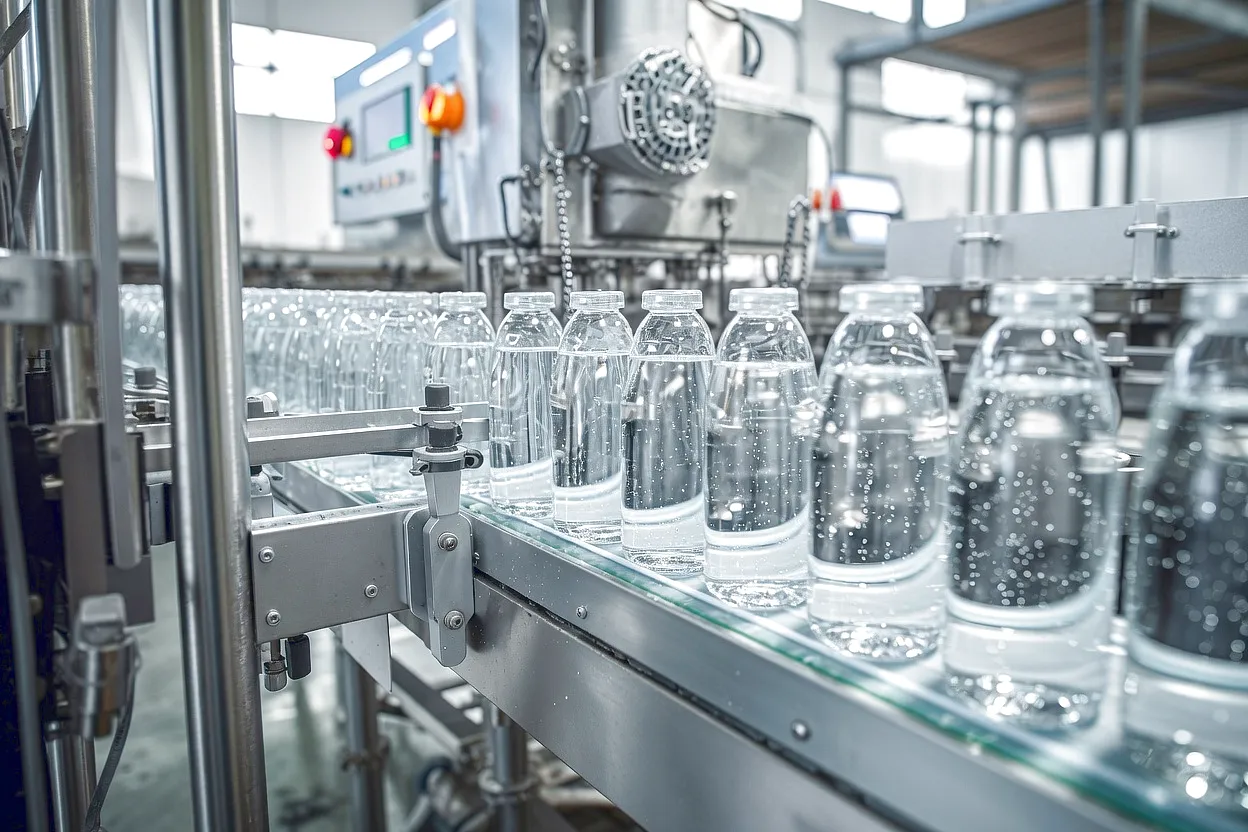
Beverage Filling Production Lines
High-speed beverage bottling environments subject leaf chain to relentless cyclic tension, corrosive washdown fluids, and strict hygienic requirements. Precision-pitch leaf chain engineered for food-grade applications ensures uninterrupted throughput across rotary fillers, capping units, and conveyor transfer systems operating around the clock in UK bottling plants.
Chaînes à maillons pour lignes de production d'embouteillage de boissons : Guide d'ingénierie complet pour les systèmes d'entraînement haute vitesse et haute fiabilité
Comprehensive engineering parameters for specifying leaf chain in high-speed beverage filling, covering MBL calculations, pitch wear limits, and lubrication schedules for CIP-compatible environments.
Chaîne porte-feuilles pour lignes de production de remplissage de boissons : le choix technique pour une production à haute vitesse ininterrompue
Explores why leaf chain outperforms roller chain alternatives in high-cycle beverage line drives, with case study data on elongation rates, fatigue life, and planned maintenance intervals.
Chaînes de production à feuilles pour le remplissage de boissons : la vérité technique derrière la fiabilité de l’embouteillage à grande vitesse
Unpacks the material science and tolerance specifications that determine leaf chain service life in wet, high-throughput bottling environments, addressing common failure modes and prevention strategies.
Chaîne porte-feuilles pour lignes de production de remplissage de boissons : le guide d'ingénierie complet
A structured reference guide for maintenance engineers and procurement teams specifying leaf chain across beverage filling, capping, and labelling line drive applications across UK food manufacturing sites.
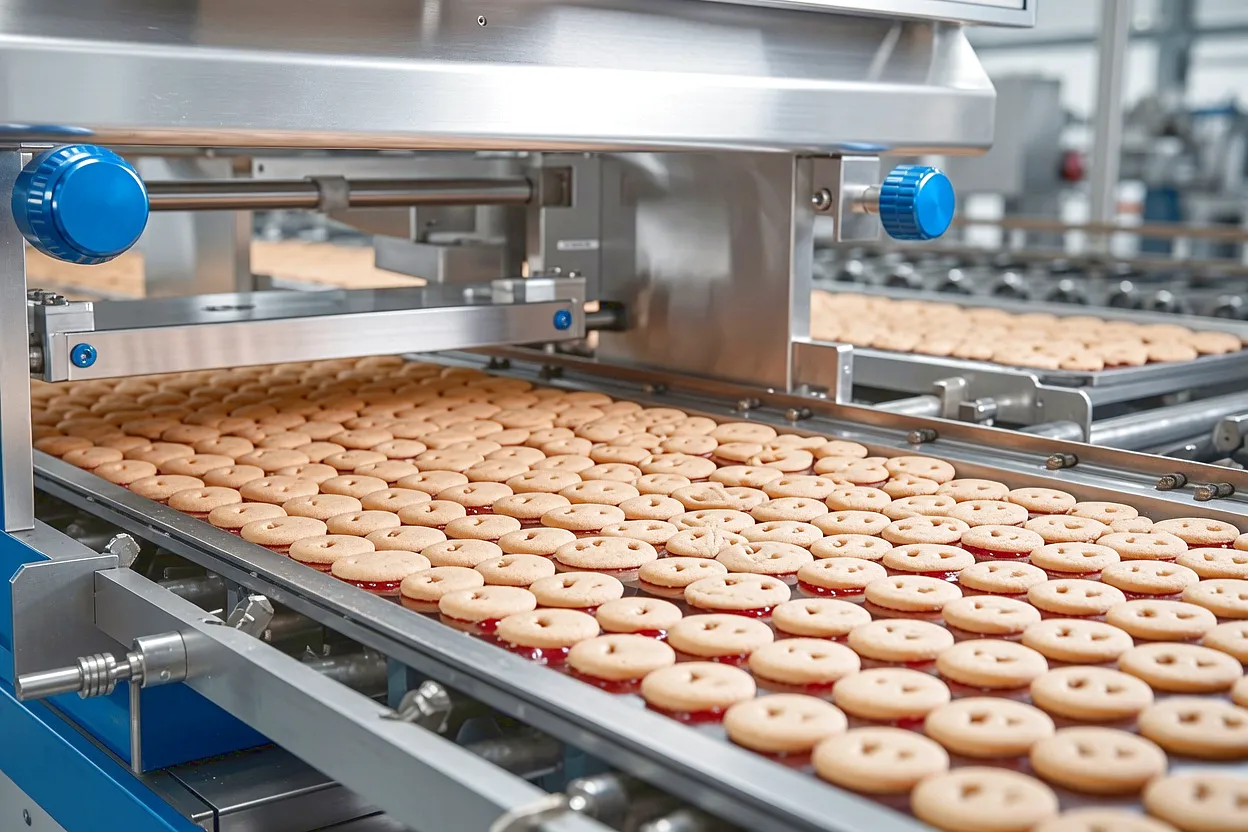
Bakery Production Lines
Industrial baking environments combine extreme thermal cycling, flour-laden atmospheres, and continuous heavy loads on oven conveyor chains and proofer drives. Leaf chain specified for bakery production lines must withstand temperatures exceeding 300°C in tunnel oven applications while maintaining precise pitch for consistent product throughput across 24-hour production schedules.
Leaf Chain for Bakery Production Lines: The High-Load Drive Solution That Keeps Commercial Ovens Running 24/7
Covers tensile load ratings, lacing configurations, and replacement protocols for leaf chain operating in energy-intensive commercial bakery environments with continuous multi-shift operation demands.
Leaf Chain for Bakery Production Lines: The Definitive Engineering Guide for High-Volume Food Manufacturing
A definitive reference for plant engineers selecting leaf chain grades for high-volume bakery drives, covering plate thickness, pin hardness, and surface treatment options for food-safe compliance.
Leaf Chain for Bakery Production Lines: Why High-Load Plate Chains Are Reshaping Industrial Baking Across the UK
Examines how British bakeries are upgrading legacy drive systems with modern leaf chain technology to meet rising output demands, reduce energy consumption, and extend service intervals.
Leaf Chain for Bakery Production Lines: The High-Load Drive Solution Modern Food Plants Rely On
Outlines selection criteria and load-capacity benchmarks for leaf chain in modern automated bakeries, addressing common OEM replacement specifications and cross-reference data for procurement teams.
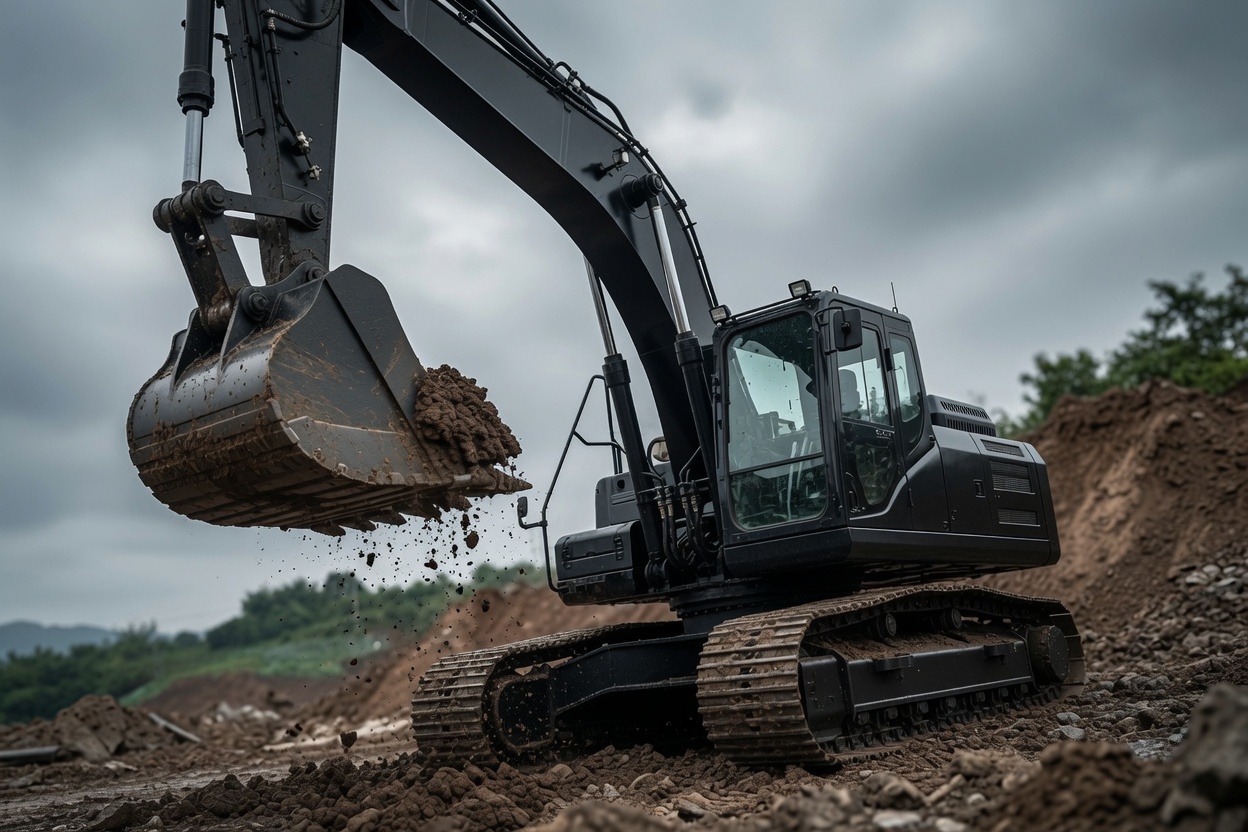
Excavators
Excavator crowd and lifting systems impose some of the most severe dynamic loads encountered in any leaf chain application. Shock loads, abrasive contamination, and multi-axis stress cycles demand chain engineered to BL series and AL series ISO standards, with Proof Load values exceeding 200 kN in heavy-duty configurations deployed across UK civil engineering and groundworks projects.
Leaf Chain for Excavator: The Complete Engineering Guide for Heavy-Duty Lifting & Crowd Systems in UK Construction
A complete technical guide for specifying and replacing leaf chain in hydraulic excavator crowd and lifting circuits, with UK-specific supplier data, inspection intervals, and ISO cross-reference tables.
Leaf Chain for Excavator: The Complete Engineering Guide to High-Load Lifting Performance
Details breaking load requirements, safety factors, and inspection criteria for leaf chain in excavator hydraulic lifting applications, aligned with EN and ISO standards for lifting equipment compliance.
Leaf Chain for Excavator: The Complete Engineering Guide to High-Load Hydraulic Lifting Systems
Analyses how leaf chain integrates within hydraulic cylinder and sheave arrangements in excavator boom systems, addressing anchor pin specification, reeving ratios, and fatigue cycle management.
Leaf Chain for Excavators: The High-Load Drive Solution That Keeps Heavy Machinery Running Without Failure
Focuses on preventive maintenance strategies, field replacement techniques, and approved lubricants for maximising leaf chain service life in earthmoving machinery operating in muddy, abrasive site conditions.
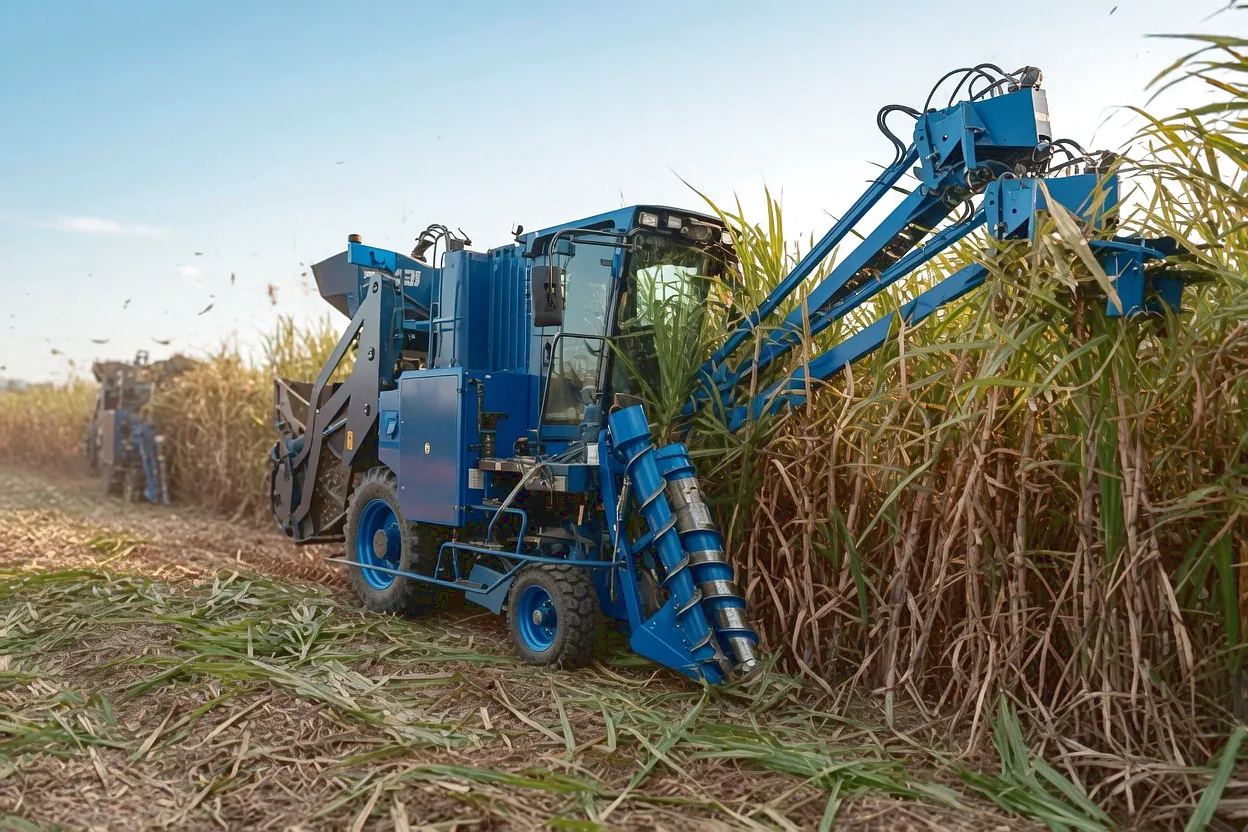
Sugarcane Harvesters
Sugarcane harvester drive systems operate in one of agriculture’s most aggressive environments — wet, abrasive, and relentlessly cyclic. Leaf chain in sugarcane machinery must resist plant sap corrosion, high soil contamination, and the severe shock loads generated by chopper drum and elevator conveyor drives during continuous field operations.
Leaf Chain for Sugarcane Harvesters: The Heavy-Duty Drive Solution That Powers the Field
Technical breakdown of leaf chain selection criteria for chopper drum drives, extractor fans, and elevator conveyors in modern self-propelled sugarcane harvesters across tropical and subtropical regions.
Leaf Chain for Sugarcane Harvesters: The Ultimate Drive Solution for High-Load Agricultural Machinery
Provides load data, lacing recommendations, and tensile specifications for OEM and aftermarket leaf chain fitting in high-output sugarcane harvester drive and conveying systems.
Leaf Chain for Sugarcane Harvesters: The Industrial Backbone of Modern Harvesting Machinery
Explores the role of high-lacing-count leaf chain as the primary structural load member in sugarcane harvester lifting and conveying assemblies, with engineering data from field deployments.
Leaf Chain for Sugarcane Harvesters: The Definitive Engineering Guide
A comprehensive leaf chain specification guide for agricultural equipment engineers, covering ISO series selection, pin diameter tolerances, and corrosion protection for sugarcane harvesting machinery.
Cotton Picker Machines
Cotton picker drive systems encounter fine fibre contamination, high-speed spindle rotation, and sustained tension loads throughout the harvest season. Leaf chain used in picker drum elevation, basket conveying, and module builder drives must maintain consistent pitch accuracy under cotton dust ingress and variable field terrain conditions.
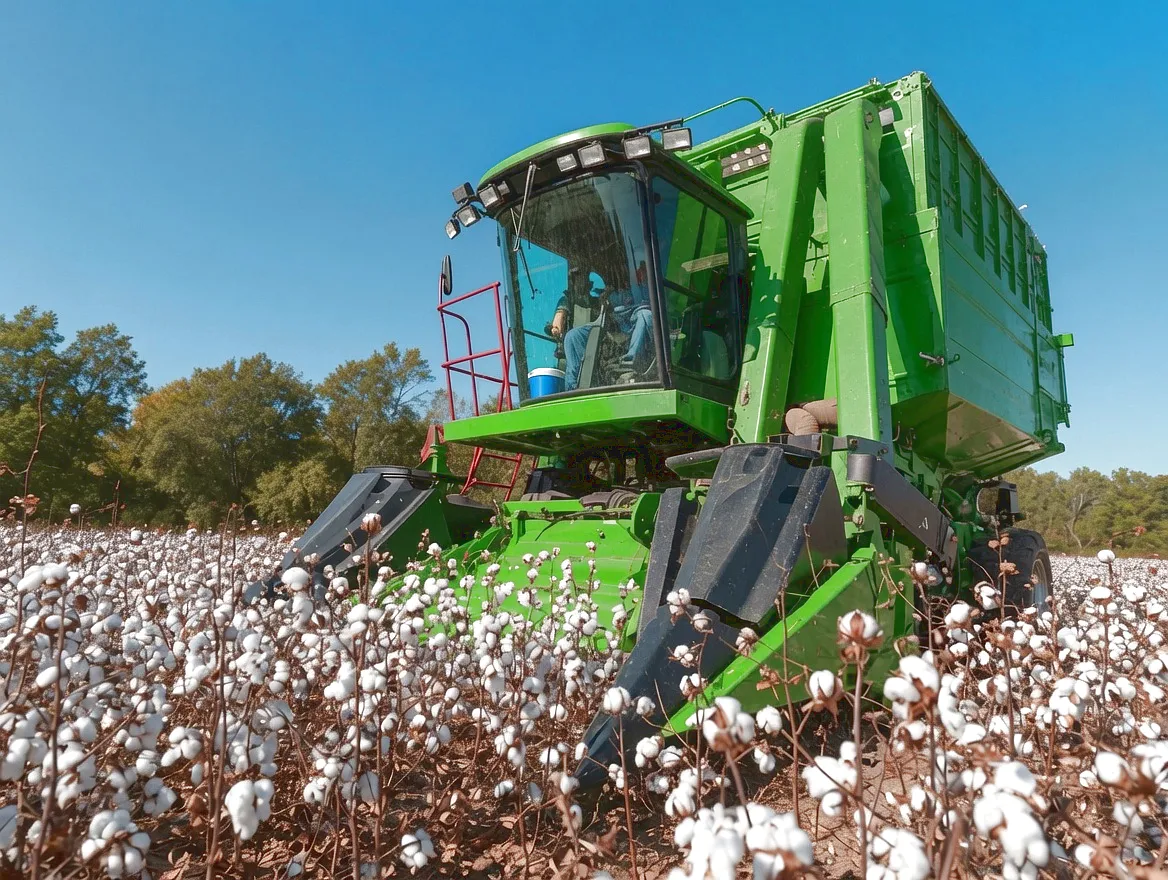
Leaf Chain for Cotton Picker: The Heavy-Duty Drive Solution Every Harvesting Season Demands
Outlines pre-season inspection routines, approved lubricants, and emergency replacement protocols for leaf chain in cotton picker machinery to prevent costly downtime during peak harvest windows.
Leaf Chain for Cotton Picker Machines: The Ultimate Engineering Guide for Harvesting Reliability
Provides pitch elongation benchmarks, breaking load standards, and OEM cross-reference data for leaf chain in cotton picker harvesting systems, supporting reliable procurement for global agricultural operators.
Leaf Chain for Cotton Picker Machines: The Engineering Choice That Keeps Harvests Running
Analyses the engineering trade-offs between AL and BL series leaf chain in cotton picker applications, including weight-to-strength ratios, wear resistance, and cost-per-hour performance in field deployments.
Leaf Chain for Cotton Picker Machines: The Backbone of Reliable Harvesting Performance
Positions precision-engineered leaf chain as the structural foundation of reliable cotton harvesting performance, with tensile strength data supporting OEM and aftermarket specification decisions.
Corn Harvesters
Corn harvester header drives, elevator chains, and grain tank conveyors impose substantial cyclic loads on leaf chain throughout the UK cereal harvest season. The combination of heavy crop throughput, abrasive kernel and stalk debris, and variable ground speed demands chain with high fatigue resistance and consistent pitch for accurate power transmission.

Leaf Chain for Corn Harvester Machines: The High-Strength Drive Solution That Keeps Harvests Running
Covers the high-strength leaf chain grades optimised for corn harvester feeder house, crop elevator, and clean grain conveyor drives, including pitch elongation monitoring data for planned replacements.
Leaf Chain for Corn Harvester: The Engineer’s Complete Guide to High-Performance Drive Systems
An engineer’s guide to designing and maintaining leaf chain drive systems in corn harvesters, covering sprocket alignment, tension adjustment procedures, and fatigue life calculation methods.
Leaf Chain for Corn Harvester: The Critical Drive Component Modern Agriculture Depends On
Positions leaf chain as a critical component in modern corn harvesting operations, with data-driven analysis of how chain specification choices directly affect harvest throughput, efficiency, and total cost of ownership.
Leaf Chain for Corn Harvesters: The Definitive Guide to High-Load Drive Solutions in Modern Agricultural Machinery
A definitive guide covering every high-load drive application in modern corn harvesting machinery, with leaf chain selection matrices, ISO series comparison tables, and maintenance planning recommendations.
Combine Harvesters
Combine harvester drive systems are among the most complex in agricultural machinery, with leaf chain serving in header elevation, feeder house drives, separator conveyors, and grain tank unloading systems simultaneously. High crop throughput, variable moisture content, and extended daily operating hours demand chain with exceptional fatigue resistance and consistent dimensional accuracy throughout the UK cereal season.
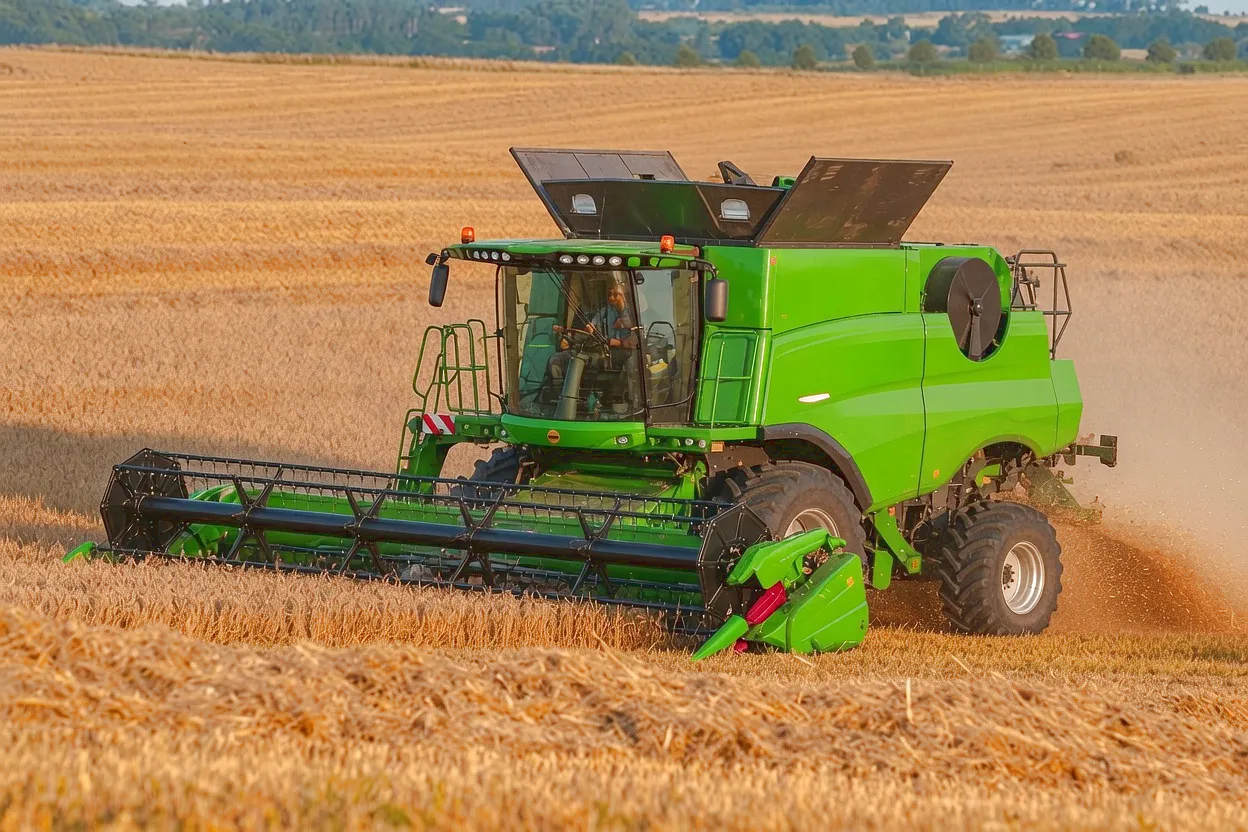
Leaf Chain for Combine Harvesters: The Definitive Guide for UK Agricultural Equipment Manufacturers and Maintenance Engineers
A UK-specific resource for agricultural OEMs and service engineers specifying leaf chain in combine harvesters, including British supplier contacts, BS/ISO compliance data, and seasonal maintenance scheduling.
Leaf Chain for Combine Harvesters: The Ultimate Power Transmission Solution for Demanding Harvesting Operations
Examines power transmission efficiency, drive chain tension management, and lubrication schedules for leaf chain operating across multiple combine harvester drive applications in high-yield cereal farming.
Leaf Chain for Combine Harvesters: The Backbone of High-Yield Harvest Machinery
Positions precisely manufactured leaf chain as the structural backbone enabling maximum throughput in high-yield combine harvesters, supported by fatigue test data and real-world wear measurement results.
Ring Spinning Frames
Ring spinning frame drive systems require leaf chain that delivers absolute pitch precision and minimal stretch under sustained high-speed tension loads. Textile machinery environments impose lint contamination, high rotational speeds, and the need for near-silent operation across spindle drives, drafting system conveyors, and ring rail lift mechanisms operating across multi-shift textile mill production schedules.

Leaf Chain for Ring Spinning Frame: The Engineering Behind Continuous High-Speed Textile Production
Examines how precision leaf chain maintains spindle speed consistency and ring rail lift accuracy across continuous textile mill production, addressing stretch rates, noise levels, and lubrication requirements.
Leaf Chain for Ring Spinning Frames: Precision-Engineered Drive Solutions for Modern Textile Mills
Highlights the precision engineering tolerances — plate parallelism, pin diameter consistency, and inner plate clearance — that differentiate high-performance leaf chain for textile mill ring frame applications.
Leaf Chain for Ring Spinning Frames: The High-Load Drive Solution Textile Mills Can’t Afford to Ignore
Quantifies the operational and financial impact of leaf chain specification decisions in ring spinning textile mills, with cost-of-downtime analysis and service life comparison data across leading chain grades.
Leaf Chain for Ring Spinning Frame: The Drive That Keeps Every Spindle Running
Focuses on the role of leaf chain in sustaining uniform spindle speed across multi-hundred-spindle ring frames, with practical guidance on tension setting, wear monitoring, and planned preventive replacement.
Construction Elevators / Site Hoists
Construction site elevators and mast climbing platforms impose severe safety-critical demands on leaf chain in hoist drive systems. UK lifting equipment regulations require chain to BL series ISO 4347 standards with documented Proof Load testing, MBL certification, and scheduled inspection intervals, making chain selection and traceability a compliance requirement as much as an engineering one.

Leaf Chain for Construction Site Elevators: The Engineering Choice Behind Reliable Vertical Transport on UK Building Projects
Analyses how BL series leaf chain meets UK LOLER and PUWER regulatory requirements for vertical transport on construction sites, with guidance on Proof Load certification and inspection interval compliance.
Leaf Chain for Construction Site Hoists: The Complete Engineering Guide for Builder’s Lifts & Mast Climbing Platforms
Engineering parameters, safety factor requirements, and replacement criteria for leaf chain in mast climbing work platforms and builder’s material hoists across multi-storey UK construction projects.
Leaf Chain for Construction Elevator: The Complete Engineering Guide to Builder’s Hoist Applications in the UK
Covers the full engineering lifecycle of leaf chain in UK builder’s hoist systems, from initial specification and installation through to periodic inspection, wear assessment, and compliant end-of-service replacement.
Leaf Chain for Construction Elevator: The Ultimate Guide to High-Performance Builder’s Hoist Chain Systems
Reviews high-performance leaf chain grades for construction hoist applications, with MBL data, anchor pin specifications, and reeving arrangement guidance for safe, efficient vertical material handling on UK sites.
Telescopic Handlers / Telehandlers
Telehandler boom lift and crowd systems rely on leaf chain that maintains consistent load capacity across the full extension range of the telescopic boom. Demanding UK construction and agricultural applications require chain to BL series standards with traceable MBL documentation, precise pitch control, and resistance to contamination from building site or farmyard environments.

Leaf Chain for Telehandlers: The Engineering Truth Behind Every Safe Lift
Explores the engineering reality behind safe telehandler lifts, detailing how leaf chain selection, anchor pin design, and sheave geometry determine load path integrity and safety factor compliance across the full boom extension range.
Leaf Chain for Telehandlers: The Critical Drive Component Keeping UK Construction Moving
Documents the critical role of leaf chain in maintaining telehandler productivity on UK construction sites, with data on replacement frequency, cost of failure, and the productivity benefits of predictive maintenance programmes.
Leaf Chain for Telehandler: The Hidden Component That Keeps Your Machine Safe at Height
Reveals how leaf chain performance at full telehandler boom extension determines operational safety margins, with practical inspection criteria and warning signs that indicate chain replacement is required before failure risk increases.
Leaf Chain for Telehandler: The High-Load Lifting Solution Built for British Construction
A British construction-focused review of high-load leaf chain grades for telehandler boom systems, with performance data from UK field deployments and guidance on matching chain specification to SWL and duty cycle requirements.
Forklift Trucks
Forklift mast systems represent the single highest-volume application for leaf chain in global materials handling. Every lift cycle imposes direct tensile load on BL or AL series leaf chain through the mast sheave and carriage assembly. In UK warehouse and distribution environments, multi-shift operation means chains accumulate millions of lift cycles, making accurate pitch measurement, correct lubrication, and timely replacement the foundations of both operational efficiency and site safety compliance.

Leaf Chain for Forklift Trucks: The Complete Engineering Guide to Mast Lifting Systems
A complete engineering guide to forklift mast leaf chain, covering simplex, duplex, and triplex mast configurations, BL and AL series selection criteria, anchor clevis specification, and chain replacement decision frameworks for fleet managers.
Engineering Guide to Leaf Chains in Forklift Trucks: Mast Lifting Systems Explained
An expanded edition of the definitive mast lifting systems guide, incorporating updated ISO 4347 compliance data, modern lubrication specifications, and guidance on matching leaf chain to specific forklift OEM mast designs across the UK market.
Leaf Chain for Forklift Trucks: The Complete Engineering Guide for Heavy-Duty Lifting Applications
Specialist guidance for heavy-duty forklift applications in UK manufacturing, steel handling, and container logistics, covering high-capacity leaf chain grades, extended pitch series, and the safety factor requirements for high-load mast configurations.
Leaf Chain Application: Expert Answers
BL series leaf chain uses a higher lacing count with more link plates per pitch, delivering greater tensile strength and fatigue resistance for heavy-duty lifting applications such as forklifts, excavators, and construction hoists. AL series chain uses fewer link plates and is optimised for lighter-load applications where weight reduction is a consideration. Both series are manufactured to ISO 4347 and are available with traceable MBL certification for LOLER-regulated applications across the UK.
UK LOLER regulations and FEM/ISO guidance recommend replacing forklift leaf chain when pitch elongation reaches 3% above nominal pitch, when visible corrosion, cracking, or plate deformation is present, or at manufacturer-specified lift cycle intervals. In multi-shift warehouse operations, annual inspection by a competent engineer is the minimum standard, with replacement decisions documented as part of the LOLER examination record.
For bakery and beverage production lines subject to regular CIP washdown, stainless steel leaf chain or nickel-plated chain offers superior corrosion resistance compared to standard carbon steel grades. Where direct food contact is a risk, food-grade lubricants approved to H1 NSF standards should be used in conjunction with stainless chain. Zinc-nickel plated chain provides an intermediate solution for indirect food zone applications at lower cost than full stainless construction.
Leaf chain is widely used in combine harvesters, sugarcane harvesters, cotton pickers, and corn harvesters across global agricultural markets. For outdoor agricultural deployments, zinc-plated or hot-dip galvanised chain variants provide enhanced corrosion resistance against moisture, plant sap, and soil contamination. Pre-season lubrication with a penetrating chain oil and post-season decontamination cleaning are standard maintenance practices for maximising leaf chain service life in agricultural machinery.
The key identification parameters are pitch (measured over an unstretched 12-link span), lacing designation (e.g. BL534, BL623, BL844), inner link width, and plate thickness. These dimensions will be marked on the original equipment manufacturer’s documentation or stamped on the chain’s connection link. Cross-referencing these parameters against ISO 4347 tables allows direct identification of the correct replacement grade. If documentation is unavailable, physical measurement of a worn chain sample can confirm the pitch and lacing configuration.
Leaf Chain Application Scenarios · leaf-chain.com · ISO 4347 Certified · UK & Global B2B Supply · edit by gzl