
Why Leaf Chain Is the Industry Standard for Construction Elevators
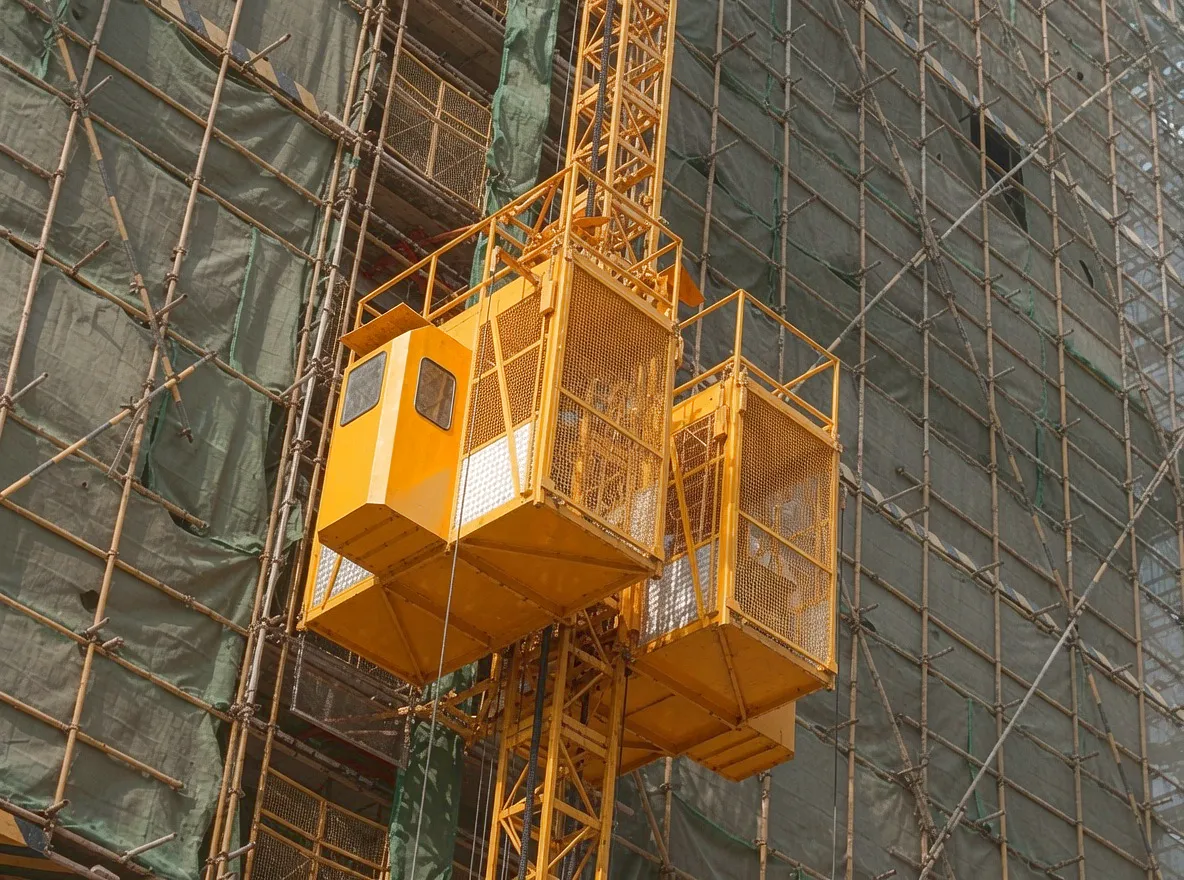
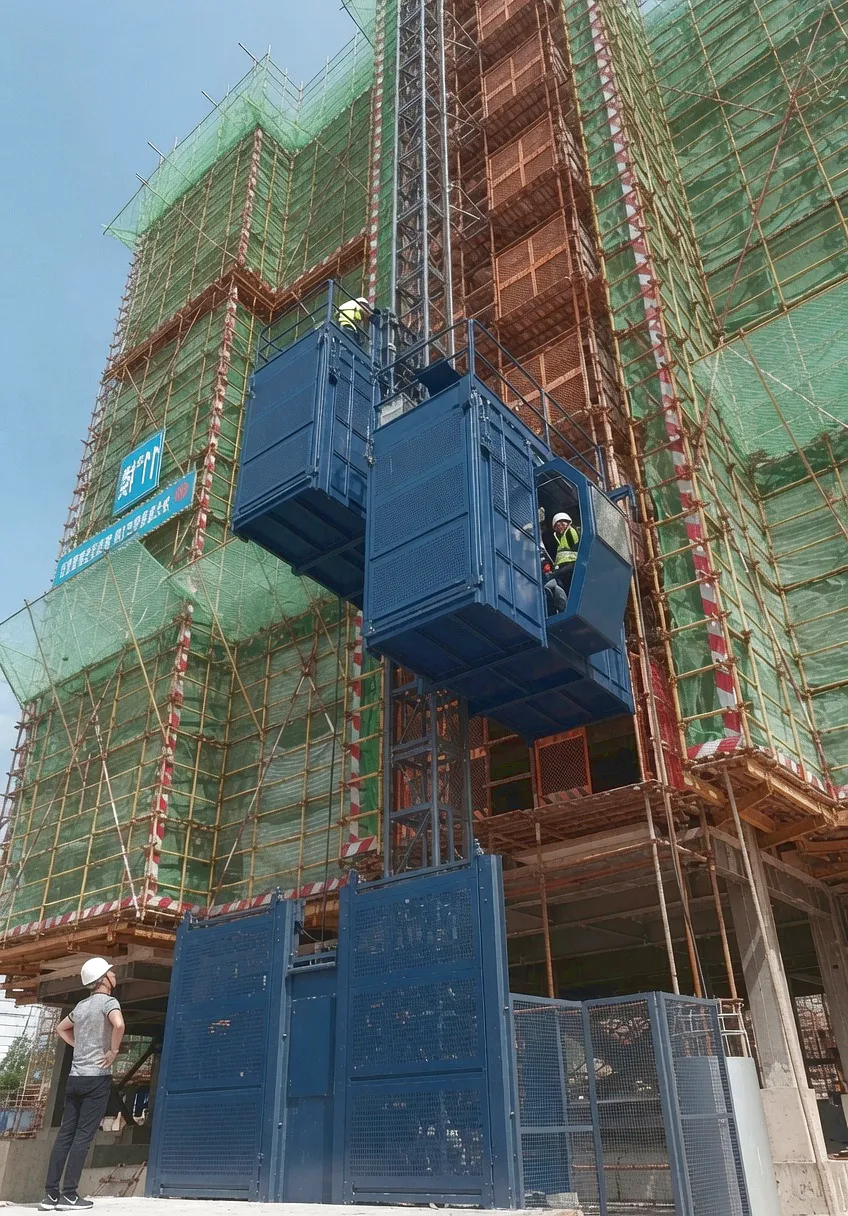
Walk onto any active construction site in Manchester, Birmingham, or London’s Canary Wharf and you’ll spot them immediately: the skeletal steel towers of builders’ hoists rising beside half-finished concrete frames. These machines carry loads of 500 kg to over 3,000 kg vertically, repeatedly, in all weather, sometimes around the clock on major projects. The chain at the heart of each rack-and-pinion or counterweight hoist system is doing arguably the most safety-critical mechanical job on the entire site.
 Leaf chain — the flat-plate, pin-jointed chain classified under ISO 4347 and American standard ASME B29.8 — has dominated this application for decades. Its geometry is beautifully suited to the job: wide lacing plates distribute tensile loads over a larger cross-section than roller chain could offer, fatigue cracks are easier to detect visually, and the chain operates with minimal lubrication requirements compared to more complex alternatives. For UK contractors working under stringent LOLER (Lifting Operations and Lifting Equipment Regulations 1998) requirements, these characteristics translate directly into audit-ready safety records and longer inspection intervals.
Ever Power has supplied leaf chain into British construction equipment fleets for years, and the questions we hear from buyers are remarkably consistent: which grade do I need, how do I read the wear tolerance, and can you match my existing hoist’s specifications? This article answers all of those questions, and more.
What Exactly Is a Leaf Chain — and How Does It Differ From Roller Chain?
The term “leaf chain” sometimes causes confusion among buyers who are more familiar with roller chain. The two are genuinely different products, designed for different kinematic roles. Roller chain (to ISO 606) transmits power through engagement with sprocket teeth; it rotates, wraps, and drives. Leaf chain, by contrast, is a pure tension element — it flexes only at the pin joints, carries load along its length, and never wraps around a driven sprocket during normal operation. It passes over sheave wheels or through forked connectors, balancing loads between mast and counterweight or between the mast and the lifting carriage.
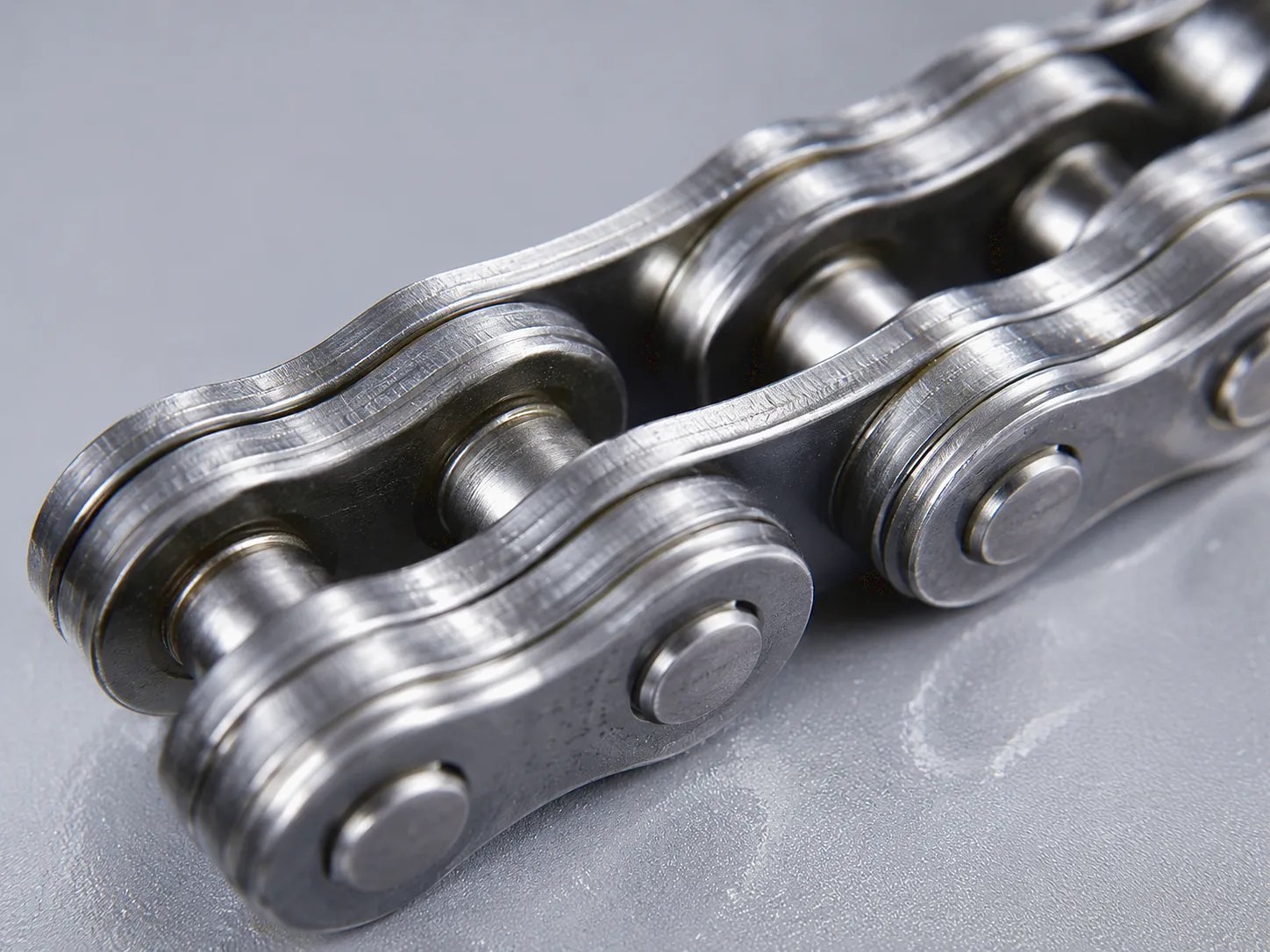
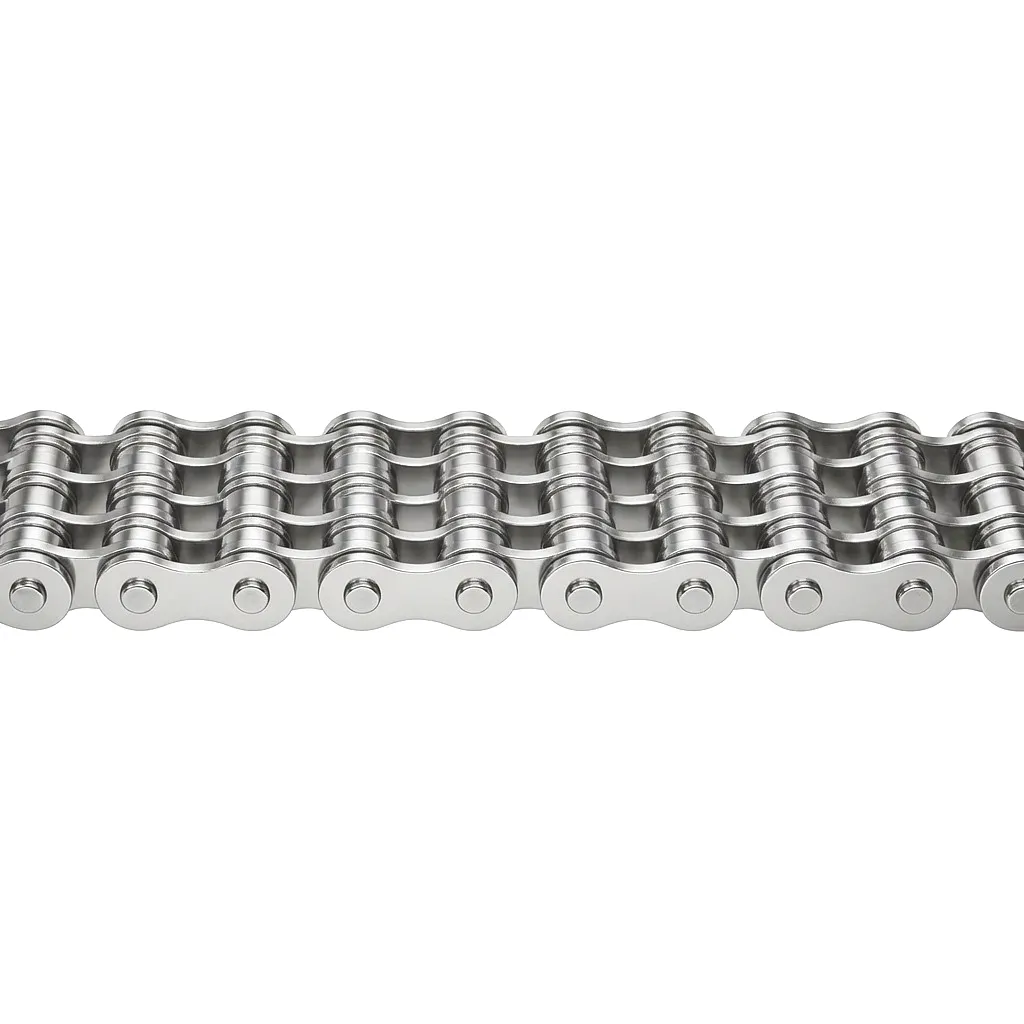
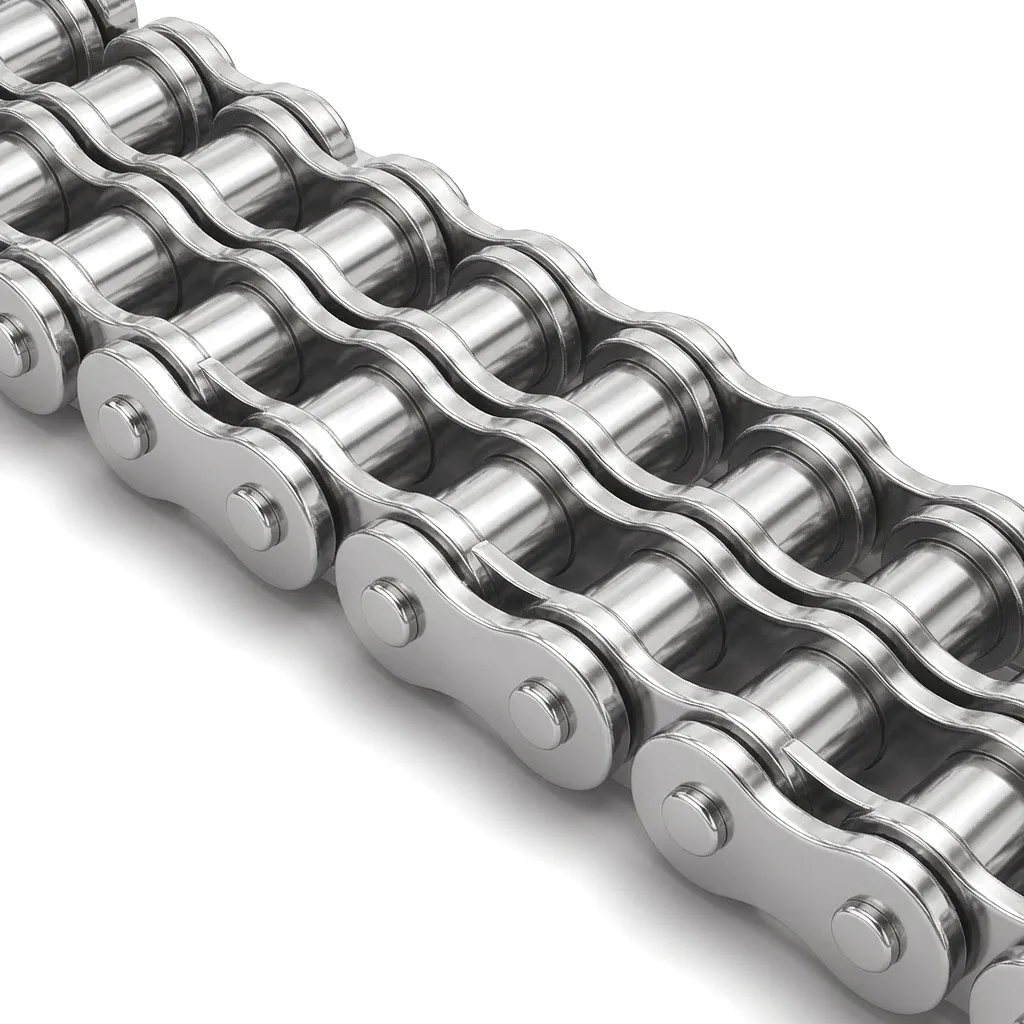
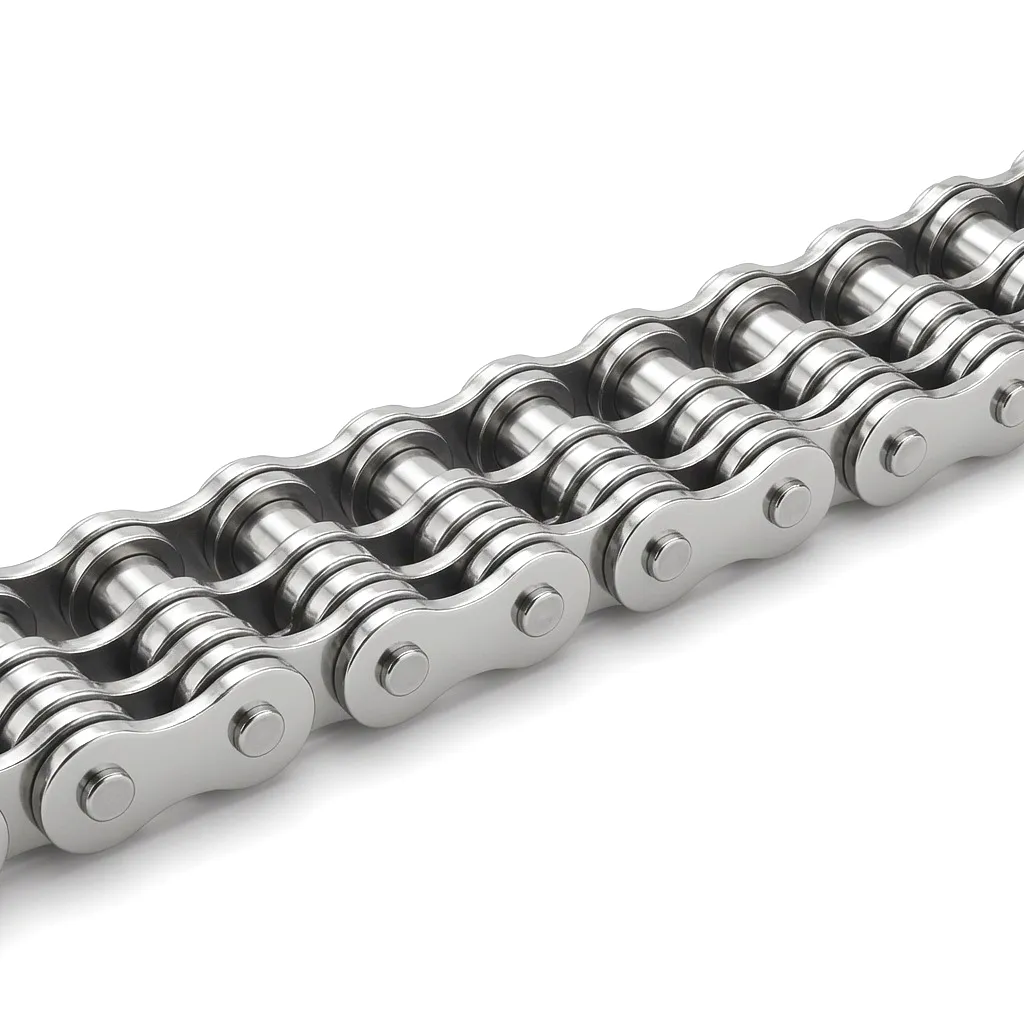
Structurally, a leaf chain consists of alternating sets of inner link plates and outer link plates, assembled on hardened alloy-steel pins and secured by swaged or riveted heads. There are no rollers, no bushings — just plates and pins. That simplicity is a strength. Every component that could retain debris or trap corrosive moisture is absent. The chain can be washed down aggressively, and a trained eye can assess its condition without disassembly. In a construction environment where a busy site manager may conduct LOLER pre-use checks in under three minutes per machine, that visual clarity is operationally valuable.
The lacing configurations you’ll encounter in hoist catalogues — AL422, AL644, AL822, AL1044, and so on — describe the arrangement of link plates (number of inner plates × 2, number of outer plates). Higher lacing numbers indicate more plates per pitch, more cross-sectional steel, and proportionally higher tensile strength. Selecting the right lacing for a given hoist duty rating is part science, part accumulated engineering experience.

Materials, Manufacturing Standards & Technical Performance
All data below reflects Ever Power standard production grades for construction-sector leaf chain
The material story of a quality leaf chain starts at the steel mill. Ever Power sources link plates from alloy steel with a minimum carbon content of 0.40% and controlled manganese and chromium additions. After blanking and punching, plates undergo induction hardening or through-hardening to achieve surface hardness in the range of 40–48 HRC, balancing wear resistance at the pin bore against the ductility needed to resist brittle fracture in cold British winters. Pins are manufactured from case-hardening steel, carburised to a case depth of 0.3–0.8 mm and hardened to 58–64 HRC on the surface.
Assembly is carried out on calibrated fixtures that hold pitch tolerances within ± 0.08% of nominal across a 30-link span — the ISO 4347 requirement that ensures correct engagement with sheave wheels and overload devices. Each completed chain undergoes proof-load testing at a minimum of 1.5 × the catalogue breaking load, with permanent elongation measured and recorded. Chains destined for LOLER-regulated equipment include a batch test certificate traceable to EN 10204 3.1 material standards.
| Chain Series | Pitch (mm) | Tensile Strength (kN) | Max Allowable Load (kN) | Wear Limit (%) | Cadarço |
|---|---|---|---|---|---|
| AL422 × 1 | 12.70 | 25.6 | 6.4 | 2.0 | 4×2 |
| AL644 × 1 | 15.875 | 58.0 | 14.5 | 2.0 | 6×4 |
| AL822 × 1 | 25.40 | 89.0 | 22.2 | 2.0 | 8×2 |
| AL1044 × 1 | 31.75 | 178.0 | 44.5 | 2.0 | 10×4 |
| AL1244 × 1 | 38.10 | 222.0 | 55.5 | 2.0 | 12×4 |
| AL1266 × 1 | 38.10 | 334.0 | 83.5 | 2.0 | 12×6 |
* Max allowable load = tensile strength ÷ 4.0 safety factor. Construction elevator applications typically require a minimum safety factor of 4:1 under LOLER guidance. Custom grades available on request.
How Leaf Chain Is Used Inside a Construction Elevator or Builder’s Hoist
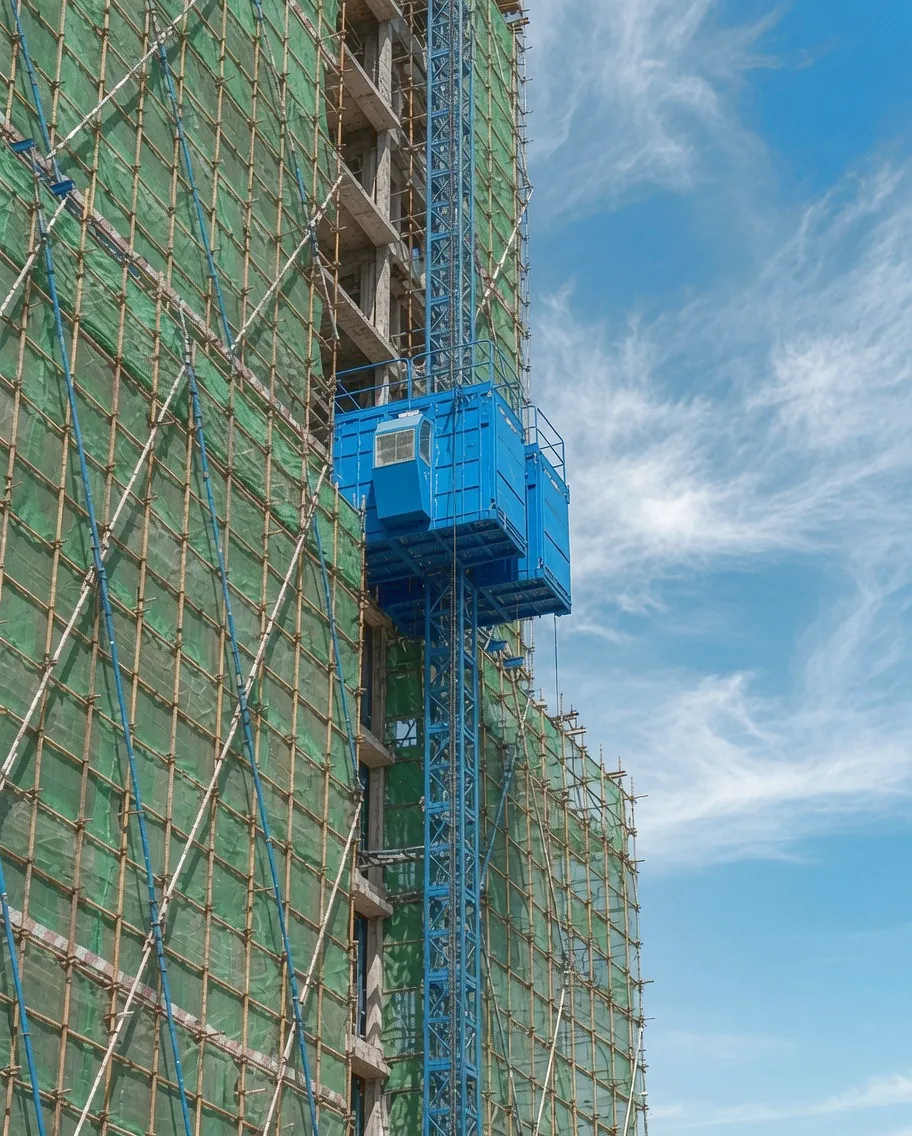
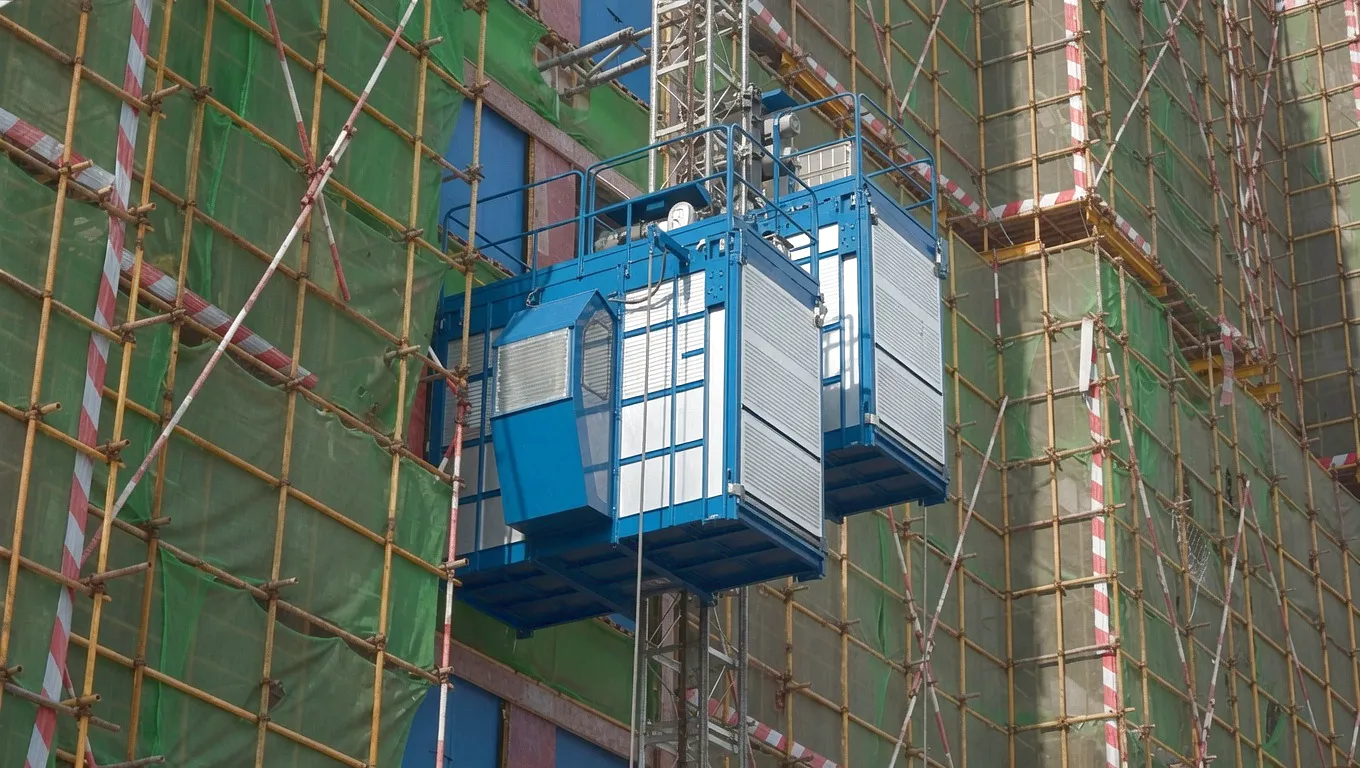
Modern construction site elevators — the type attached to the external face of a building under construction and used to lift workers and materials — generally fall into two mechanical families: rack-and-pinion drives and wire-rope/chain counterweight hoists. Leaf chain is central to both categories, though its role differs.
In rack-and-pinion hoists, leaf chain is most commonly used in the safety governor mechanism and in the anti-fall device (also called the safety device or centrifugal governor brake). When the hoist cage accelerates beyond a set threshold — typically 0.15 m/s above rated speed — the anti-fall device triggers, and leaf chain connected to the brake assembly transmits the arrest load into the mast structure. The chain here must absorb dynamic shock loads that can briefly reach 5–8 × the static rated load.
In counterweight-balanced hoists, leaf chain forms the primary load-path element. Chains typically run in parallel pairs over upper sheave assemblies, connecting the lifting cage to the counterweight. The design ensures that if one chain strand develops a visible defect, the system can continue operating under reduced capacity while replacement is arranged — a redundancy philosophy that aligns with the LOLER requirement for regular thorough examination by a competent person.
Counterweight Path
LOLER Compliant
Shock-Load Resistant
Dual-Strand Redundancy
High-Rise Residential Towers
Continuous daily use, 12–16 hour shifts on 20+ storey projects. Hoist chains in this context typically log 200,000–400,000 lift cycles per year. Fatigue performance is paramount. Ever Power AL-series chains in heavy lacing configurations are designed for this intensity.
Infrastructure & Bridge Projects
Marine and riverside environments bring chloride-laden air and variable humidity. Leaf chain for these settings benefits from zinc-nickel plating or stainless steel pin upgrades to extend corrosion resistance without compromising mechanical properties under the UK’s LOLER inspection regime.
Industrial Plant Shutdowns
Refinery and chemical plant turnarounds deploy temporary hoists around vessels and structures. Chains here face concentrated use over 4–12 weeks, often in H2S or solvent vapour environments. Specialised surface treatments and elevated safety factor selection make leaf chain the reliable choice.
Eight Reasons Engineers Specify Leaf Chain for Builder’s Hoists
Exceptional Fatigue Life
Link plates are shot-peened after heat treatment to introduce compressive residual stresses at the pin bore — the highest-stress location. This process demonstrably extends fatigue life by 30–50% compared to non-peened equivalents, reducing the frequency of planned replacement and the cost of LOLER-mandated chain examinations.
Visual Wear Indication
A trained inspector can assess leaf chain condition with a simple go/no-go gauge measuring pitch elongation. ISO 4347 mandates withdrawal from service at 2.0% elongation (measured over a 30-link span). This simplicity means a site supervisor — not necessarily a specialist engineer — can conduct valid pre-use checks under LOLER without sophisticated tooling.
High Safety Factor Ratings
Ever Power construction-grade leaf chain is rated at minimum 4:1 and optionally supplied at 5:1 or 6:1 safety factors for passenger-carrying hoists. This aligns with the HSE ACOP L113 guidance on lifting equipment used for personnel, and satisfies the requirements of EN 1808 (safety requirements for suspended access equipment) where applicable to the hoist design.
All-Weather Corrosion Resistance
Construction sites in the UK endure relentless rain, freeze-thaw cycles, and salt-laden coastal winds. Standard leaf chain receives zinc phosphate pre-treatment plus a mineral oil coating. Upgrade options include hot-dip zinc plating, electroless nickel, or 316L stainless steel pins for the most demanding marine or coastal construction environments.
Interchangeable with Global OEM Specs
Whether your hoist fleet runs Alimak, Maber, Geda, or Pega equipment, Ever Power leaf chains are manufactured to ISO 4347 dimensional standards and can be cross-referenced to OEM part numbers. This means procurement teams can consolidate supply from a single source without compromising warranty or safety compliance, and can hold standardised stock across mixed-brand fleets.
Full Traceability Documentation
Every batch of construction-sector leaf chain ships with EN 10204 3.1 material certificates, proof-load test records, and dimensional inspection reports. This documentation package is formatted to satisfy LOLER record-keeping requirements and is readily accepted by insurer-appointed competent persons conducting thorough examinations under the UK statutory framework.
Low Maintenance Requirements
Leaf chain on a construction elevator requires lubrication at intervals specified by the hoist OEM — typically every 50–100 operating hours. The open plate-and-pin construction means a hand-applied brush or drip oiler can reach all wear surfaces. No disassembly or specialist tooling is required. This keeps maintenance costs modest even on sites where skilled mechanical labour is limited.
Competitive Whole-Life Cost
Unscheduled hoist downtime on a busy UK construction project costs far more than the replacement chain. Ever Power’s pricing model for repeat-buy customers — including framework agreements for plant hire companies running multiple hoist fleets — delivers supply certainty and volume pricing that makes switching from OEM-branded chain economically straightforward.
Other Lifting & Vertical Transport Applications Across UK Industry
The leaf chain’s balance of tensile strength, compactness, and visual inspectability makes it the go-to choice across a range of vertical transport and balancing systems beyond the construction site. UK plant operators across logistics, automotive, and maritime sectors consistently select leaf chain where rope or hydraulics would create more complexity or inspection difficulty.
Forklift Mast Chains
The most established leaf chain application — counterbalancing the carriage weight in counterbalanced and reach trucks across UK warehousing and manufacturing distribution centres.
Vehicle Parking Lifts
Compact multi-storey automated parking systems in urban areas use leaf chain in four-post hydraulic platforms and scissor-lift arrangements. High cycle count applications with steady vertical loads suit the chain’s long fatigue life characteristics.
Ship & Dock Maintenance Hoists
Marine repair yards in Southampton, Tilbury, and Glasgow use suspended access platforms and gantry hoists where leaf chain handles loads from hull-cleaning cradles and scaffolding systems under salt-spray conditions demanding specialist corrosion protection.
Machining Centre & Press Counterweights
Precision machine tools use leaf chain to counterbalance spindle heads and ram assemblies, eliminating the positional error that hydraulic counterbalance valves can introduce. Common in automotive and aerospace precision engineering facilities throughout the Midlands.

Customer Success: How UK Clients Achieved Results with Ever Power Leaf Chain
🇬🇧 United Kingdom · Construction
Bridgewater Hoist & Access Ltd — Major Manchester Residential Development
Bridgewater Hoist & Access Ltd, a specialist plant hire company based in Salford, Greater Manchester, was contracted to supply and operate six twin-cage passenger/goods hoists for a 26-storey residential tower project in Manchester city centre. The project duration was 22 months, running from initial groundworks through to handover. Each hoist cage carried a rated load of 1,600 kg, with a declared maximum working load of 2,000 kg for materials movements on weekends when personnel were off-site.
Bridgewater’s maintenance manager, a 14-year veteran of the site-lift industry, contacted Ever Power after the OEM-supplied chain on two of the hoists reached its 2.0% elongation limit at only 14 months into the project — approximately 340,000 cycles. The team needed a replacement batch that could reliably complete the remaining 8 months (estimated 160,000 additional cycles) without a further replacement, plus provide appropriate documentation for LOLER thorough examination records.
Ever Power supplied AL1044 leaf chain in 5-metre reels with pre-fitted end connectors matched to the hoist’s existing anchor brackets. Material certificates, proof load documentation, and a technical datasheet referencing ISO 4347 and EN 10204 3.1 were included in the shipment, which arrived at the Salford depot within 6 working days of the order. The chains completed the remaining project duration without reaching the wear limit, with a final elongation measurement of 1.6% at project close-out — providing an additional safety margin and validating the original specification upgrade.
What Our Clients Say
“We run a fleet of twelve hoists across the West Midlands for tier-one contractors. Ever Power have become our default leaf chain supplier — consistent quality, proper paperwork, and they actually understand LOLER. That’s rarer than you’d think.”
“We specified custom-length leaf chain with modified end fittings for a bespoke industrial platform we were building for a Scottish distillery renovation. Ever Power came back with a technical proposal within 48 hours and delivered in under two weeks. The custom service capability is genuinely impressive.”
“After our existing supplier couldn’t provide EN 10204 3.1 certs on short notice, we switched to Ever Power for our dock maintenance hoist replacement in Tilbury. The price was competitive, the certs arrived with the chain, and the quality inspection on arrival showed zero issues. We’ve since placed three more orders.”
Ever Power Manufacturing: Custom Leaf Chain Solutions for UK & Global Clients
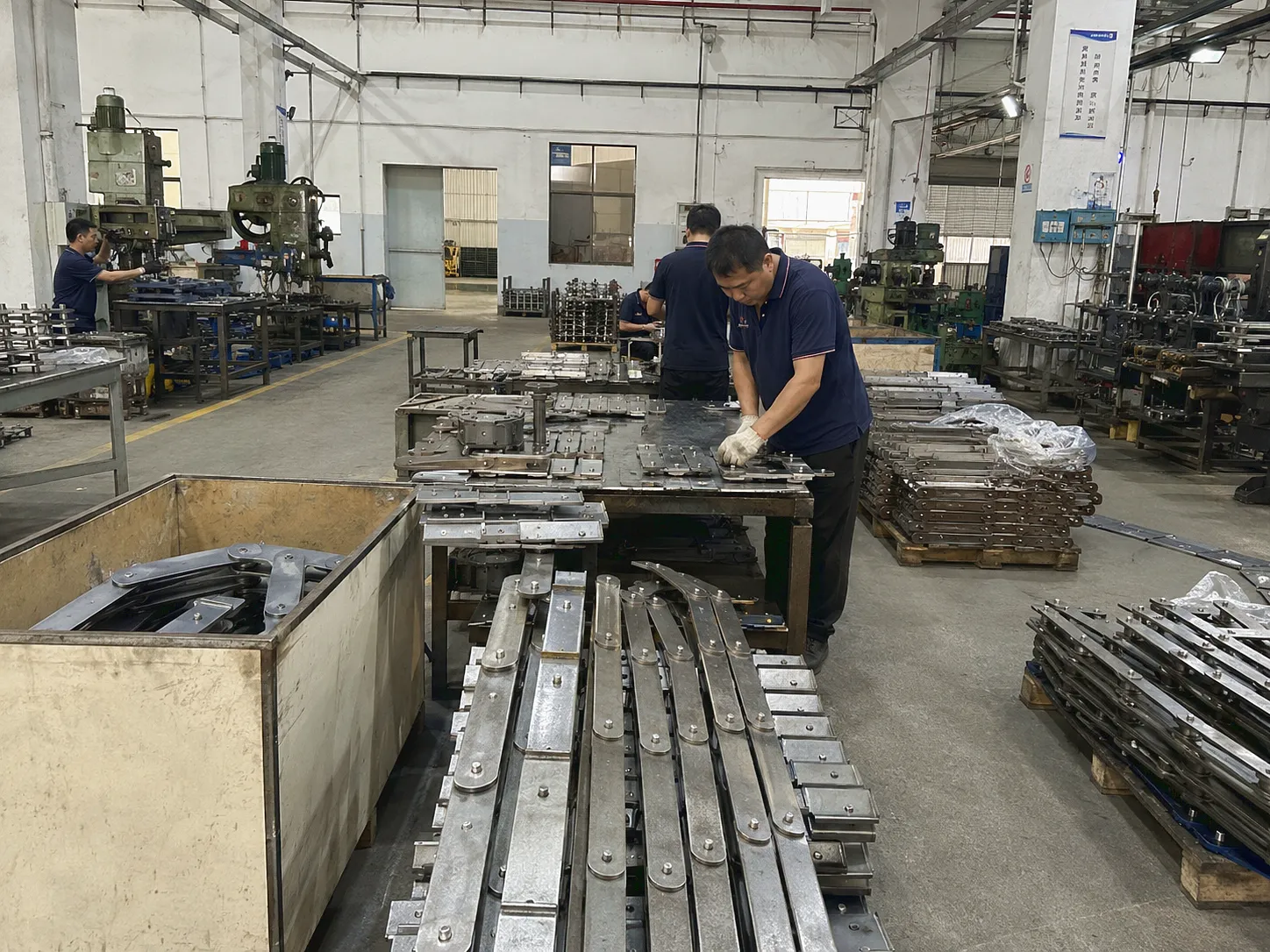
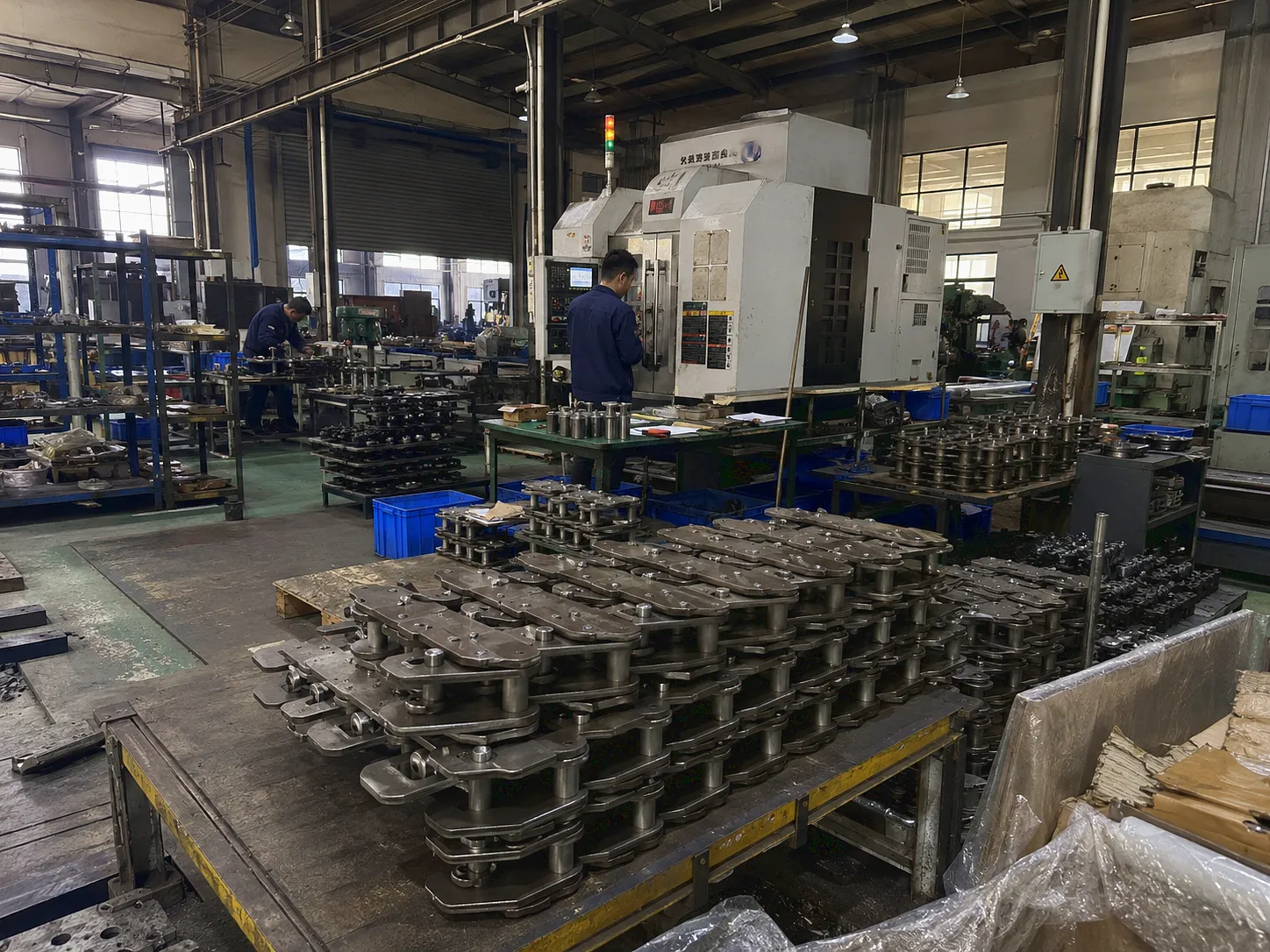
Our manufacturing facility operates a fleet of dedicated chain assembly lines supported by in-house heat treatment, surface finishing, and testing capabilities. The factory holds ISO 9001:2015 certification, with a dedicated quality assurance team that reports independently from production — a structural separation that reflects our commitment to impartial product verification before anything ships to a customer site.
What distinguishes our service from distribution-only suppliers is genuine custom manufacturing capability. We do not simply pull standard product off a shelf and relabel it. When a UK hoist manufacturer or plant hire company comes to us with a non-standard requirement, our engineering team designs the solution from the plate blank outward. Custom lacing configurations, non-standard pitches, extended pin lengths for wide-frame applications, special end fittings — these are standard conversations for our application engineers, not exceptional requests.
Our custom capabilities for cadeia de folhas include: modified end connector geometry to match specific hoist anchor designs; extended pitch tolerance for precision applications; stainless steel (304 or 316L) plate options for high-corrosion environments; custom paint or powder coating; laser-etched batch identification for traceability; and pre-assembled chain assemblies of specified length, ready to install without on-site cutting or joining. Minimum order quantities for custom configurations are kept deliberately low — we understand that UK engineering projects rarely run in the volumes that justify OEM minimum runs.
Ready to Discuss Your Leaf Chain Requirement?
Our application engineers respond within one business day. Drawings, specifications, and sample requests welcome.
How to Select the Right Leaf Chain Grade for Your Construction Hoist
Chain selection for a construction elevator is not simply a matter of matching the rated load to a catalogue tensile strength figure. Several additional factors govern the correct specification, and overlooking any of them can result in premature wear, an unnecessary safety margin that wastes budget, or — most importantly — a chain that is mechanically inappropriate for the dynamic loading patterns the hoist will experience in service.
Determine the working load limit (WLL). Start with the hoist manufacturer’s rated capacity for the specific configuration — single cage, twin cage, materials-only or personnel-rated. The leaf chain WLL must exceed this figure after the application safety factor has been applied. For personnel-carrying equipment under LOLER and EN 1522, a minimum safety factor of 4:1 is required; many specifiers use 5:1 for additional peace of mind on high-cycle projects.
Account for dynamic loading. Construction hoist chains experience dynamic amplification on every start and stop cycle. On high-speed hoists (greater than 60 m/min), the shock loading factor can reach 1.5 × the static load. This should be incorporated into the chain selection calculation, not assumed away. Ever Power’s application engineers can assist with dynamic load calculations for non-standard hoist configurations.
Match pitch to the existing sheave geometry. Changing chain pitch without corresponding changes to sheave diameter and groove profile will cause uneven load distribution and accelerated wear. If you are replacing chain on an existing hoist, match the pitch exactly. If you are specifying a new hoist, the sheave diameter should be a minimum of 25 × pin diameter for leaf chain in intermittent-use applications, and 32 × pin diameter for continuous high-cycle use.

Quick Selection Checklist
Leaf Chain vs. Wire Rope vs. Roller Chain: Which Is Right for Your Hoist?
This comparison is asked of our engineers regularly, particularly by hoist OEMs and plant companies evaluating new equipment designs. Each load path element has a legitimate application domain; the question is which characteristics best match the duty profile.
| Feature | Leaf Chain | Wire Rope | Roller Chain |
|---|---|---|---|
| Visual Wear Inspection | ✔ Easy (pitch elongation) | ✘ Requires core inspection | ✘ Internal bushing wear hidden |
| Fatigue Life (high cycle) | ✔ Excellent | ▲ Good but fretting risk | ✘ Not designed for this role |
| Compact Cross-Section | ✔ Flat profile, space-efficient | ▲ Requires drum space | ▲ Wider than leaf chain |
| LOLER Compliance Support | ✔ Simple periodic check | ▲ Requires specialist exam | ✘ Rarely specified |
| Corrosion Resistance (standard) | ▲ Good (zinc phosphate) | ✔ Very Good (galvanised) | ✘ Moderate |
| Power Transmission | ✘ Not designed for this | ✘ Not designed for this | ✔ Primary purpose |
| Custom Length / Assembly | ✔ Simple to cut and pin | ▲ Requires swaging equipment | ▲ Rivet tool required |
Serving Construction Hoist Operators Across England, Scotland & Wales
The UK construction sector is one of Europe’s most active markets for builder’s hoist and construction elevator equipment. The Housing Infrastructure Fund and regeneration schemes in London, Birmingham, Leeds, Bristol, and Manchester have driven sustained demand for site lifts capable of servicing 15–40 storey structures — precisely the duty cycle where leaf chain quality and supply reliability matter most. We hold stock at UK distribution partners to support next-day delivery for standard chain grades, and our manufacturing lead time for custom specifications is typically 10–15 working days for volumes under 500 metres.
Clients across Scotland — where offshore energy construction and distillery infrastructure projects are active — benefit from our ability to supply marine-grade stainless pin variants from stock. Construction activity in coastal cities including Aberdeen, Edinburgh Waterfront, and Cardiff Bay creates specific demand for corrosion-resistant leaf chain configurations that standard distribution channels rarely carry.
For plant hire companies operating across multiple UK regions, we offer framework agreements that lock in pricing, guarantee lead times, and provide pre-agreed documentation packages — eliminating the procurement friction that commonly delays hoist maintenance on time-critical construction programmes. Contact our UK accounts team to discuss a framework arrangement tailored to your fleet size and specification range.
🏙️ Manchester
🏙️ Birmingham
🏙️ Leeds
🏙️ Edinburgh
🏙️ Glasgow
🏙️ Bristol
🏴 Cardiff
🏙️ Sheffield
🏙️ Newcastle
Ever Power Leaf Chain — Product Gallery

Perguntas frequentes
Answers for plant engineers, procurement teams, and site managers across the UK construction sector
Get a Custom Quote from Ever Power — The UK’s Trusted Leaf Chain Supplier
Application engineering support, full LOLER documentation, fast UK delivery, and genuine custom manufacturing capability — all in one supplier relationship.
editado por gzl