
Ever Power Leaf Chain — Engineered for Agricultural Excellence
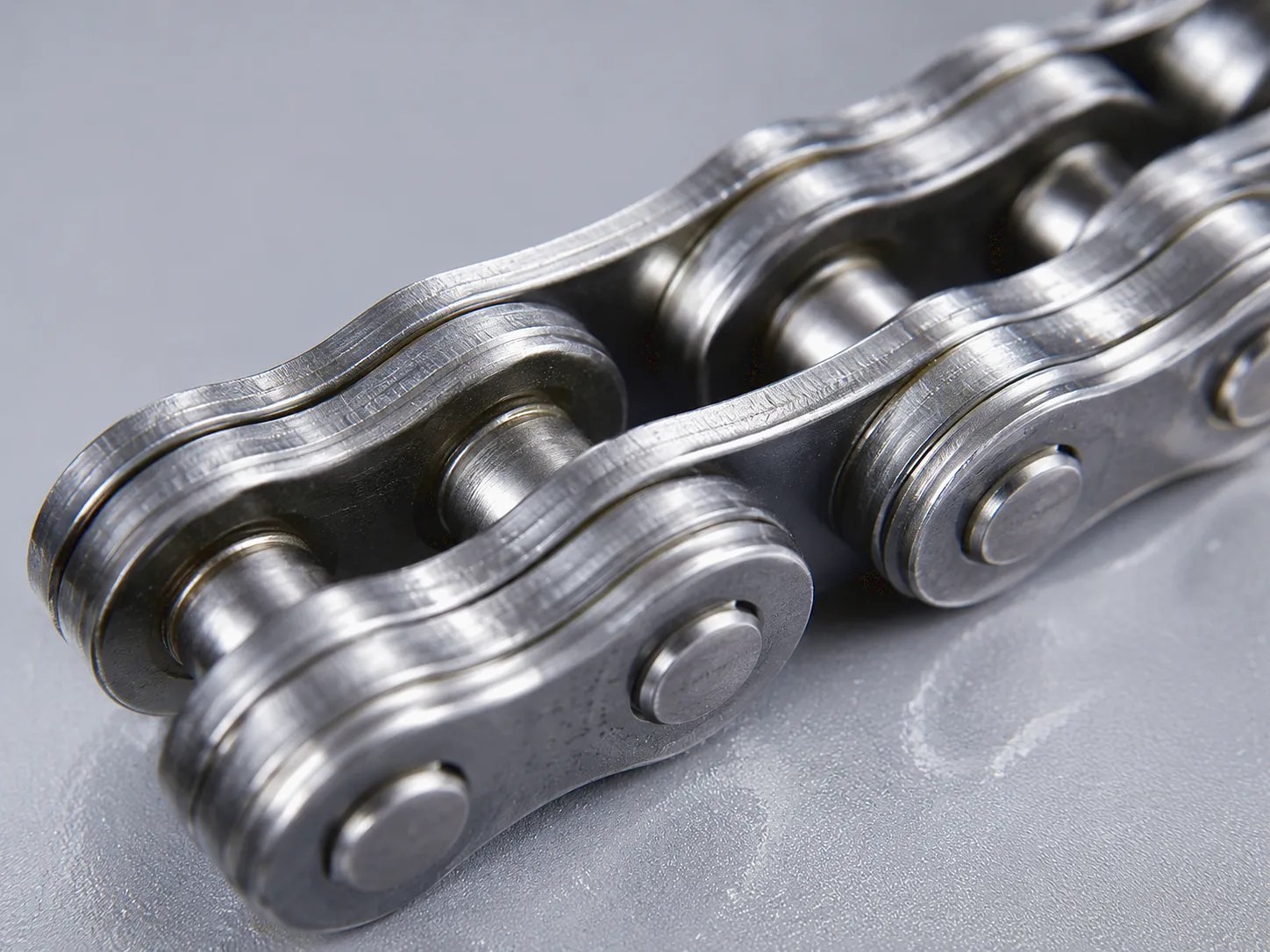 Ever Power supplies high-performance leaf chain specifically designed for demanding agricultural applications, including corn harvesters operating in UK and European field conditions. With over 18 years of engineering expertise, we manufacture to ISO, DIN, and ANSI standards — offering both stock and fully custom-specification solutions for OEM and replacement requirements.
Why Leaf Chain Is Non-Negotiable in Corn Harvesting Equipment
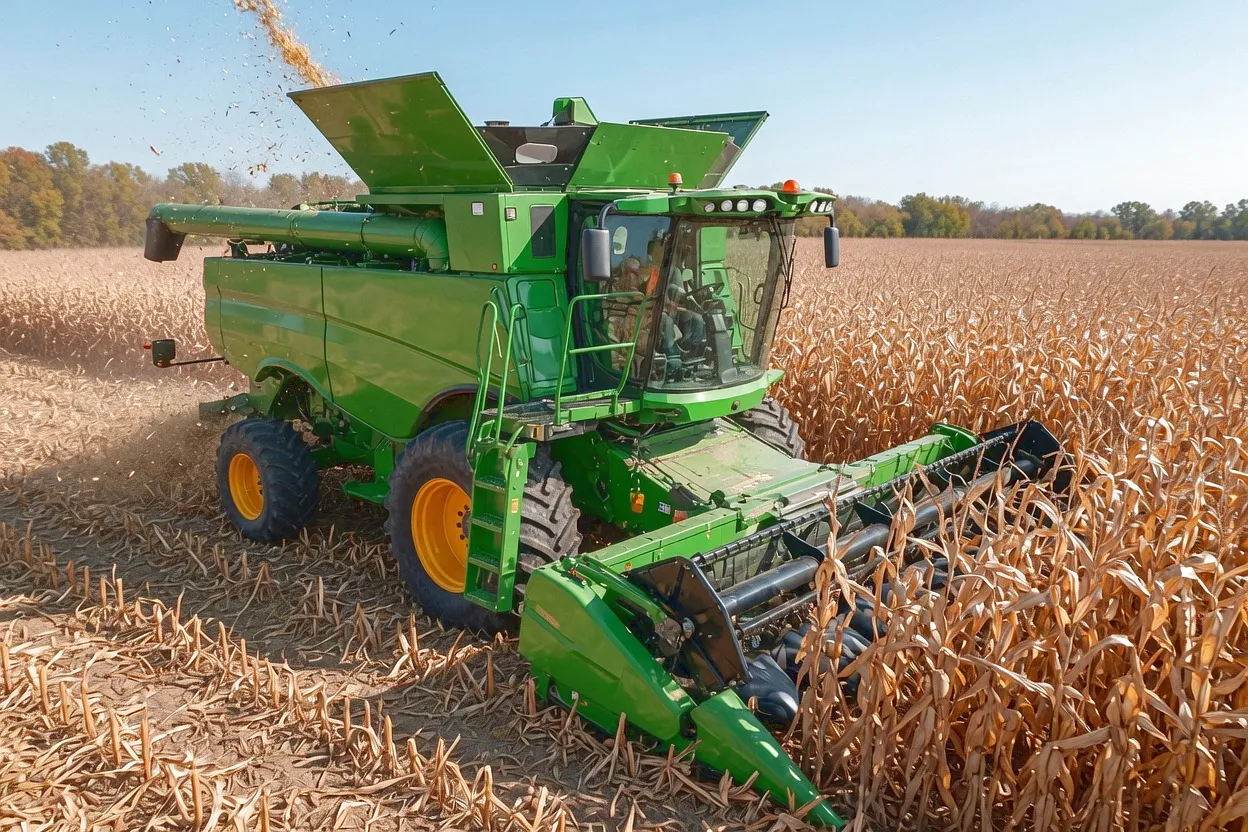
Corn harvesting is among the most mechanically demanding operations in modern agriculture. The combination of high-torque conveying systems, heavy stalk loads, constant vibration, and abrasive grain dust creates a punishing environment for any mechanical drive component. Standard roller chain systems frequently fail in these conditions — but a properly specified leaf chain for corn harvester applications delivers the load capacity, fatigue resistance, and service life that keeps machines running through an entire harvest season without interruption.
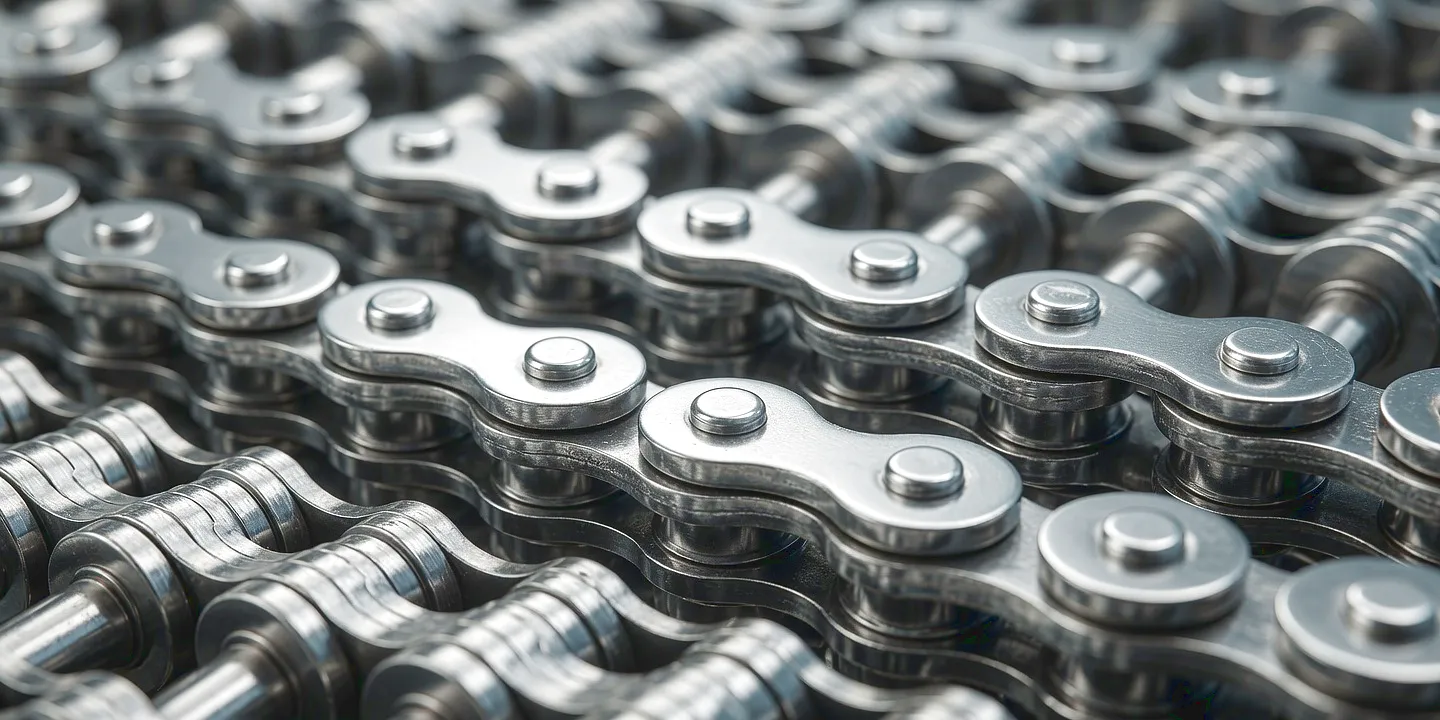
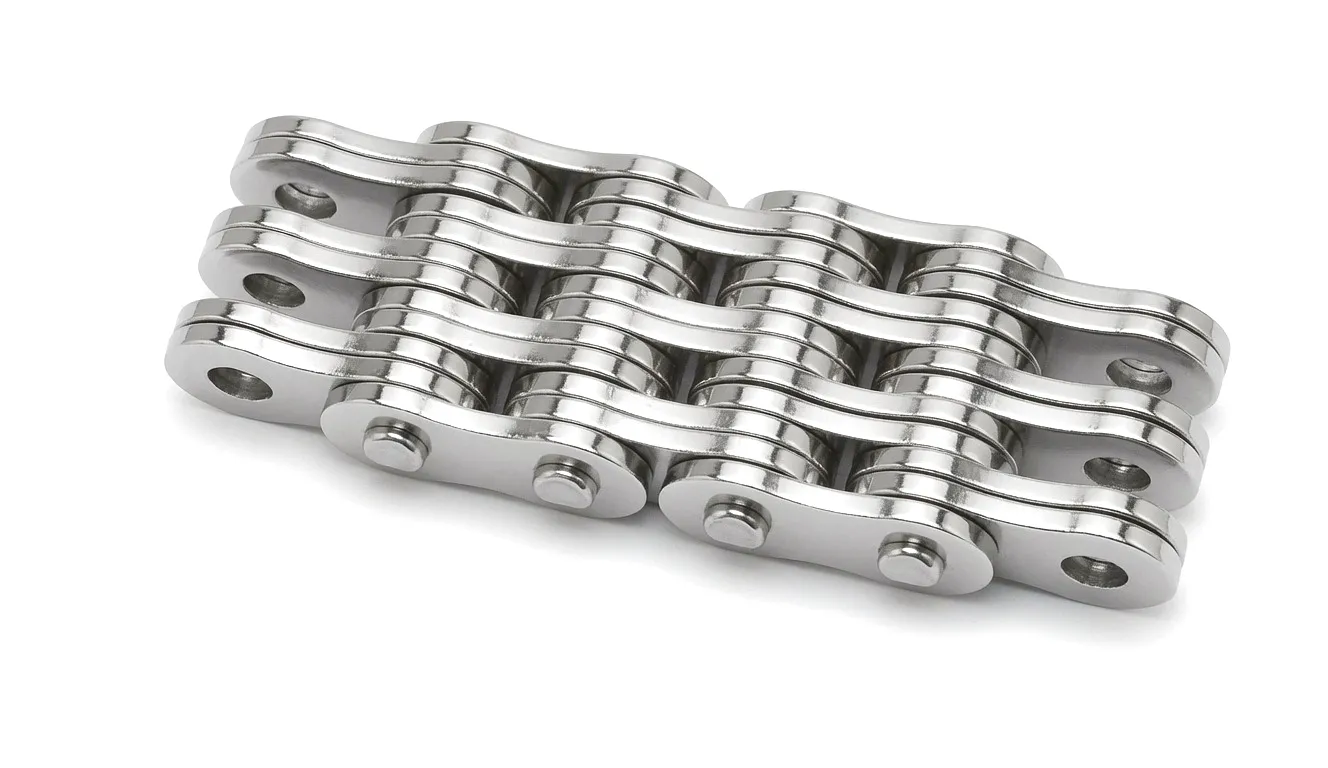
Unlike roller chains, leaf chains (also referred to as balance chains or BL series chains) are constructed without rollers, using a compact arrangement of interlocked steel plates pinned together. This design maximises tensile strength in a compact cross-section and eliminates the roller-related failure modes that are common when chains are subjected to shock loading and contaminated environments. For OEM corn harvester manufacturers in the UK, Germany, France, and across continental Europe, leaf chain has become the standard solution for elevator conveyors, header drives, and gathering chain systems where reliability is paramount.
There is also an economic argument. Replacement downtime during harvest season can cost UK arable farmers thousands of pounds per day in lost output, contractor fees, and weather risk. Investing in a correctly engineered leaf chain — ideally with custom pitch, break load, and surface treatment specified to match the exact machine model — represents a fraction of the potential downtime cost while delivering multi-season service life when properly maintained.
What Exactly Is a Leaf Chain — and How Does It Work?
Understanding the engineering principles behind this agricultural workhorse
All-Plate Construction
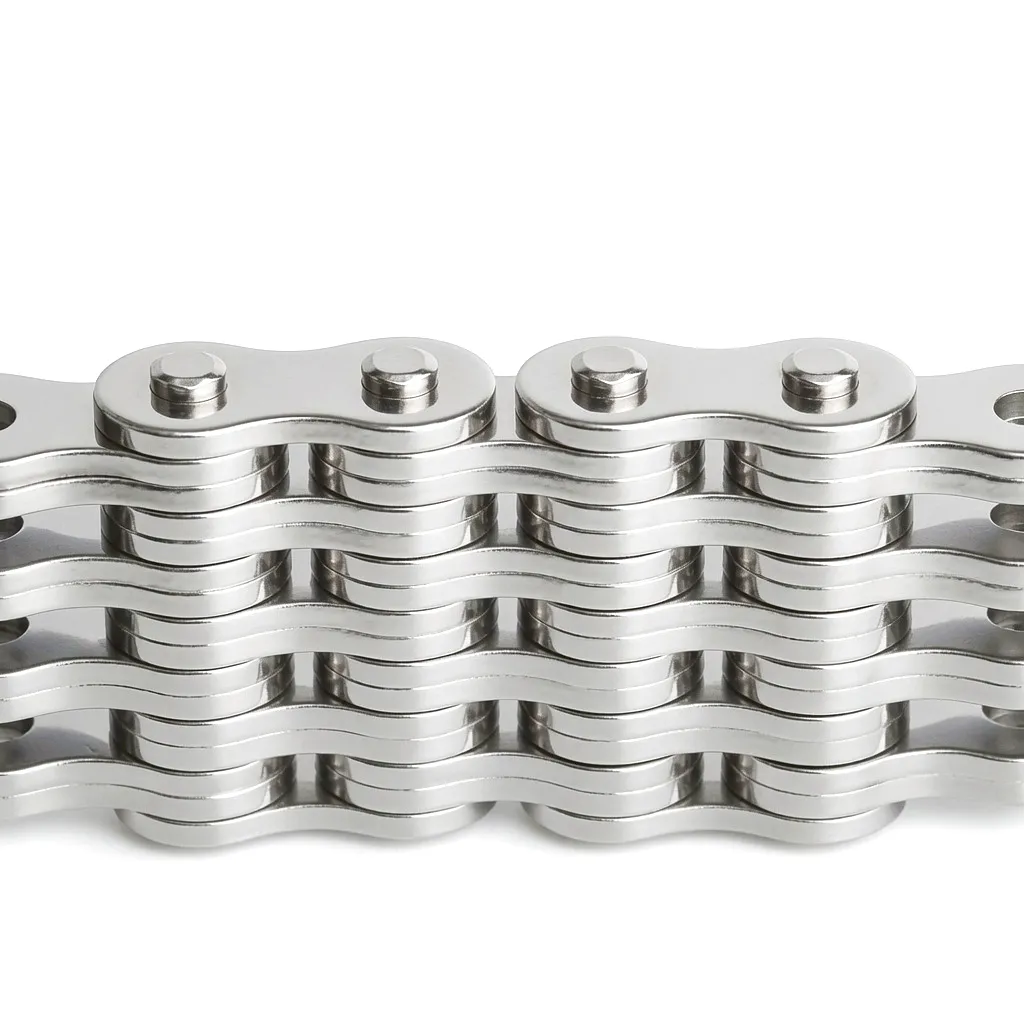
Leaf chain comprises multiple layers of flat steel link plates assembled alternately, connected by precision hardened pins. The absence of rollers removes a common failure point and increases the load-bearing cross-section per unit of pitch length. This is particularly advantageous in corn harvester elevator applications where static and dynamic loads alternate rapidly.
Pin-Joint Flexibility
Each pin joint provides controlled articulation as the chain engages and disengages sprocket teeth. In corn harvesting drivetrains, this flexibility absorbs the micro-shock loads produced when ears or stalks enter gathering mechanisms at irregular intervals. The result is a dramatic reduction in peak stress concentration compared to more rigid transmission elements.
High Fatigue Resistance
Agricultural chain systems cycle millions of times per season. Leaf chains manufactured to ISO 4347 are subjected to fatigue testing to ensure they sustain repeated cyclic loading without progressive plate cracking. Case-hardened link plates with smooth edges further reduce stress risers that initiate fatigue fractures, making them far more durable in the continuous operation that corn harvesting demands.
Material Composition & Manufacturing Standards
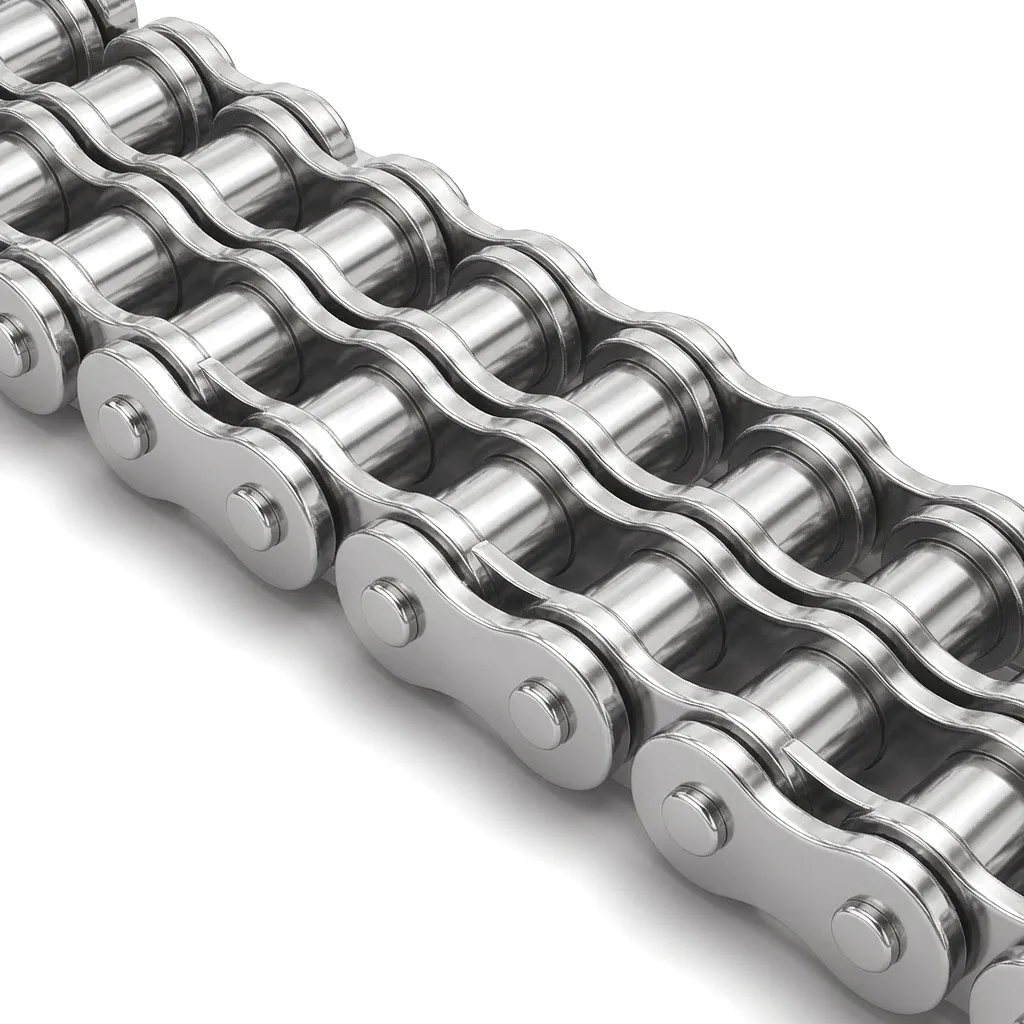
The performance of any leaf chain for corn harvester applications starts with raw material quality. Ever Power uses alloy steel grades equivalent to 40Cr, 20MnCr5, or similar high-strength materials across the full product range. Link plates are cold-punched to tight tolerances, then heat-treated to achieve a core hardness that resists permanent deformation under high static loads while maintaining sufficient toughness to resist brittle fracture under impact.
Pin components receive case-hardening treatment — typically carburising followed by quench hardening — to create a wear-resistant surface while the core retains its shear strength. The pin-plate fit is controlled to exacting clearances: too tight causes binding in dirty conditions, too loose accelerates wear. In agricultural environments, this dimensional precision directly determines how long the chain maintains its rated pitch before elongation causes misalignment.
Surface treatment options include standard zinc phosphate with oil, nickel plating for moisture-exposed applications, and shot-peening of link plates to introduce compressive residual stress that doubles fatigue life in high-cycle duty. For UK agricultural customers facing humid autumn harvest conditions, we recommend consulting our applications engineers about the most appropriate surface protection package.
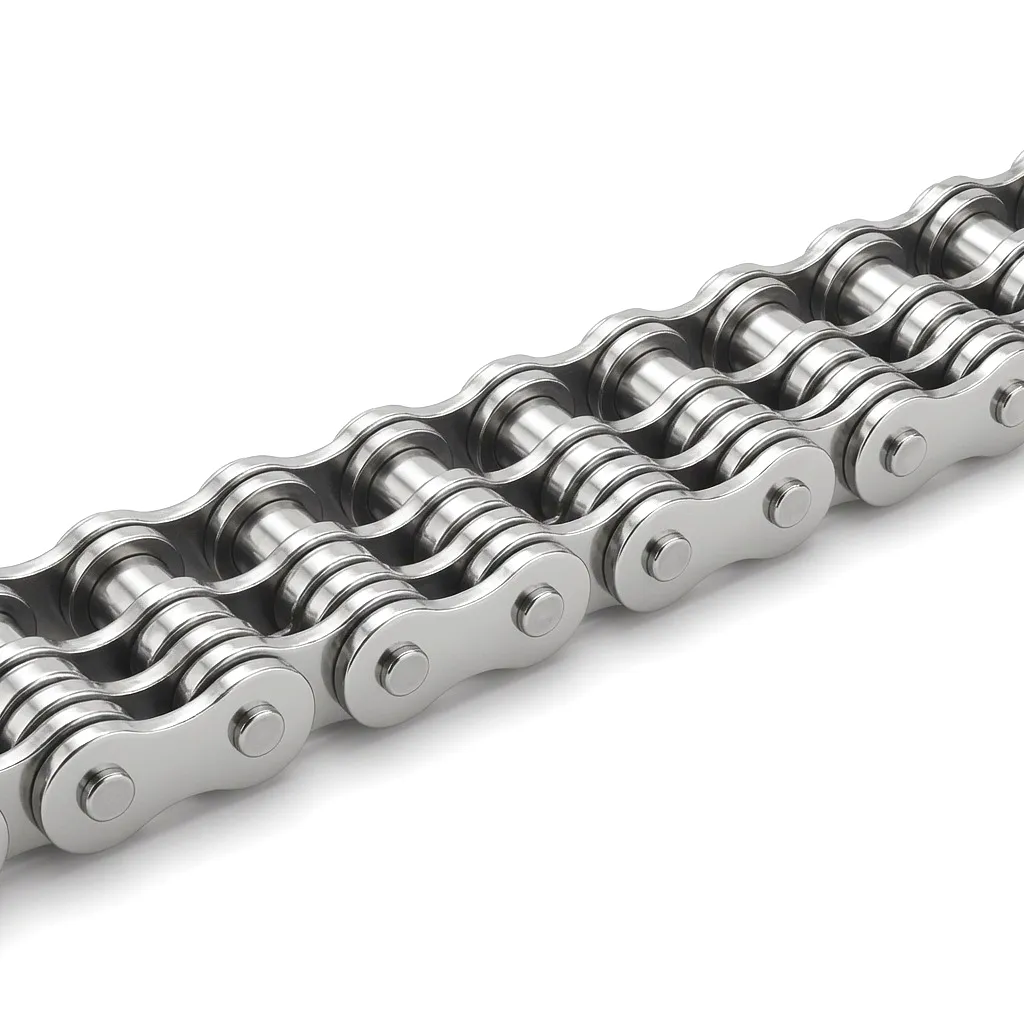
100% tensile testing on production batches
CMM dimensional verification
Traceability documentation available
Technical Performance Parameters
Standard BL series leaf chain specifications for agricultural drive applications
*Values shown are nominal. Actual break load and dimensional tolerances per ISO 4347 / DIN 8152. Contact Ever Power for full technical data sheets and custom specifications.
Where Leaf Chain Works Inside a Corn Harvester
Six critical drivetrain positions where specification decisions directly affect harvest reliability


Row Unit Gathering Chains
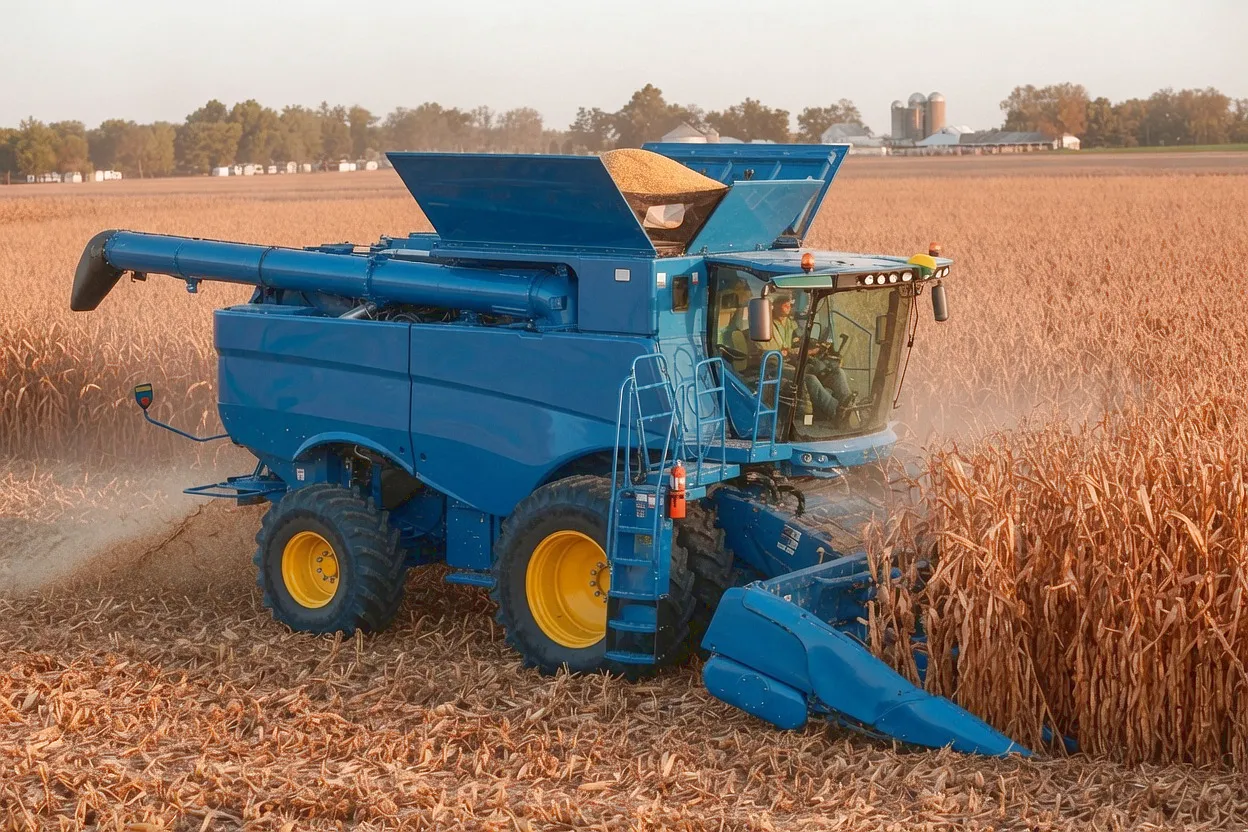
The gathering units at the front of any corn header run continuously at high speed to draw stalks into the snapping rolls. These chains face a barrage of impact from stalks entering at angles, lodging debris, and intermittent stone strikes. Leaf chains in this position typically operate at speeds of 2–4 m/s and must tolerate significant lateral deflection without losing pitch accuracy. BL 446 and BL 534 grade chains are widely used here, with pre-stretching treatment available to reduce initial elongation during break-in period on new machines.
Feeder House Elevator Drive
The feeder house carries the entire crop flow from the header into the threshing cylinder. Load peaks occur when dense crop mats enter the mechanism, and the chain must absorb these surges without catastrophic fatigue failure. In self-propelled corn harvesters of 8–14 row capacity — common on UK arable farms — the feeder elevator leaf chain may carry loads exceeding 20 kN during dense crop conditions. This is where the high break load and fatigue resistance of a quality BL 534 or BL 546 leaf chain makes a quantifiable difference to machine availability.
Threshing Cylinder / Rotor Drive
Rotary threshing cylinders or axial rotors demand continuous high-torque input. While primary drive is often via V-belt or gearbox in many designs, the secondary chain drives feeding separator housings and concave-adjust mechanisms rely on leaf chain. Given that rotor speeds can reach 1,200 rpm or higher in aggressive threshing modes, chain fatigue life is a critical parameter. Proper lubrication — ideally with an automatic chain oiler — extends service intervals in this dusty, high-temperature zone significantly.
Grain Elevator to Tank
Clean grain collected beneath the separation section travels upward via a clean grain elevator to the storage tank. This vertical elevator uses paddle-equipped chains running in enclosed housings — a classic application for leaf chain given the need for high tensile load capacity in a compact profile. The chain must accommodate the weight of both paddles and grain column while resisting abrasion from the grain itself. Surface-hardened, oil-lubricated BL series chains with extended pitch are the standard specification.
Returns Conveyor / MOG Handling
Material other than grain (MOG) — stalks, husks, cob fragments — must be continuously removed from the separation zone and redistributed or ejected. These conveyors use leaf chain at lower load levels than elevator positions but with significantly higher contamination exposure. Chain pitch elongation in these systems affects MOG distribution uniformity. For corn harvesters operating in wet UK autumn conditions, stainless-pin variants or nickel-plated leaf chains offer meaningfully improved corrosion resistance.
Header Height Control Linkage
Many corn header float and height adjustment mechanisms use short leaf chain lengths to connect hydraulic actuators to the header pivot points. Though not continuously cycled, these chains must hold header weight under static load and respond quickly under dynamic conditions. Stretch in these positions directly affects cutting height accuracy, which has a direct bearing on grain loss and fuel consumption. Specifying high-quality, pre-stretched leaf chain in header linkages is an investment in harvest efficiency that is easy to overlook but difficult to correct mid-season.
Why Specifiers Choose Ever Power Leaf Chain
Eight performance advantages validated across thousands of agricultural installations
High Tensile Strength
Break loads from 13.8 kN to over 120 kN in heavy-duty grades, providing substantial safety margins in peak load scenarios typical of corn harvesting.
Excellent Fatigue Life
Shot-peened plates and controlled heat treatment deliver fatigue life 2× that of standard commodity chains, critical in million-cycle agricultural drive systems.
Corrosion Resistance Options
Multiple surface treatment options including zinc phosphate, nickel plating, and stainless pin variants for UK’s typically wet autumn harvest conditions.
Pitch Accuracy
Tight dimensional control ensures correct sprocket engagement from day one, reducing noise, vibration, and premature sprocket wear in both OEM and replacement applications.
Custom Configuration
Non-standard pitches, attachment link profiles, and length-to-order manufacturing available. Ideal for OEM manufacturers needing unique specifications not covered by standard BL ranges.
Fast UK Dispatch
Stock items available for rapid dispatch to UK agricultural dealers, farm workshops, and machinery dealers across England, Scotland, and Wales — minimising harvest downtime.
Full Technical Documentation
Dimensional drawings, material certificates, test reports, and FMEA data available on request. Supports UK agricultural OEM qualification and procurement audit requirements.
Competitive Pricing
Direct manufacturer supply chain eliminates distributor mark-ups. Volume pricing available for dealers, OEM accounts, and agricultural machinery parts wholesalers.
How to Select the Right Leaf Chain for Your Corn Harvester Model
Chain selection for corn harvester applications requires more than matching a pitch dimension from an OEM parts catalogue. The correct approach starts with a clear understanding of the operating load — including both the nominal running load and the realistic peak load that occurs during slug feeding, blockage clearing, or hard soil impact through the header. A chain sized only to the nominal load will experience fatigue in its link plates long before it reaches its theoretical tensile break load, and the failure will appear unexpectedly in the middle of a run when crop conditions are most demanding.
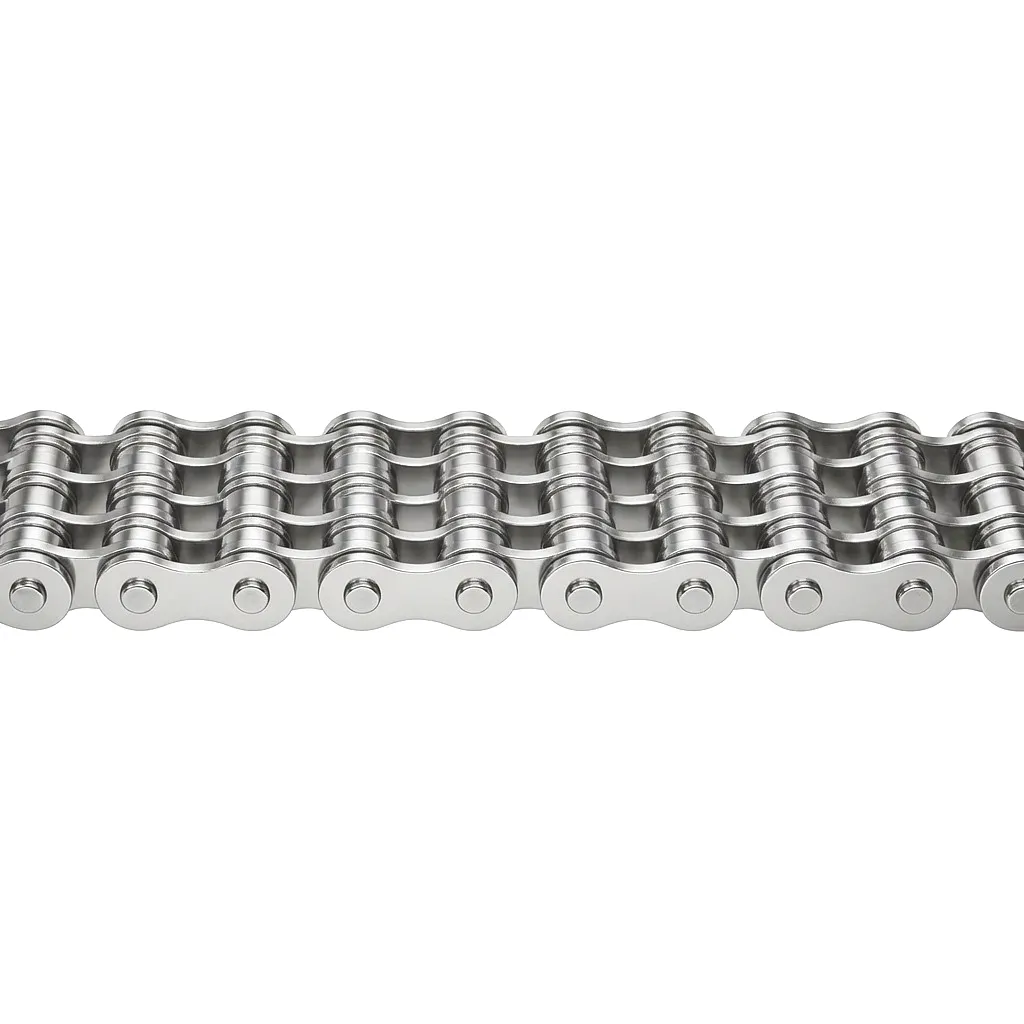
The first step is to confirm the pitch from the existing chain or the OEM technical manual. Leaf chains for agricultural applications most commonly run in 12.70 mm (1/2″), 15.875 mm (5/8″), and 19.05 mm (3/4″) pitches, corresponding to the ANSI BL 4xx, 5xx, and 6xx series respectively. After pitch, the lacing number determines load capacity — a BL 446 has six plate laminations per side versus four for a BL 422, giving substantially higher tensile and fatigue ratings for the same pitch. If the machine has been experiencing premature chain failures, specifying the next lacing grade up is often the most cost-effective reliability intervention available.
Finally, consider the lubrication strategy. An enclosed elevator running in grain dust requires a different approach to an exposed header gathering chain. For closed housings, oil-bath or forced drip lubrication is ideal. For open-position chains, Ever Power’s pre-lubricated and sealed-pin options significantly extend re-lubrication intervals — a practical benefit in UK agricultural environments where daily chain lubrication during harvest is rarely achievable in practice.
| Selection Factor | Low Priority | Medium Priority | High Priority |
|---|---|---|---|
| Peak load ratio | < 1.5× nominal | 1.5–2.5× nominal | > 2.5× nominal |
| Environment | Clean, enclosed | Moderate dust | Wet + abrasive |
| Lubrication access | Auto-oiler fitted | Weekly manual | No access during season |
| Failure consequence | Minor delay | Half-day downtime | Season-critical |
Ever Power Manufacturing Capability
Where industrial-grade manufacturing meets tailored agricultural engineering
Custom Product Specification Service
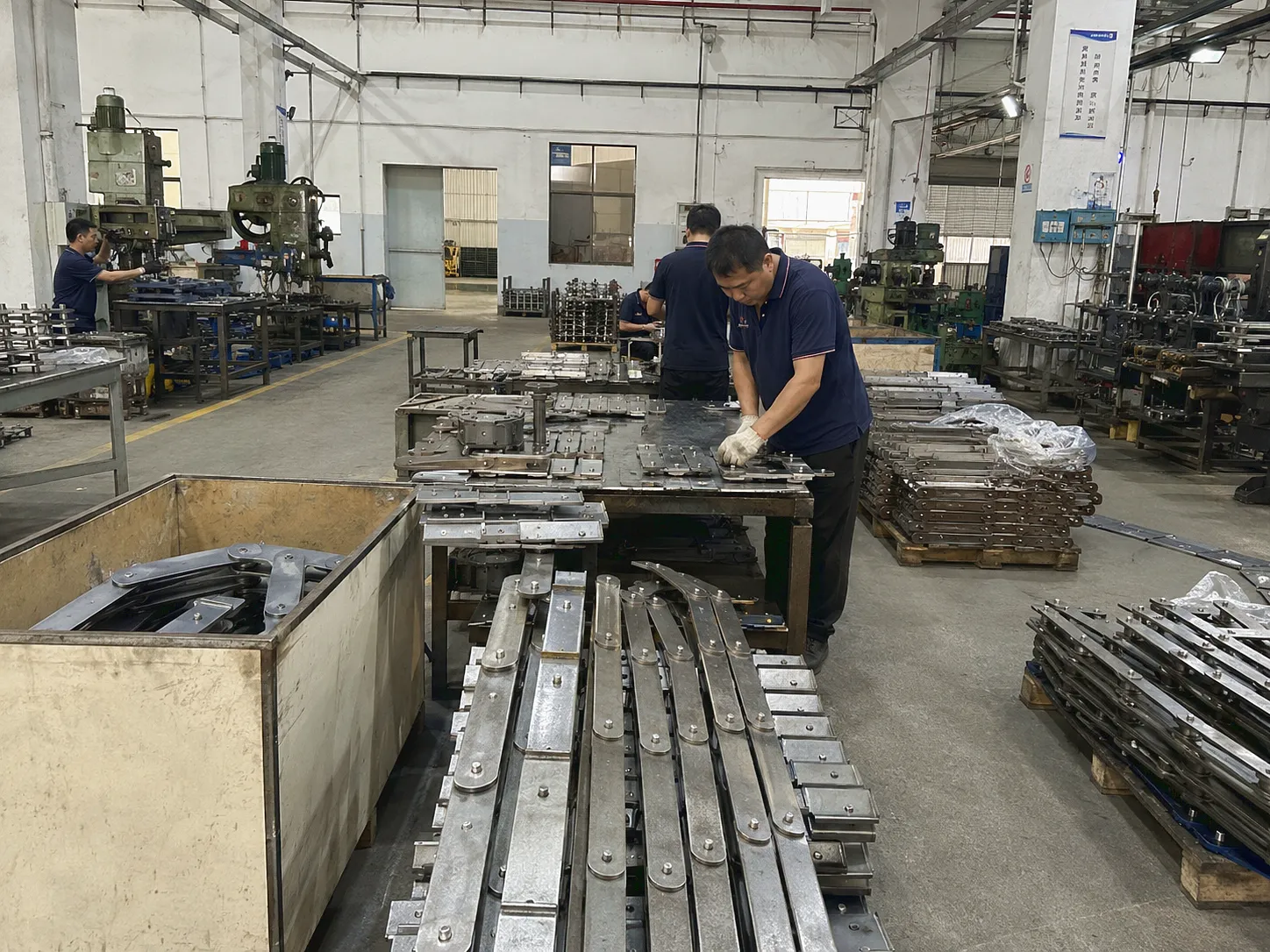 Ever Power’s engineering team works directly with OEM corn harvester manufacturers, agricultural machinery dealers, and large arable farming operations across the UK to specify, prototype, and supply leaf chains that go beyond standard catalogue dimensions. Our custom design service covers non-standard pitch combinations, extended inner-plate widths for higher load capacity within a given pitch envelope, special attachment link forms for paddle elevator systems, and decorative or surface treatment modifications for specific operating environments.
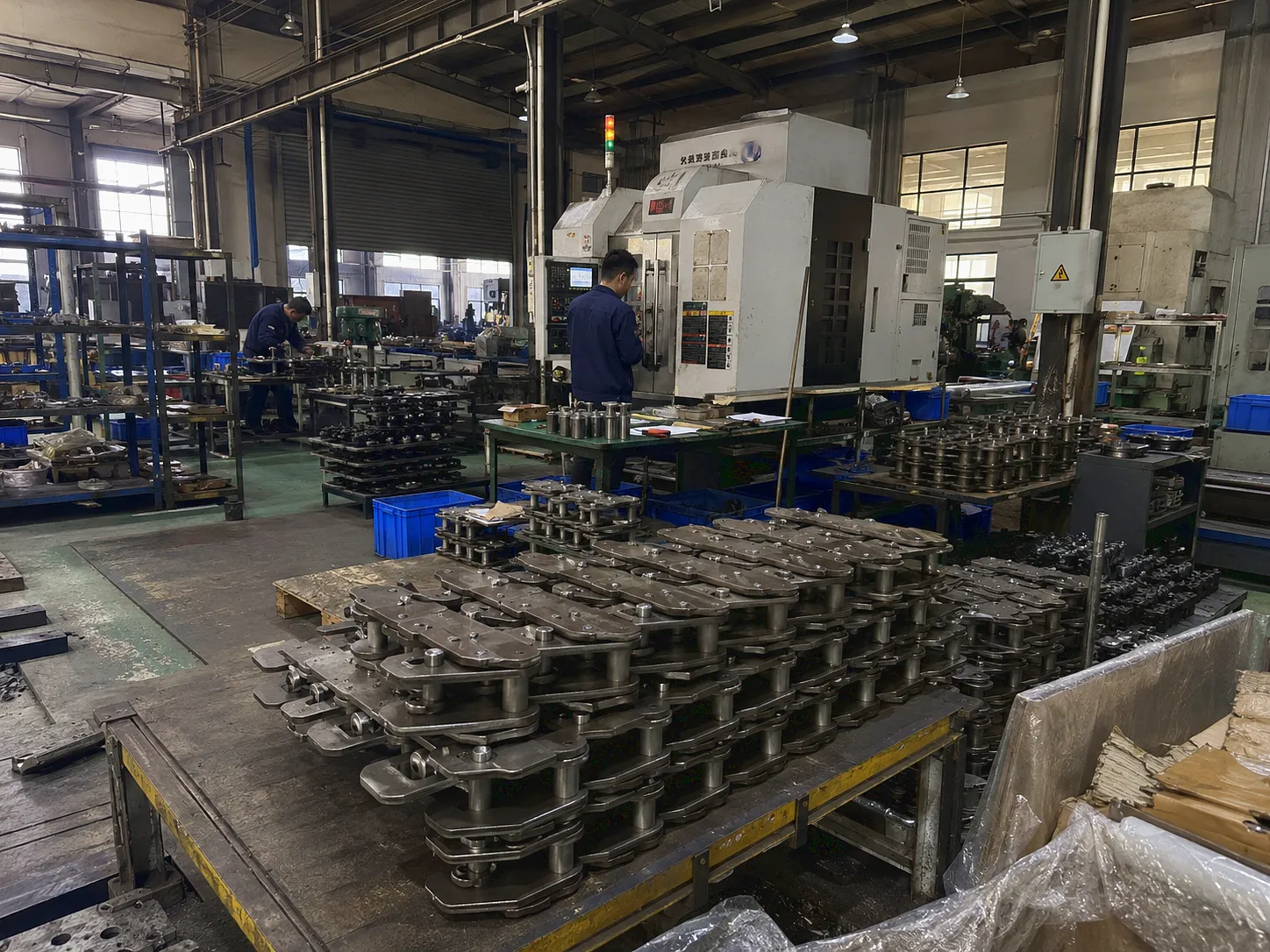
For UK agricultural OEM customers, we offer formal new-product development support including FMEA review, prototype supply, fatigue test witnessing, and production approval documentation. Our factory runs CNC-controlled punching, precision pressing, and automated assembly lines with 100% tensile verification on production batches. This process capability means that a custom leaf chain specification ordered today enters an established quality system, not a manual workshop environment.
Minimum order quantities for custom items are negotiated case by case. Long-run seasonal supply agreements are available with fixed pricing and priority scheduling to ensure parts arrive before harvest begins — a critical advantage when lead times from other suppliers stretch into weeks during peak demand periods.
Maintenance, Lubrication, and Inspection During Corn Harvest Season
Even the highest-quality cadeia de folhas will underperform if the maintenance regime is inadequate. In UK corn harvesting conditions — where operations often continue through October with morning mist, afternoon heat, and constant grain dust — lubricant displacement is an ongoing challenge. Chain oil applied at the start of a shift can be largely displaced from the pin-plate interface within a few hours of continuous operation in dusty conditions.
The most reliable approach is to use a tacky, high-viscosity chain oil that adheres to metal surfaces under centrifugal force — rather than light penetrating oils that migrate quickly. Automatic chain oilers, particularly on high-duty positions like feeder elevators and grain elevator drives, eliminate human error from the maintenance routine entirely and are a worthwhile investment in any machine that runs more than two seasons per year.
Chain elongation should be checked at the pre-season service and at mid-harvest where possible. The elongation limit for most BL series agricultural chains is 2–3% of a given reference length before replacement is required. A chain that has elongated beyond this point will not engage sprocket tooth profiles correctly, causing accelerated sprocket wear, noise, and eventual catastrophic skipping or derailment. Simple elongation measurement tools are available from chain suppliers at minimal cost.
🔍 Pre-Season Checklist
- Check chain elongation against OEM spec
- Inspect plates for fatigue cracks or deformation
- Check pin protrusion and rivet condition
- Verify sprocket tooth profile — replace worn sprockets
- Apply fresh chain lubricant throughout
- Check tensioner condition and travel range
⚠️ Replacement Triggers
- Elongation > 2% (standard), > 3% (max limit)
- Any visible plate crack or deformation
- Pin corrosion visible through plate bore
- Binding or stiff joints at any link
- Excessive noise or vibration on sprocket engagement
- Sprocket-to-chain clearance visibly increased
Leaf Chain for Corn Harvesters Across the UK
Supporting British arable farming operations from East Anglia to the Vale of York

East Anglia & Lincolnshire
The UK’s largest arable production zones, where large-capacity self-propelled corn harvesters run intensive autumn campaigns. Heavy throughput machines place maximum demand on leaf chain systems, making specification quality and supply reliability critical.
Yorkshire & Midlands
Mixed arable and contract farming operations across the East Midlands and Yorkshire Wolds increasingly grow grain maize for both biogas and milling markets. Harvester fleets here often include both trailed choppers and self-propelled combining units with different leaf chain requirements.
Scotland & Northern England
Higher-moisture conditions and shorter harvest windows make reliability even more important in these regions. Replacement supply to Scottish agricultural dealers must be fast — Ever Power maintains stock of key BL series grades for rapid dispatch to support harvesting operations north of the border.
Wales & West Country
Forage maize and whole-crop silage harvesting across Wales and the South West operates in some of the UK’s most challenging field conditions. Steep gradients, heavy clay soils, and wet seasons create elevated stress on all drivetrain components, making leaf chain quality a differentiating factor in contractor profitability.
Customer Success Case Study
A real-world look at how specification improvement delivered measurable results
Reducing In-Season Feeder Elevator Failures by 78%

Background: Hofmann Agrartechnik GmbH, a mid-sized German agricultural machinery manufacturer based in Bavaria, produces a 12-row self-propelled corn harvester aimed at large-scale arable operations. During the 2022 and 2023 harvest seasons, their service records showed an elevated rate of feeder elevator leaf chain failures — particularly in markets operating in high-throughput conditions above 30 tonnes per hour. Customers in Poland, the UK, and the Czech Republic reported broken chains causing day-long stoppages during peak harvest windows, with replacement cost and contractor lost earnings creating significant reputational pressure on the manufacturer.
Challenge: The original chain specification used a BL 534 grade sourced from a low-cost supplier. Metallurgical analysis of failed samples revealed inconsistent plate hardness — some plates were undercase-hardened, creating fatigue initiation sites at punch holes. The chain’s listed break load matched the specification on paper, but batch-to-batch consistency was insufficient for the fatigue-dominated loading regime of the feeder elevator during dense-crop slug feeding events.
Solution: The Hofmann engineering team contacted Ever Power following a recommendation from a UK dealer. Ever Power supplied sample BL 546 chains (one grade higher in lacing) with shot-peened plates and documented heat treatment certificates. These were fitted to 15 machines operating across the UK and Poland for the 2024 season under controlled evaluation conditions.
Outcome: Based on the evaluation results, Hofmann Agrartechnik transitioned their full production run to Ever Power BL 546 supply for the 2025 model year. The total cost increase per machine was approximately £38 over the previous supply price — less than 0.1% of machine value — while the reduction in warranty and goodwill claims generated estimated savings of £6,200 per season across the fleet. Hofmann’s UK dealer network specifically highlighted the improvement in customer retention driven by the reduction in harvest-season downtime incidents.
What Our Customers Say
“We run four Claas Jaguar maize chopper headers across our Lincolnshire contracting operation and we’ve switched every gathering chain position to Ever Power BL 446. The previous chains from our old supplier were lasting one and a half seasons at best. We’re now approaching our third season on the same chains with only routine lubrication. The lead time and technical support from the sales team have been equally impressive.”
“As a machinery parts dealer serving the Yorkshire Wolds area, I need suppliers who can deliver quickly and reliably. Ever Power has never let me down. The BL 534 and BL 546 chains for John Deere and Case corn harvester applications are always in stock, and the technical documentation they provide makes it easy to confirm the right specification for each machine model. Our farmer customers notice the quality difference.”
“We source replacement leaf chains for Fendt Katana and CLAAS Jaguar forage harvesters across South Wales and we’ve been working with Ever Power for four years. Their custom-length service has been invaluable — we’ve had chains made to specific lengths that aren’t available from any catalogue. The price is genuinely competitive for the quality level, and the repeat order process is straightforward. Recommended without reservation.”
Perguntas frequentes
Real questions from UK arable farmers, machinery dealers, and OEM engineers
Ready to Specify the Right Leaf Chain for Your Corn Harvester?
Talk to our UK-experienced applications engineers. Tell us your machine model, application position, and throughput — we’ll recommend the correct specification and provide a competitive price within one working day.
DIN 8152
Custom Fabrication
UK Stock Available